Xaghra vs Zejtun
Side-by-side comparison of property prices, lifestyle, and practical info to help you choose the right area.
Summary
Xaghra is better for tourists and culture lovers seeking coastal living, while Żejtun wins for families wanting affordable urban property with excellent mainland connections. Xaghra sits on a Gozo hilltop above Ramla Beach (rated 10/10) beside the 5,500-year-old Ġgantija Temples, with a small community of 4,900 residents and high safety (9/10). Reaching Valletta takes 90+ minutes including the ferry crossing, making it impractical for commuters. Żejtun, with 11,800 residents, offers strong family suitability (8/10), affordable property among the lowest in urban Malta, and a 10-minute drive to the airport via excellent road connections.
Xaghra suits buyers prioritising beach access, history, and village tranquillity — though winter amenities are limited and nightlife rates just 2/10. Żejtun suits families and budget-conscious buyers who value authentic community traditions, local schools, and baroque architecture over coastal proximity. Żejtun's beach rating is only 5/10, and its nightlife (3/10) is similarly quiet. Bus routes 81, 82, and 85 connect Żejtun to Valletta in 25–30 minutes, while Xaghra relies on Gozo route 302 to Victoria.
Living in Xaghra
Xaghra (pronounced 'shara') is a hilltop village in northern Gozo that sits above two of the island's most remarkable attractions: Ggantija Temples — the oldest freestanding stone structures in the world, built 1,000 years before the Egyptian pyramids — and Ramla l-Hamra, Gozo's sweep of red-gold sand that's widely considered the best beach in the Maltese islands. The village itself is a pleasant, sleepy Gozitan settlement with a large central square, a parish church, and a few cafes. Ggantija — meaning 'giant's tower' — dominates the local identity. Legend holds that the temples were built by a giantess who carried the massive stone blocks on her head while nursing a baby. The reality is arguably more impressive: a society sophisticated enough to carve and position 50-tonne limestone blocks 5,500 years ago. Property in Xaghra offers a rare combination — village living with direct access to Gozo's best beach. Prices are moderate by Gozo standards, and the village has enough year-round residents to maintain basic amenities. It's quiet in winter and busy in summer, with the beach drawing day-trippers from across Malta.
Highlights
- Ggantija Temples — oldest freestanding structures on Earth
- Ramla l-Hamra — Gozo's best sandy beach
- 5,500-year-old history beneath a quiet village
- Calypso's Cave — legendary home of Homer's nymph
- Moderate property prices with beach access
Living in Zejtun
Zejtun is a substantial southern town that takes its name from the Maltese word for olive oil — zejt — a reminder that this area was once covered in olive groves supplying oil across the Mediterranean. The town is one of Malta's largest and has a distinctly southern identity, with strong festa traditions, a sprawling residential area, and a historic core that's among the best-preserved in the south. The old centre clusters around the impressive parish church of St. Catherine, a baroque building with one of the finest church facades in Malta. The surrounding streets contain substantial townhouses with enclosed courtyards, some dating back to the Knights' period. The village of Birzebbuga, Hal Far industrial estate, and the Freeport all sit within Zejtun's broader boundaries. Property in Zejtun is very affordable — among the lowest prices in urbanised Malta. The town has all essential amenities and good road connections, but public transport to Valletta takes 25–30 minutes and the tourist appeal is minimal. It's a practical choice for local buyers and budget-conscious investors.
Highlights
- Named after centuries of olive oil production
- One of Malta's finest baroque church facades
- Among the most affordable property in urban Malta
- Strong festa and community traditions
- Good road connections to the south and harbour area
Lifestyle Comparison
Which Area Is Right For You?
Choose Xaghra
Xaghra comes out ahead in dining, safety, beaches .
Choose Zejtun
Zejtun comes out ahead in nightlife, transport .
Frequently Asked Questions
Available Properties
Xaghra (7 listings)
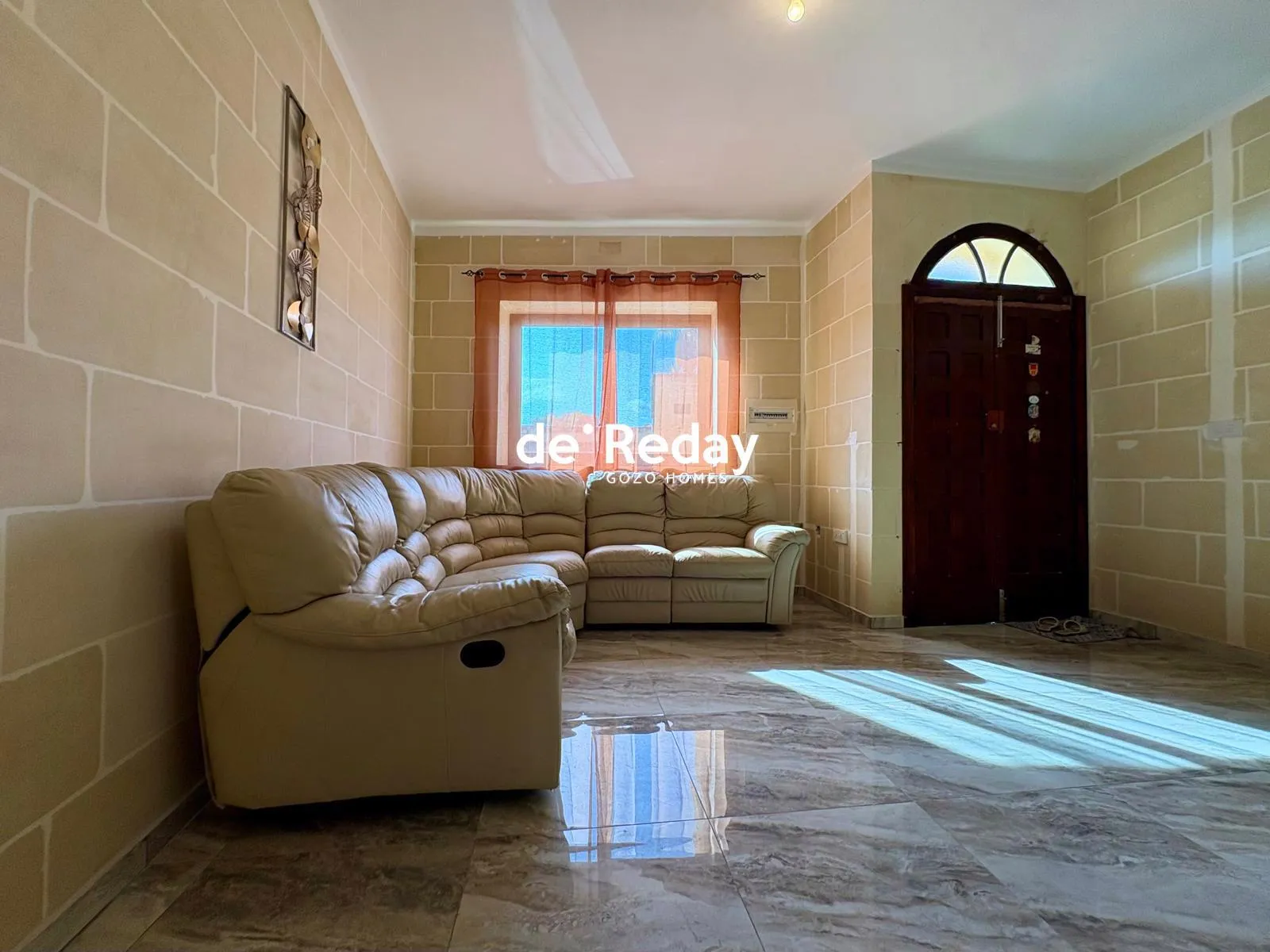
Brand New 3 Bedroom Maisonette
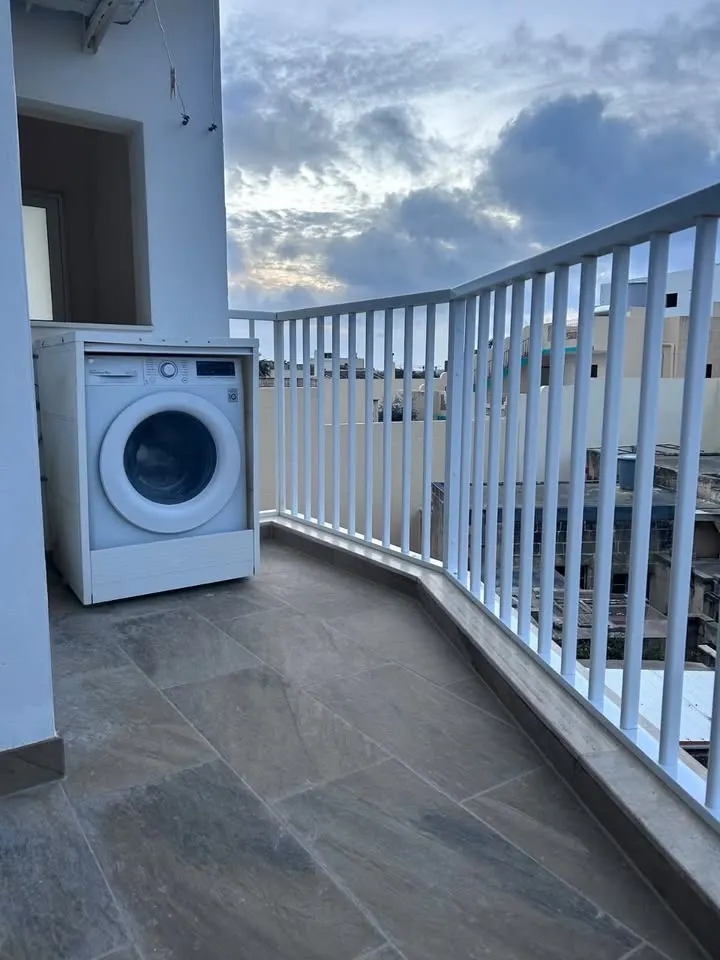
LUXURY 3-BEDROOM APARTMENT
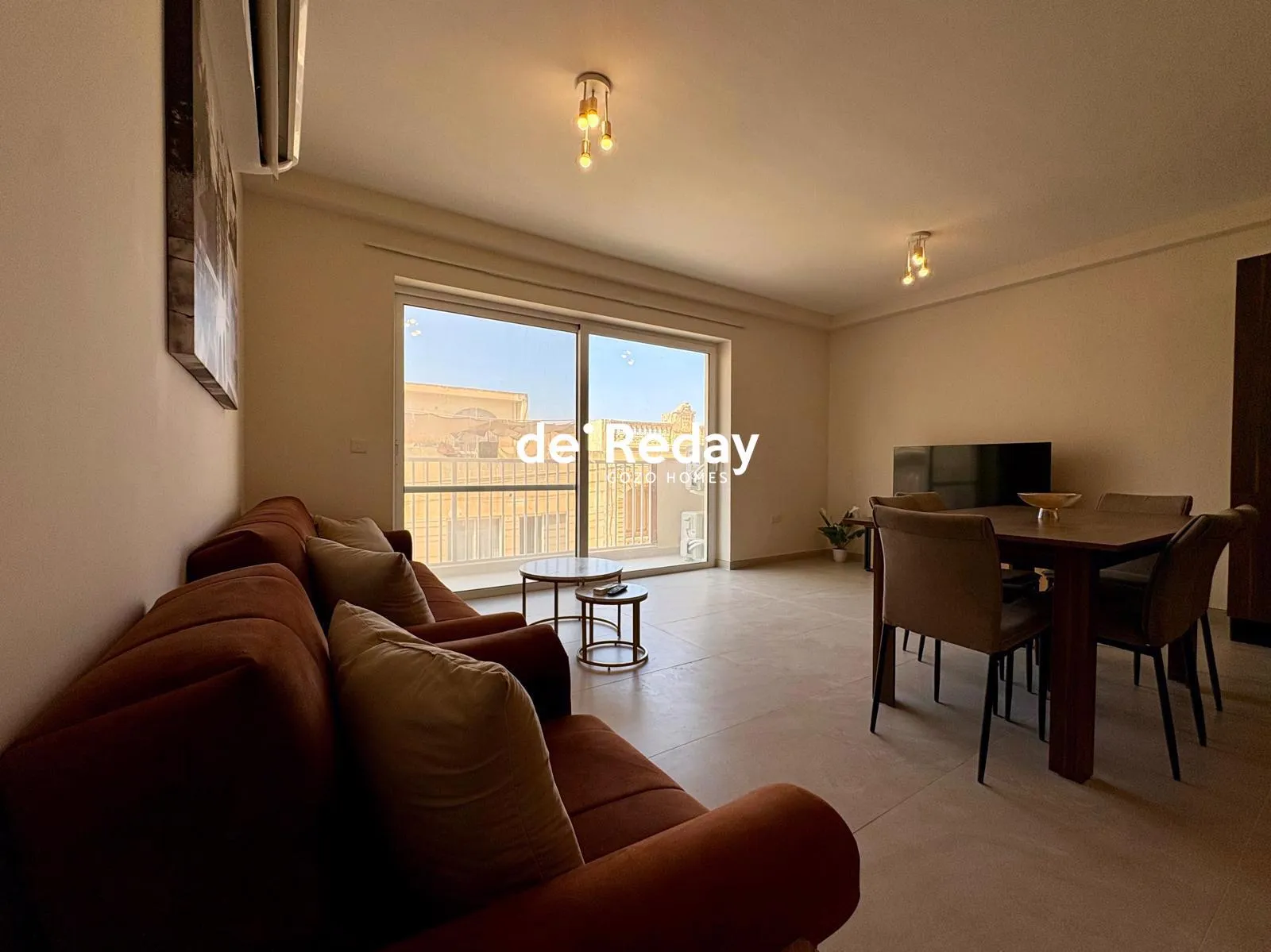
Brand New 3 Bedroom Apartment in Xaghra