Fgura vs Zejtun
Side-by-side comparison of property prices, lifestyle, and practical info to help you choose the right area.
Summary
Fgura is better for commuters needing quick access to the harbour region, while Żejtun suits families wanting a traditional community with baroque character and historic charm. Both towns share identical populations of around 11,800 and score 8/10 for family-friendliness, but they differ in character and convenience. Fgura scores 7/10 for transport connectivity versus Żejtun's 6/10, with four bus routes (2, 3, 4, 6) providing faster Valletta access. Żejtun's bus journey to Valletta takes 25–30 minutes, though it sits closer to Malta International Airport at just 10 minutes by car compared to Fgura's 15 minutes.
Fgura delivers modern residential convenience with flat terrain, good walkability, and a practical commuter location between the Three Cities and Paola. It has no tourist premium on property prices but lacks architectural distinction, with mostly 20th-century development. Żejtun offers a well-preserved historic core featuring one of Malta's finest baroque church facades, strong festa traditions, and authentic Maltese culture. Its spread-out layout requires a car for most daily tasks, and surrounding industrial areas affect the landscape. Both towns rate 5/10 for dining and beaches, with minimal nightlife — Żejtun at 3/10 and Fgura at 4/10. Fgura suits budget buyers prioritising harbour-area access; Żejtun suits families seeking traditional character at Malta's most affordable urban property prices.
Living in Fgura
Fgura is a compact residential town sandwiched between the Three Cities and Zabbar — a primarily residential area that grew rapidly in the post-war period as housing spread outward from the harbour. It's one of Malta's newer towns, with most development dating from the 1960s onward, which gives it a different character from the ancient harbour cities next door. The town's landmark is a striking bronze monument of Christ the King that stands at the main junction, visible from the approach roads and a reference point for anyone navigating the area. Fgura's parish church, dedicated to St. Mary, has a distinctive modernist design that stands out among Malta's predominantly baroque churches. Fgura's appeal is straightforward: affordable housing close to both the harbour area and the southern towns. Property here is modestly priced, and the location is practical — a short drive to the Three Cities, Paola, and the arterial roads heading south and north. It's a commuter town, pure and simple, with no tourist pretensions.
Highlights
- Affordable housing close to the harbour area
- Christ the King monument — local landmark
- Quick access to Three Cities and Paola
- Modernist parish church — unusual for Malta
- No tourist premium on property prices
Living in Zejtun
Zejtun is a substantial southern town that takes its name from the Maltese word for olive oil — zejt — a reminder that this area was once covered in olive groves supplying oil across the Mediterranean. The town is one of Malta's largest and has a distinctly southern identity, with strong festa traditions, a sprawling residential area, and a historic core that's among the best-preserved in the south. The old centre clusters around the impressive parish church of St. Catherine, a baroque building with one of the finest church facades in Malta. The surrounding streets contain substantial townhouses with enclosed courtyards, some dating back to the Knights' period. The village of Birzebbuga, Hal Far industrial estate, and the Freeport all sit within Zejtun's broader boundaries. Property in Zejtun is very affordable — among the lowest prices in urbanised Malta. The town has all essential amenities and good road connections, but public transport to Valletta takes 25–30 minutes and the tourist appeal is minimal. It's a practical choice for local buyers and budget-conscious investors.
Highlights
- Named after centuries of olive oil production
- One of Malta's finest baroque church facades
- Among the most affordable property in urban Malta
- Strong festa and community traditions
- Good road connections to the south and harbour area
Lifestyle Comparison
Which Area Is Right For You?
Choose Fgura
Fgura comes out ahead in nightlife, transport .
Choose Zejtun
Zejtun comes out ahead in safety .
Frequently Asked Questions
Available Properties
Fgura (5 listings)
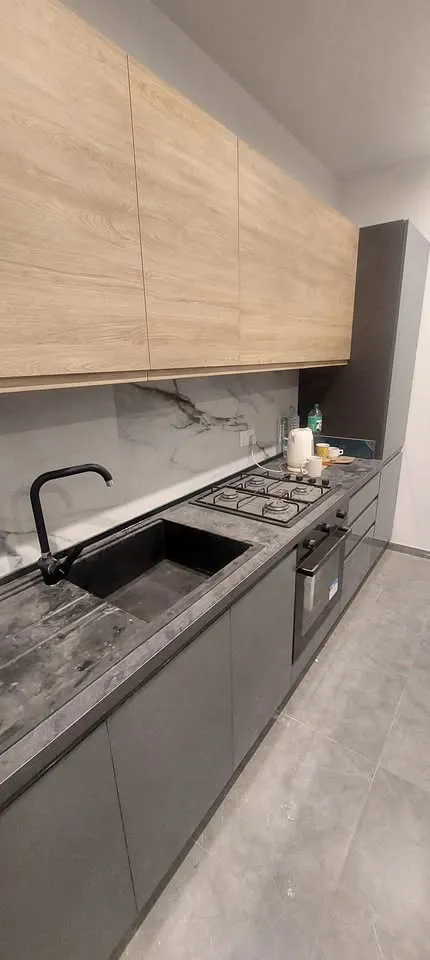
Fgura 1 Bedroom Apartment
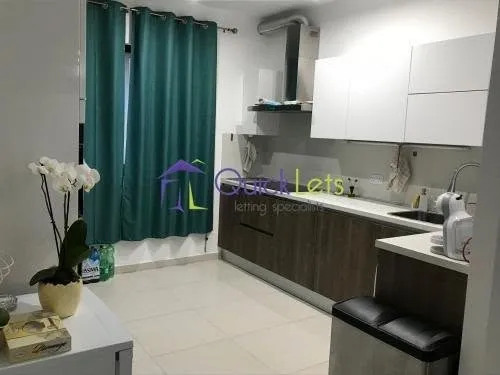
Modern, spacious, fully furnished 3-bedroom apartment in Fgura
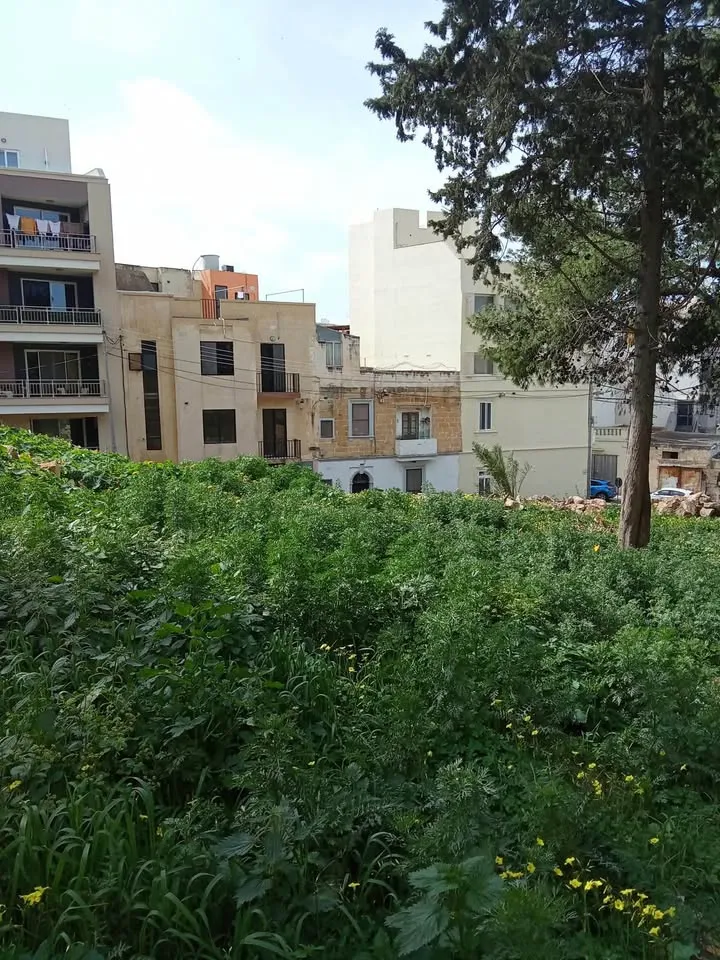
2 Bedroom Apartment in Fgura