Floriana vs Marsaskala
Side-by-side comparison of property prices, lifestyle, and practical info to help you choose the right area.
Summary
Floriana sits adjacent to Valletta's central bus terminus, putting every island route within a 5-minute walk. It scores 10/10 for transport and 9/10 for dining, with a population of just 2,300. Property here costs less than Valletta while delivering similar capital proximity. The airport is 20 minutes by car or 30 by express bus. Marsaskala, population 14,700, sits on Malta's southeast coast. Buses to Valletta take 25-35 minutes, and reaching Sliema or St. Julian's requires a transfer or car. The airport is closer at 15 minutes by car.
Floriana rates 7/10 for nightlife and 7/10 for family suitability, balanced against event-day noise and parking limits. Marsaskala scores 8/10 for family life and 7/10 for beaches, with a sheltered bay and cliff-top trails. Property prices are significantly lower than northern coastal towns. Dining and nightlife options are more limited at 6/10 and 5/10 respectively, and some seasonal businesses close in winter. Choose Floriana for walkable capital access; choose Marsaskala for space, sea, and savings.
Living in Floriana
Floriana is the fortified suburb that guards Valletta's landward approach — a planned town built by the Knights in the 17th century as an outer defence ring around the capital. The massive bastions that form Floriana's boundary are among the most impressive military fortifications in Malta, and the town's grid-plan streets mirror Valletta's own rational design. Despite being adjacent to the capital, Floriana has its own distinct identity. It's the home of Malta's national football stadium, the Argotti Botanical Gardens, and several government ministries that spill over from Valletta. The granaries — massive stone silos built into the bastions — are a distinctive landmark and were once critical to Malta's grain supply. The town's main square hosts Malta's largest political rallies and national events. Property in Floriana is more affordable than neighbouring Valletta while offering similar proximity to everything in the capital. The housing stock is predominantly traditional townhouses within the fortifications, many with original architectural features. Parking is easier than in Valletta, and the bus terminus sits at the edge of town.
Highlights
- Adjacent to Valletta with its own fortified walls
- National football stadium and Argotti Botanical Gardens
- More affordable than Valletta with similar proximity
- Malta's main bus terminus at the edge of town
- Historic granaries built into the bastions
Living in Marsaskala
Marsaskala is Malta's southeastern seaside town — a former fishing village that grew into a residential community with a seafront promenade, a string of restaurants, and a loyal local following. The name means 'Siqalli's harbour' in Arabic, a reference to a Sicilian merchant who once operated from the bay, and fishing boats still bob in the harbour alongside pleasure craft. The town wraps around a sheltered bay, with a promenade that runs the length of the waterfront connecting restaurants, cafes, and swimming spots. St. Thomas Bay, on the eastern edge, is one of Malta's quieter swimming areas — a stretch of sand and rocks with shallow water that's popular with families. The surrounding coastline is rugged and undeveloped compared to the northern resorts, with walking trails along the cliff tops toward Zonqor Point. Marsaskala has become increasingly popular with young families and first-time buyers priced out of the central and northern coast. Property here is significantly more affordable than Sliema or St. Julian's, and you get the seafront lifestyle without the premium. The town has all essential amenities — supermarkets, pharmacies, schools — but lacks the commercial density of larger towns. A car is recommended for commuting, though buses connect to Valletta in about 30 minutes.
Highlights
- Sheltered bay with fishing boats and waterfront restaurants
- St. Thomas Bay — quieter swimming beach
- Significantly more affordable than northern coastal areas
- Growing family-oriented community
- Cliff-top walking trails along undeveloped coastline
Lifestyle Comparison
Which Area Is Right For You?
Choose Floriana
Floriana comes out ahead in dining, nightlife, transport .
Choose Marsaskala
Marsaskala comes out ahead in family, beaches .
Frequently Asked Questions
Available Properties
Floriana (1 listings)
View all Floriana properties
Marsaskala (24 listings)
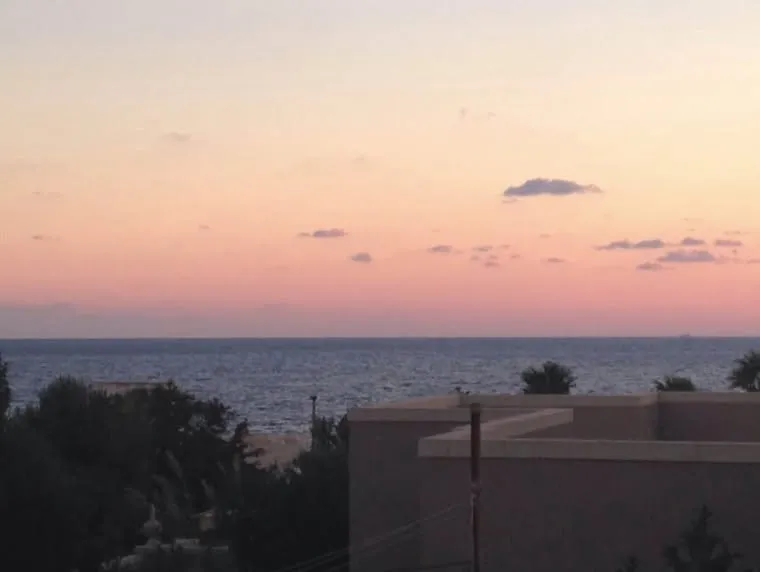
Marsascala Modern Apartment
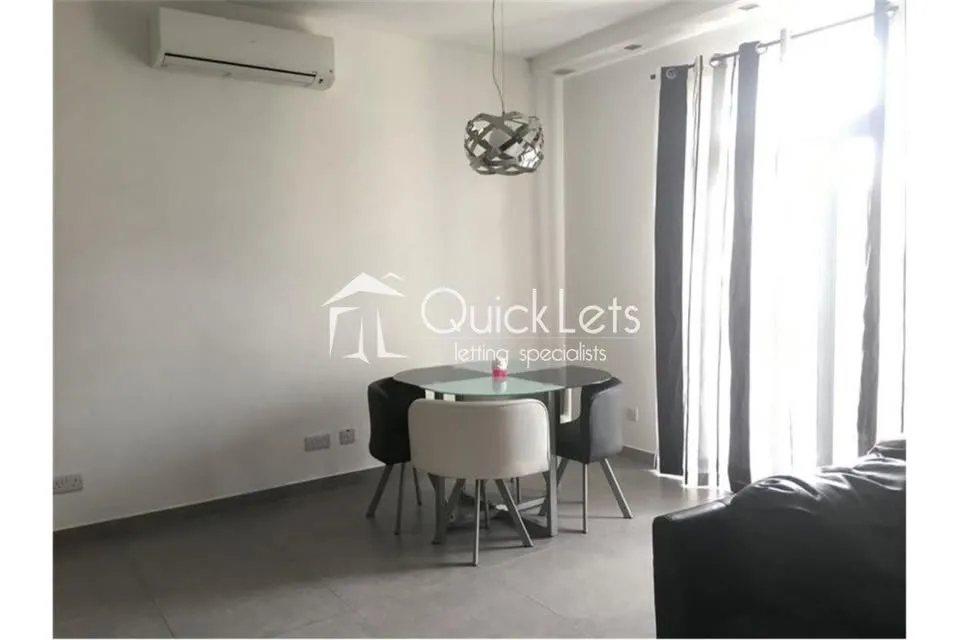
3-Bedroom Maisonette – Marsaskala
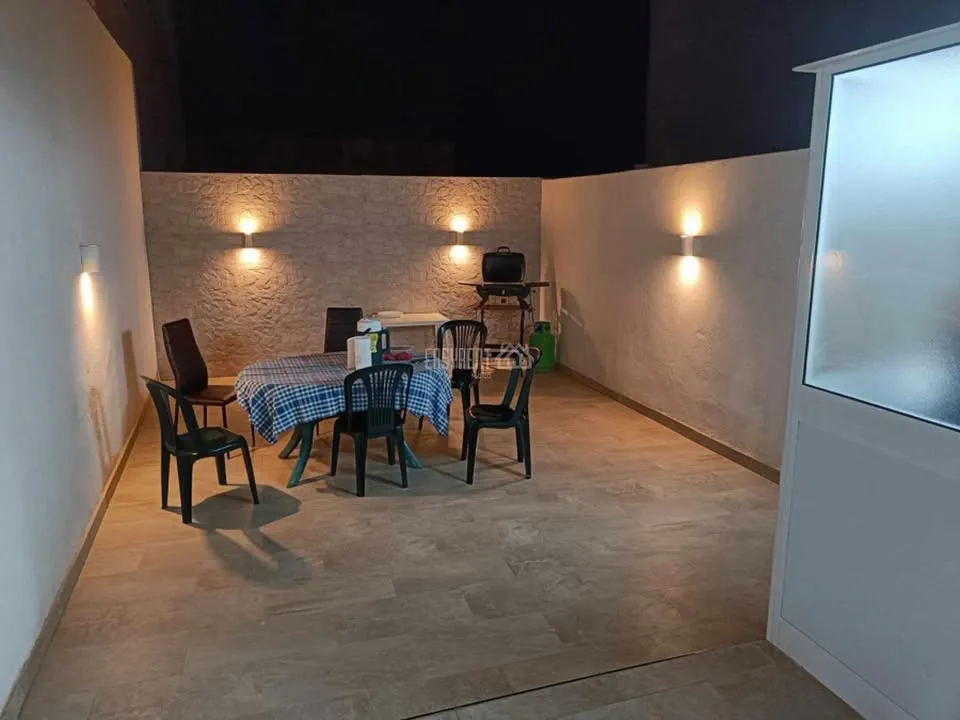
2-bedroom maisonette for rent in Marsaskala