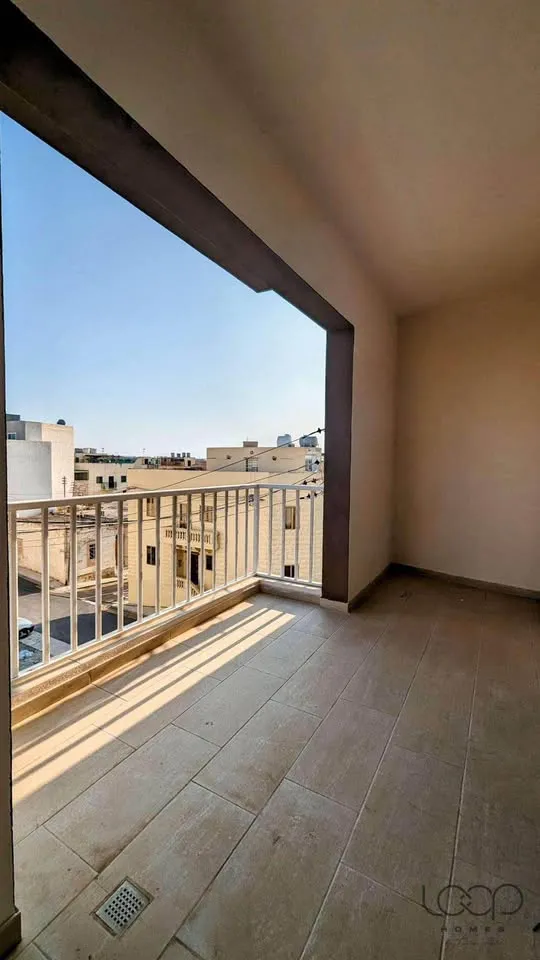
Floriana vs Rabat
Side-by-side comparison of property prices, lifestyle, and practical info to help you choose the right area.
Summary
Living in Floriana
Floriana is the fortified suburb that guards Valletta's landward approach — a planned town built by the Knights in the 17th century as an outer defence ring around the capital. The massive bastions that form Floriana's boundary are among the most impressive military fortifications in Malta, and the town's grid-plan streets mirror Valletta's own rational design. Despite being adjacent to the capital, Floriana has its own distinct identity. It's the home of Malta's national football stadium, the Argotti Botanical Gardens, and several government ministries that spill over from Valletta. The granaries — massive stone silos built into the bastions — are a distinctive landmark and were once critical to Malta's grain supply. The town's main square hosts Malta's largest political rallies and national events. Property in Floriana is more affordable than neighbouring Valletta while offering similar proximity to everything in the capital. The housing stock is predominantly traditional townhouses within the fortifications, many with original architectural features. Parking is easier than in Valletta, and the bus terminus sits at the edge of town.
Highlights
- Adjacent to Valletta with its own fortified walls
- National football stadium and Argotti Botanical Gardens
- More affordable than Valletta with similar proximity
- Malta's main bus terminus at the edge of town
- Historic granaries built into the bastions
Living in Rabat
Rabat is Mdina's neighbour — where the Silent City's walls end, Rabat begins. But where Mdina is a museum piece, Rabat is a living town. The name means 'suburb' in Arabic, a reference to its origins as the residential quarter outside the old capital's walls. Today it's one of Malta's most characterful towns, with a mix of historic architecture, traditional village life, and a growing food scene that draws Maltese from across the island. The town is built on top of a network of catacombs — underground burial chambers dating back to Roman times. St. Paul's Catacombs, where the apostle is said to have sheltered after his shipwreck on Malta, are the most famous, but there are several sites open to visitors. Above ground, Rabat's narrow streets hide grand palazzos, wayside chapels, and the Domus Romana, a reconstructed Roman townhouse with some of the finest mosaics in the Mediterranean. Rabat offers a different pace of life from the coastal towns. Property is more affordable, streets are quieter, and there's a genuine village atmosphere that's disappearing from much of Malta. The trade-off is distance — Rabat sits inland, and reaching Sliema or Valletta takes 25–30 minutes by car. For some, that distance is exactly the point.
Highlights
- St. Paul's Catacombs — underground Roman burial chambers
- Adjacent to Mdina's city walls
- Growing restaurant and cafe scene
- More affordable property than coastal Malta
- Authentic Maltese village atmosphere
Lifestyle Comparison
Which Area Is Right For You?
Choose Floriana
Floriana comes out ahead in dining, beaches, nightlife, transport .
Choose Rabat
Rabat comes out ahead in family .
Frequently Asked Questions
Available Properties
Floriana (1 listings)
View all Floriana properties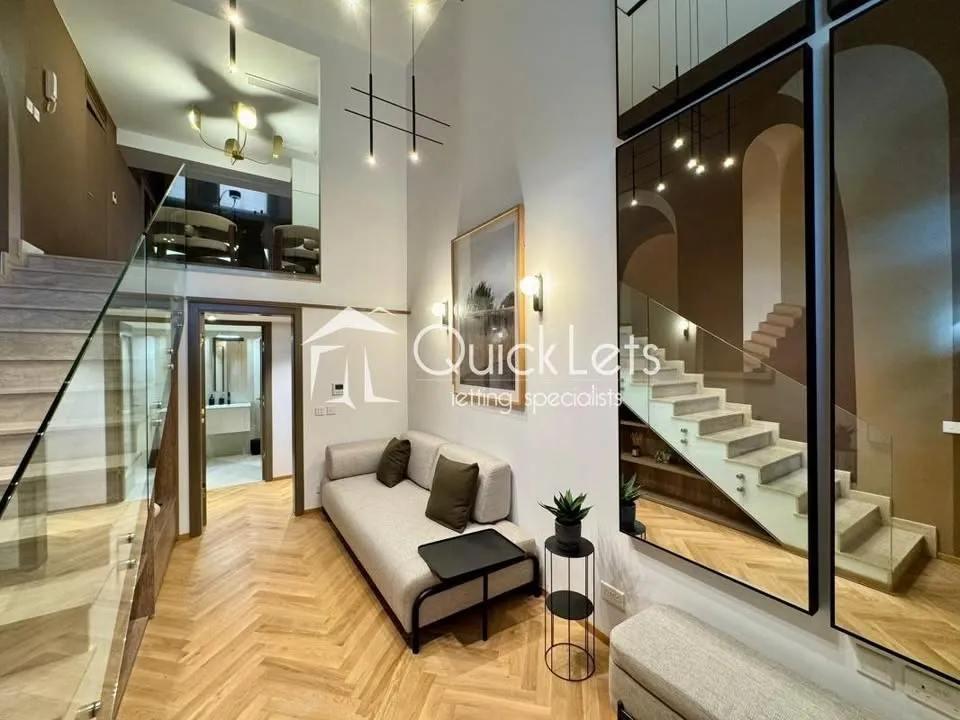
Rabat (5 listings)
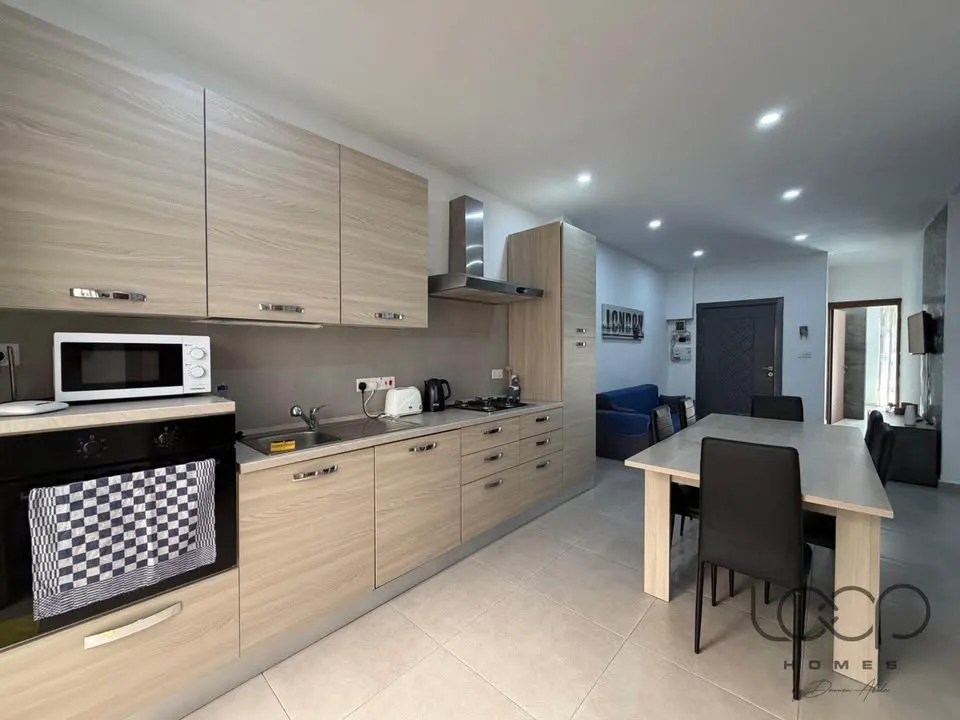
Modern 3 Bedroom Apartment in Rabat
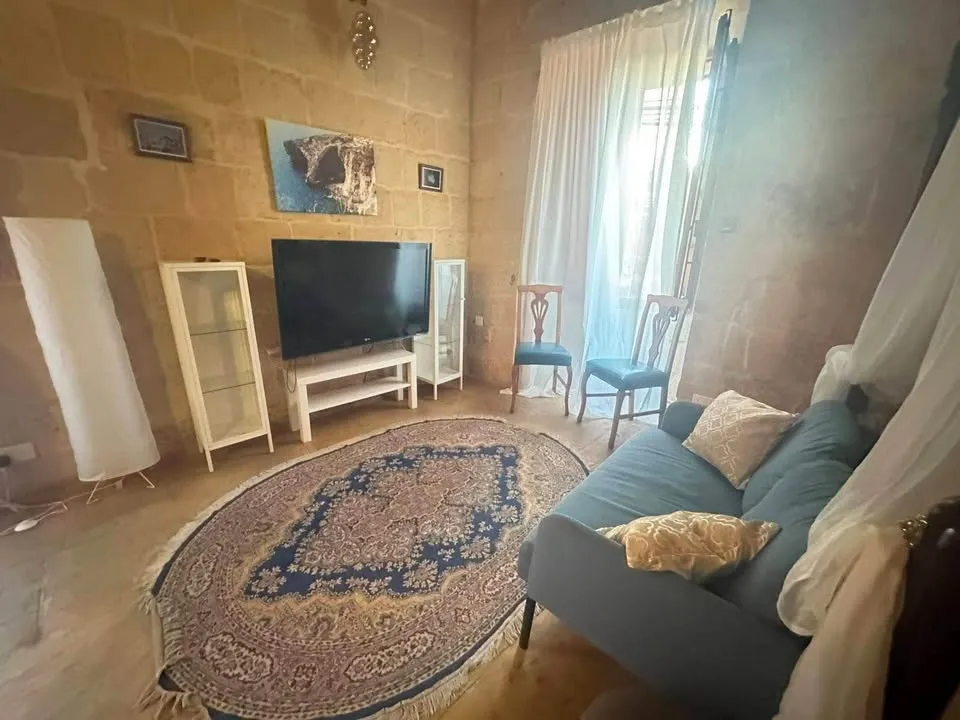
1 bedroom studio apartment in Rabat
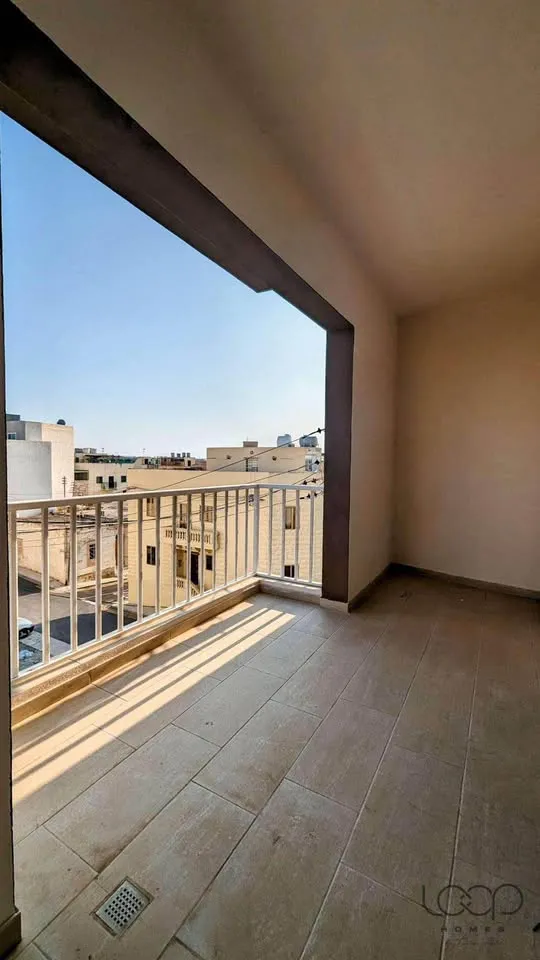
Rabat - Modern 3 Bedroom Apartment