Gharb vs Rabat
Side-by-side comparison of property prices, lifestyle, and practical info to help you choose the right area.
Summary
Gharb (population 1,500) is a tiny hilltop village on Gozo's western edge with exceptional safety (9/10) and sunset views from traditional farmhouses. It has very limited amenities and infrequent buses to Victoria (5-minute drive). Rabat (population 11,800) neighbours Mdina and offers strong family appeal (8/10), a growing dining scene (7/10), and solid transport connections via buses 51 and 52 to Valletta. Parking is easier here than in coastal towns, and property costs run 20-30% lower than seaside locations.
Key trade-offs: Gharb delivers isolation and quiet on Gozo, with 90+ minute journeys to the airport including the Mgarr ferry. Rabat is inland Malta — 25-30 minutes by car to Sliema and Valletta, 25 minutes to the airport, but no sea access. Gharb scores just 2/10 for transport; Rabat scores 6/10. Rabat provides better dining and nightlife, while Gharb offers more affordable Gozo property and closer beach access (5/10 vs Rabat's 3/10).
Living in Gharb
Gharb is one of Gozo's oldest villages, perched on a hilltop in the far west of the island with views stretching to the sea on two sides. The name means 'west' in Arabic — an accurate description of its position at Gozo's western extreme. The village is tiny, conservative, and deeply traditional, with a picturesque square that's one of the most photographed in Gozo. The square is anchored by a charming church and a collection of historic buildings that include what's said to be the oldest freestanding house in Gozo. The Gharb Folklore Museum occupies a 300-year-old building and displays traditional Gozitan crafts, tools, and household items. The Ta' Dbiegi craft village nearby is where local artisans produce handmade glass, lace, and pottery. Property in Gharb includes some of Gozo's most charming traditional farmhouses, many with thick limestone walls, internal courtyards, and roof terraces with sunset views. Prices are low, and restoration projects are common. The village is very quiet — too quiet for some — but for buyers seeking the authentic Gozitan experience, Gharb is the genuine article.
Highlights
- One of Gozo's oldest and most photographed village squares
- Traditional farmhouses with courtyards and sunset views
- Gharb Folklore Museum in a 300-year-old building
- Ta' Dbiegi craft village with local artisans
- One of Gozo's most affordable locations
Living in Rabat
Rabat is Mdina's neighbour — where the Silent City's walls end, Rabat begins. But where Mdina is a museum piece, Rabat is a living town. The name means 'suburb' in Arabic, a reference to its origins as the residential quarter outside the old capital's walls. Today it's one of Malta's most characterful towns, with a mix of historic architecture, traditional village life, and a growing food scene that draws Maltese from across the island. The town is built on top of a network of catacombs — underground burial chambers dating back to Roman times. St. Paul's Catacombs, where the apostle is said to have sheltered after his shipwreck on Malta, are the most famous, but there are several sites open to visitors. Above ground, Rabat's narrow streets hide grand palazzos, wayside chapels, and the Domus Romana, a reconstructed Roman townhouse with some of the finest mosaics in the Mediterranean. Rabat offers a different pace of life from the coastal towns. Property is more affordable, streets are quieter, and there's a genuine village atmosphere that's disappearing from much of Malta. The trade-off is distance — Rabat sits inland, and reaching Sliema or Valletta takes 25–30 minutes by car. For some, that distance is exactly the point.
Highlights
- St. Paul's Catacombs — underground Roman burial chambers
- Adjacent to Mdina's city walls
- Growing restaurant and cafe scene
- More affordable property than coastal Malta
- Authentic Maltese village atmosphere
Lifestyle Comparison
Which Area Is Right For You?
Choose Gharb
Gharb comes out ahead in safety, beaches .
Choose Rabat
Rabat comes out ahead in dining, family, nightlife, transport .
Frequently Asked Questions
Available Properties
Gharb (5 listings)
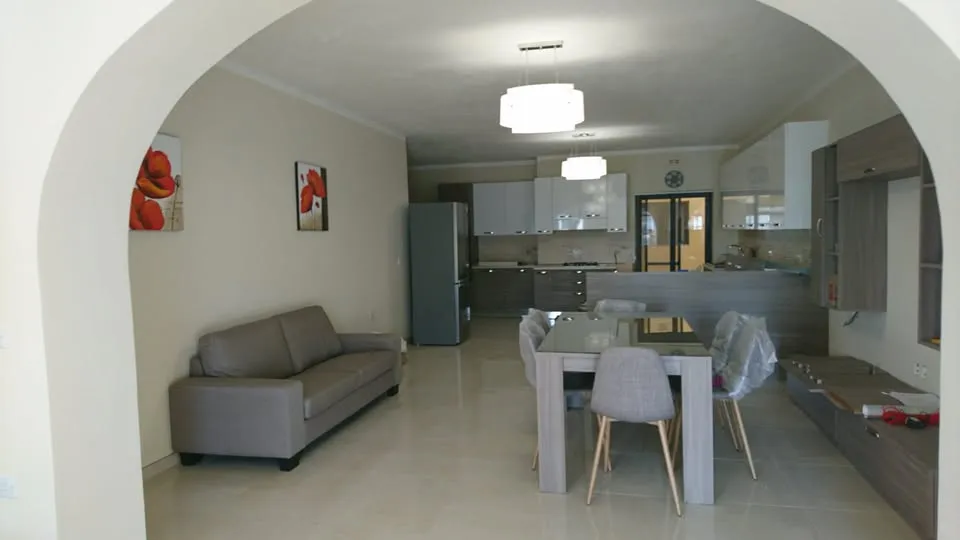
Maisonette for Long-Let in Gharb Gozo
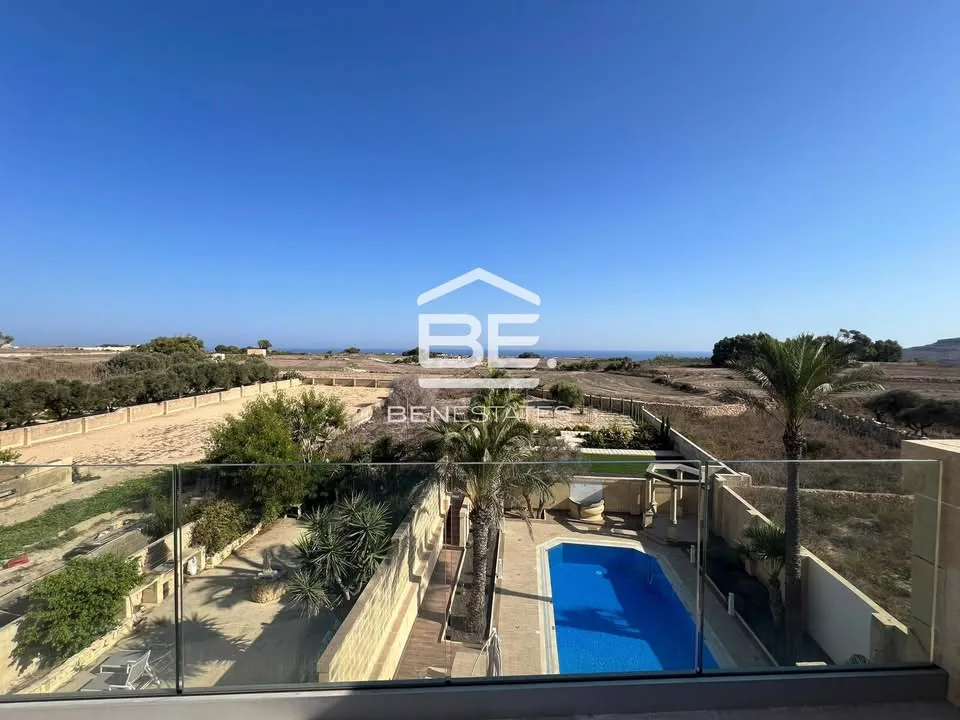
Modern Furnished Penthouse in Gharb
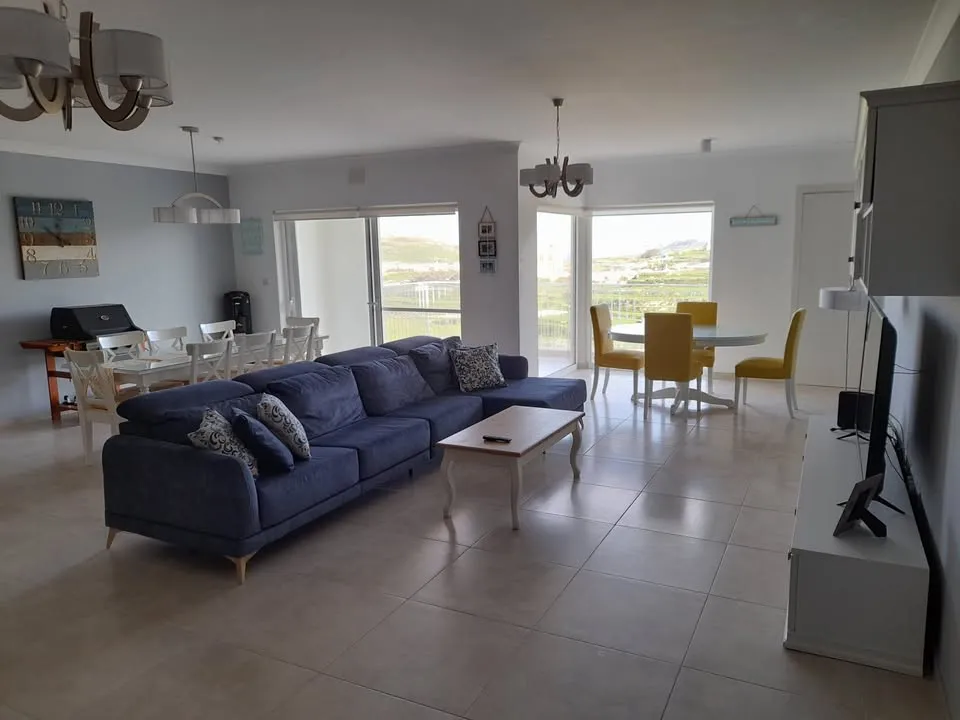
Spacious Apartment in Gozo for long let
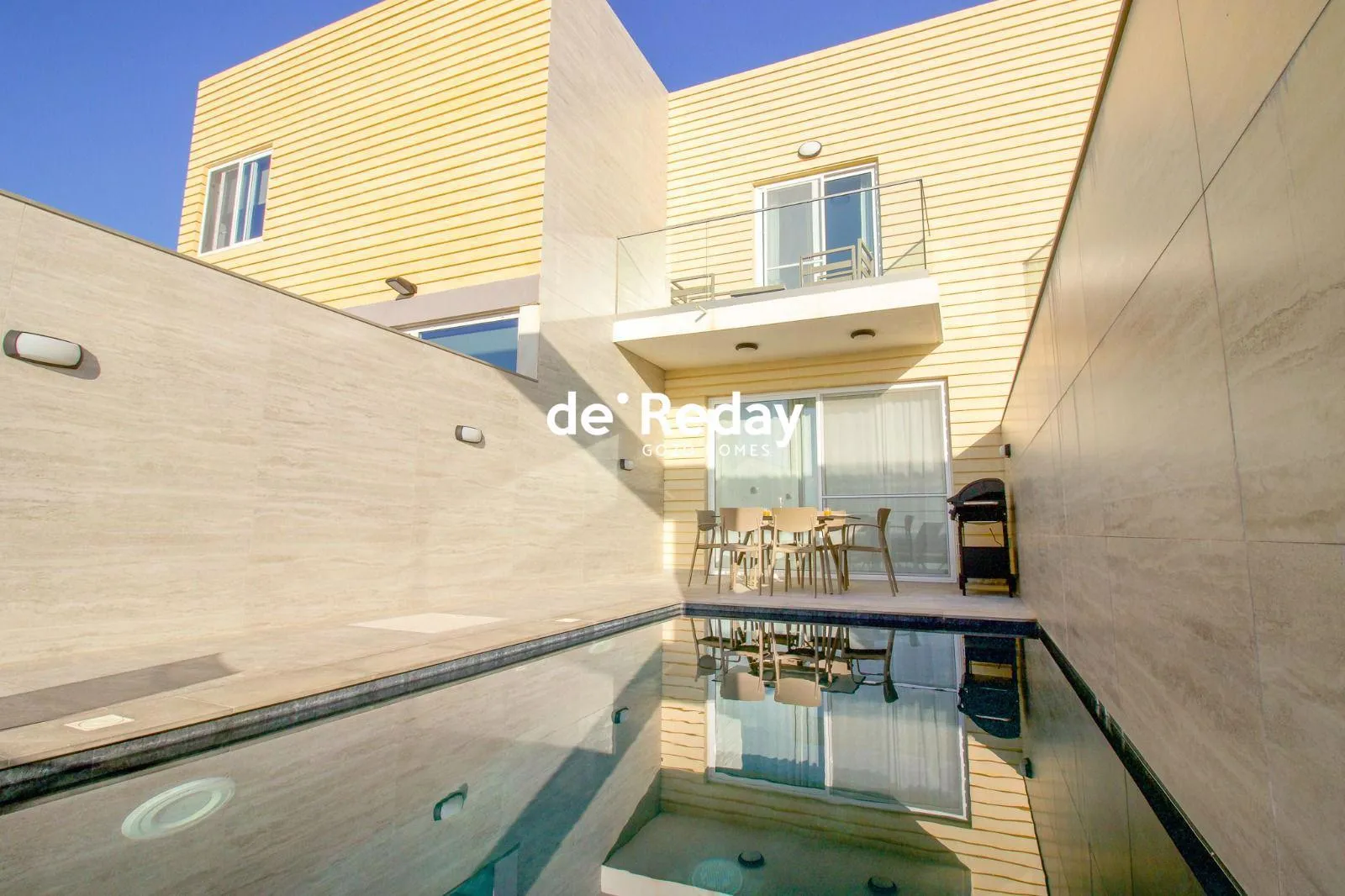
Luxury 3 Bedroom House in Gharb
Rabat (9 listings)
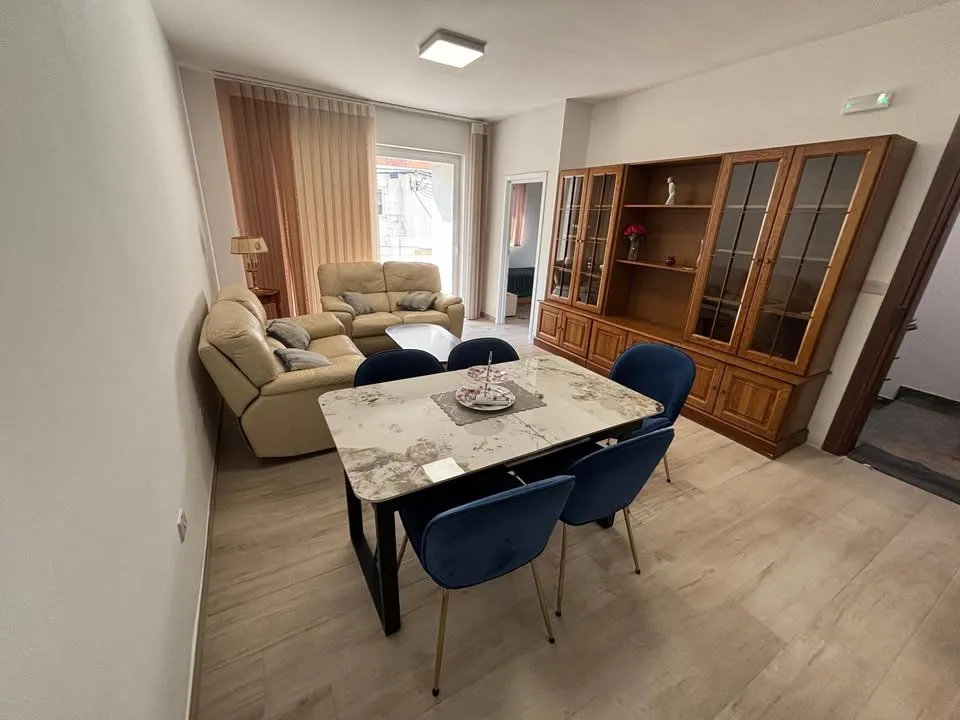
Brand new Property in RABAT
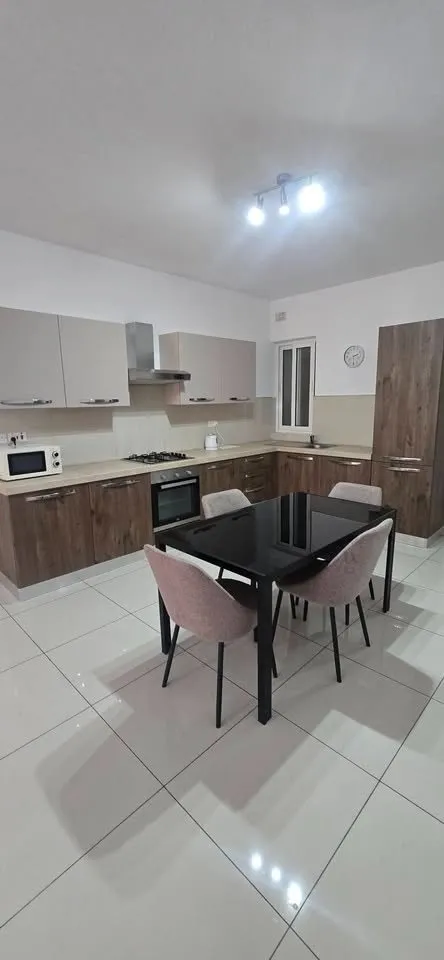
Bahrija Modern Apartment : Bargain!
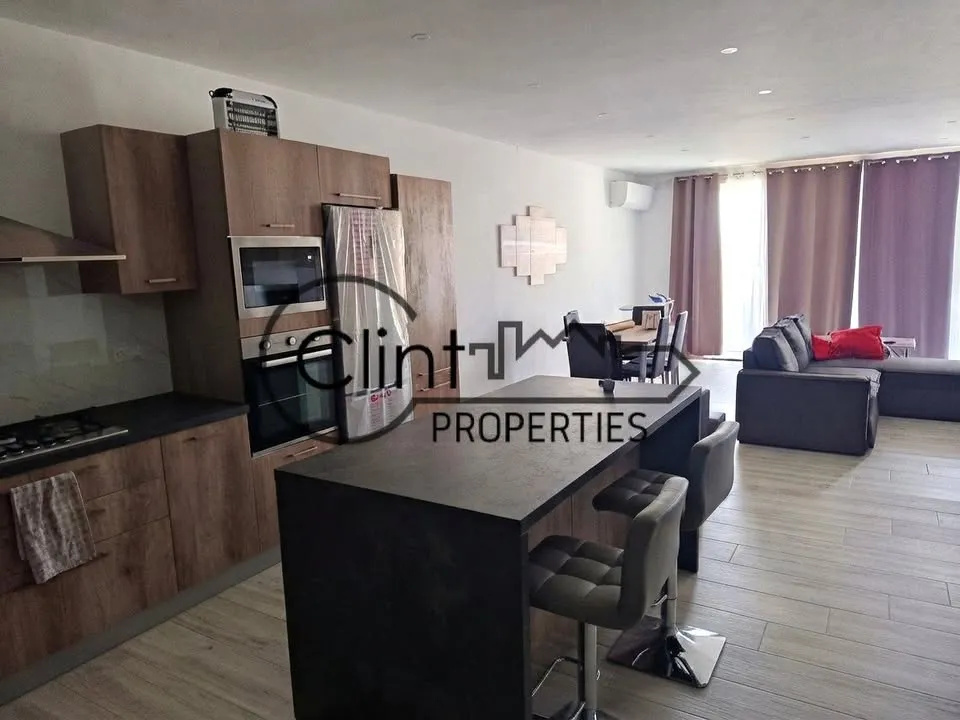
Three Bedroom Apartment in Rabat (Bahrija Area) for Rent