Marsaskala vs Qormi
Side-by-side comparison of property prices, lifestyle, and practical info to help you choose the right area.
Summary
Marsaskala is better for coastal living and beach access, while Qormi wins for central convenience and budget property buyers. Marsaskala, a relaxed seaside town on Malta's southeast coast, rates 7/10 for beaches and 8/10 for family suitability. Qormi, set inland in Malta's central valley, scores 8/10 for transport connectivity and offers some of the island's most affordable property. Both towns are a 15-minute drive from Malta International Airport and carry a family rating of 8/10.
Marsaskala suits families and beach lovers seeking sheltered swimming at St. Thomas Bay, seafront dining, and cliff-top walking trails. However, bus journeys to Valletta take 25–35 minutes, with no direct routes to Sliema or St. Julian's. Qormi is better connected, with direct bus routes (61, 62) to Valletta and flat, walkable terrain with easier parking than coastal areas. Its full local amenities include schools, shops, and healthcare facilities.
Qormi's property prices are among Malta's lowest in a central location, making it ideal for budget buyers and families prioritising convenience. Marsaskala commands slightly higher prices but remains significantly more affordable than Sliema, St. Julian's, and central Malta, appealing to those who prioritise sea views and a quieter coastal lifestyle over nightlife (rated 5/10 for Marsaskala versus 3/10 for Qormi).
Living in Marsaskala
Marsaskala is Malta's southeastern seaside town — a former fishing village that grew into a residential community with a seafront promenade, a string of restaurants, and a loyal local following. The name means 'Siqalli's harbour' in Arabic, a reference to a Sicilian merchant who once operated from the bay, and fishing boats still bob in the harbour alongside pleasure craft. The town wraps around a sheltered bay, with a promenade that runs the length of the waterfront connecting restaurants, cafes, and swimming spots. St. Thomas Bay, on the eastern edge, is one of Malta's quieter swimming areas — a stretch of sand and rocks with shallow water that's popular with families. The surrounding coastline is rugged and undeveloped compared to the northern resorts, with walking trails along the cliff tops toward Zonqor Point. Marsaskala has become increasingly popular with young families and first-time buyers priced out of the central and northern coast. Property here is significantly more affordable than Sliema or St. Julian's, and you get the seafront lifestyle without the premium. The town has all essential amenities — supermarkets, pharmacies, schools — but lacks the commercial density of larger towns. A car is recommended for commuting, though buses connect to Valletta in about 30 minutes.
Highlights
- Sheltered bay with fishing boats and waterfront restaurants
- St. Thomas Bay — quieter swimming beach
- Significantly more affordable than northern coastal areas
- Growing family-oriented community
- Cliff-top walking trails along undeveloped coastline
Living in Qormi
Qormi is Malta's bakery town — the island's traditional centre of bread-making, with family-run bakeries that have produced the daily hobz (Maltese bread) for generations. The town sits in a valley between Birkirkara and the southern towns, and its low-lying position has made it historically prone to flooding — a problem that recent drainage projects have begun to address. The town is substantial — one of Malta's largest — with a split identity. The old centre clusters around two parish churches (Qormi is divided into two parishes, an unusual arrangement) and a maze of traditional streets. The newer areas extend toward the harbour, including industrial zones and the Marsa sports complex. Qormi's bakeries still produce the crusty sourdough loaves that are a staple of Maltese cuisine. Property in Qormi is affordable and practical. The town's central valley location puts it within 15 minutes of both Valletta and the southern coast, and prices are well below the coastal strip. The town has full amenities — schools, shops, a hospital outpatient clinic, and Malta's only horse-racing track at Marsa.
Highlights
- Malta's bread-making capital — family bakeries spanning generations
- Two parish churches — unusual dual-parish arrangement
- Central valley location with good connectivity
- Affordable property with full amenities
- Marsa horse-racing track nearby
Lifestyle Comparison
Which Area Is Right For You?
Choose Marsaskala
Marsaskala comes out ahead in safety, beaches, nightlife .
Choose Qormi
Qormi comes out ahead in dining, transport .
Frequently Asked Questions
Available Properties
Marsaskala (14 listings)
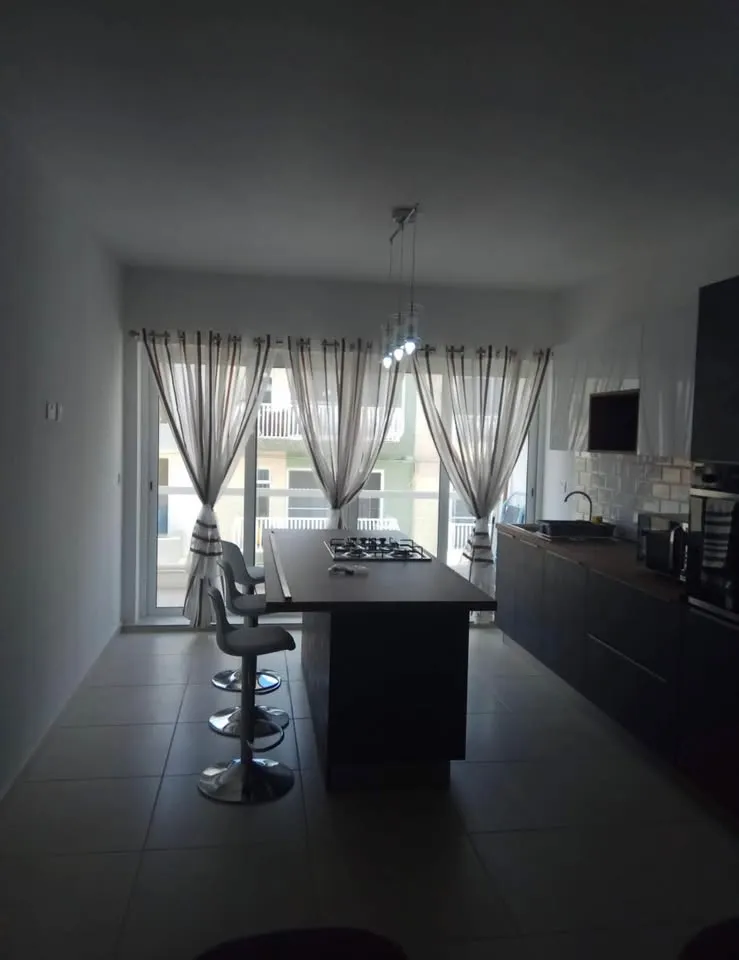
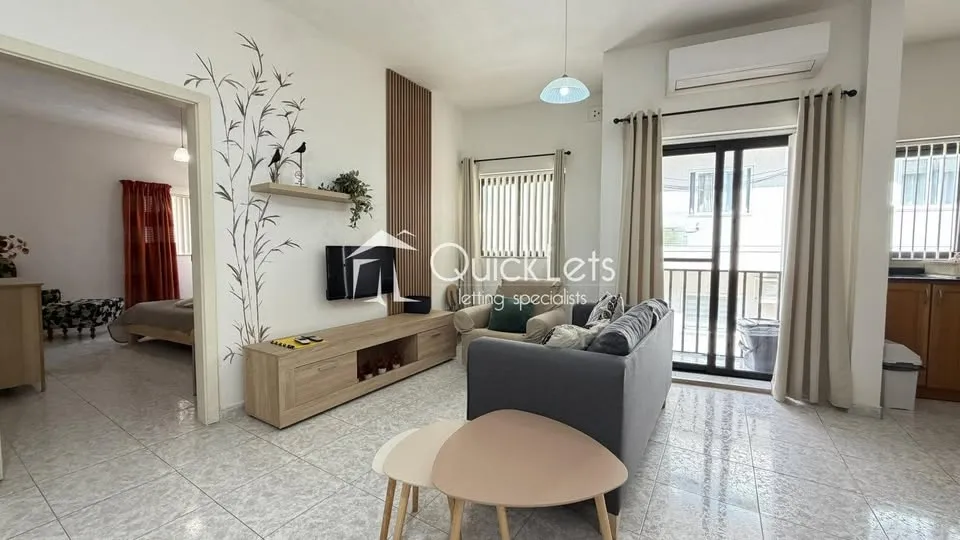
2-Bedroom Apartment for Rent in Marsaskala
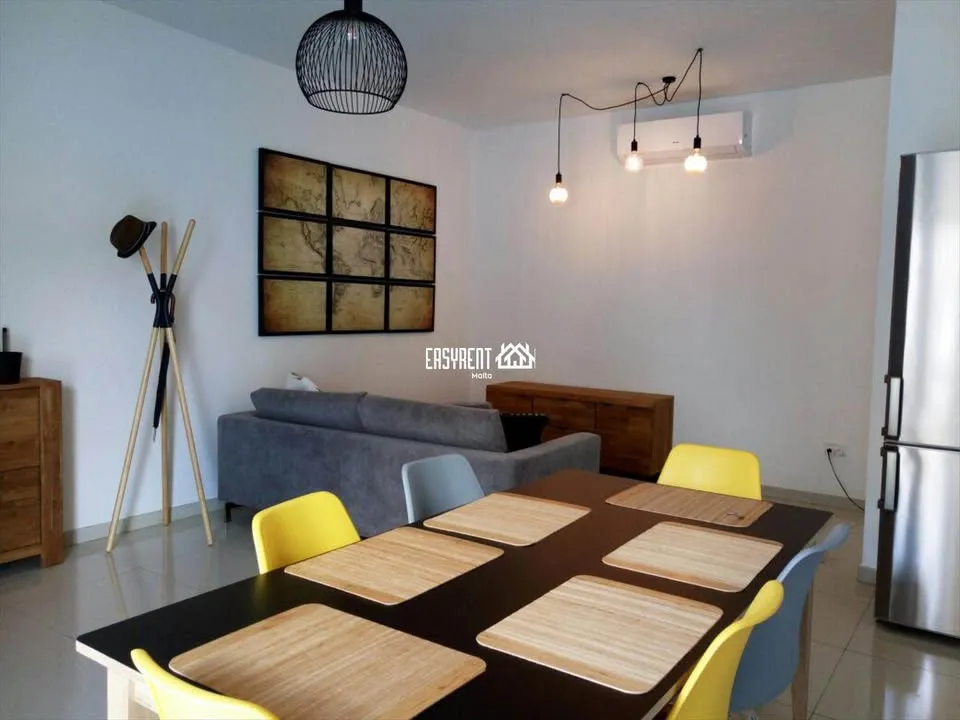
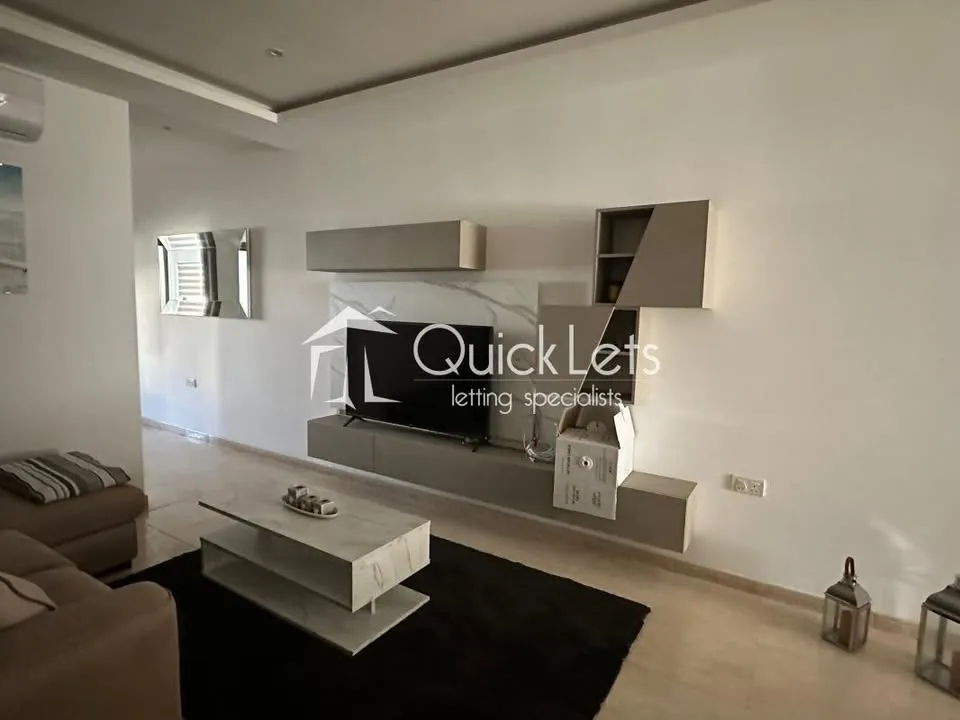
Marsaskala | 3-Bedroom Maisonette for Rent
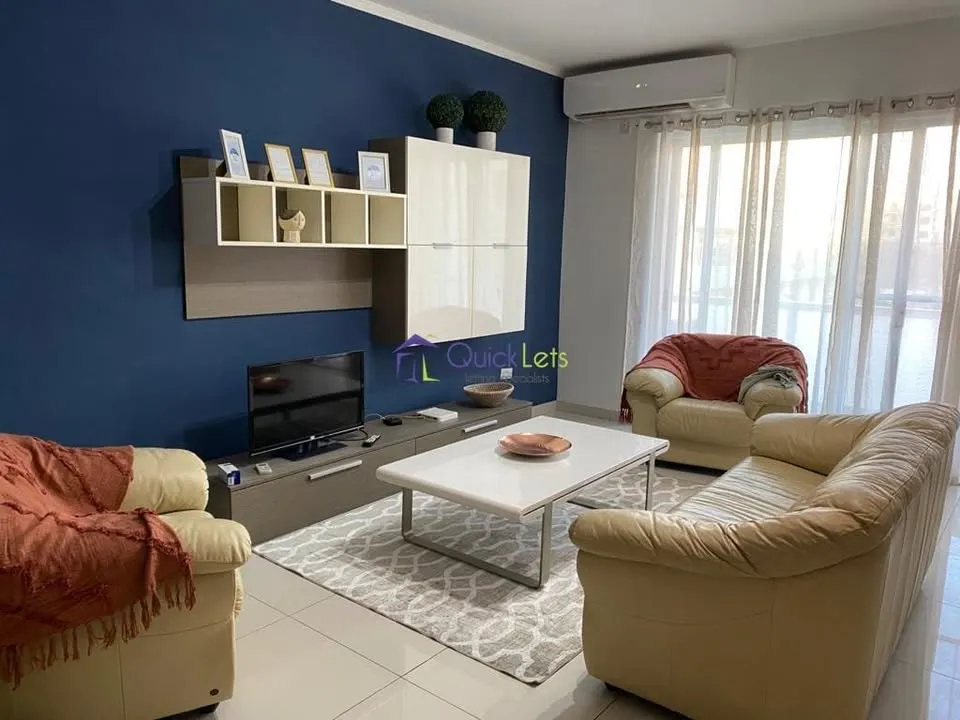
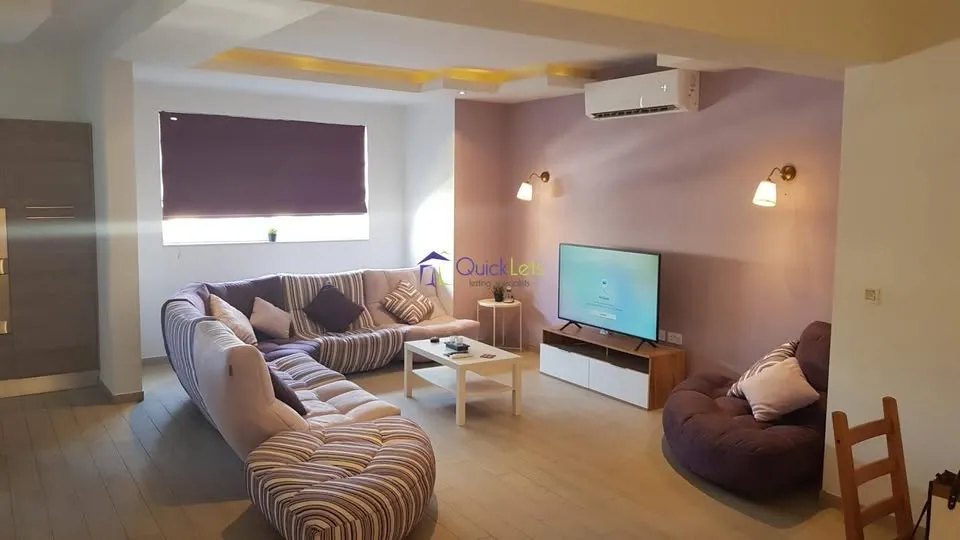
3 Bedroom House in Marsaskala