Mosta vs Pieta
Side-by-side comparison of property prices, lifestyle, and practical info to help you choose the right area.
Summary
Living in Mosta
Mosta is defined by one building. The Rotunda of Mosta — a massive domed church modelled on the Pantheon in Rome — dominates the town's skyline and its identity. The dome is one of the largest unsupported church domes in the world, and its story is remarkable: during WWII, a German bomb pierced the dome during a packed Mass and skidded across the floor without exploding. A replica is still on display inside. Beyond the Rotunda, Mosta is a substantial residential town in central Malta with a character that sits between urban and rural. The town centre has a traditional Maltese market area and commercial strip, while the outskirts blend into farmland and open countryside. Ta' Qali, Malta's national stadium and sports complex, sits at the edge of town alongside the Crafts Village and Malta's aviation museum. Mosta appeals to families and professionals who want space without being far from the action. Property here is more affordable than the coastal hotspots, and you get more square metreage for your money. The town has a strong community feel, good schools, and enough restaurants and shops that daily life doesn't require a trip to Sliema or Valletta.
Highlights
- The Rotunda — one of the world's largest unsupported domes
- Ta' Qali national stadium and sports complex
- More affordable property with larger living spaces
- Central location — 20 min to anywhere on Malta
- Strong community atmosphere and local markets
Living in Pieta
Pietà is a small harbourside locality that sits on the inlet between Msida and Floriana — a narrow strip of waterfront that packs in Malta's general hospital, a yacht marina, and a stretch of seafront promenade into a compact area. The name means 'piety' in Italian, taken from the Wayside Chapel of Our Lady of Sorrows that once served sailors entering Marsamxett Harbour. The town's significance is out of proportion to its size. Mater Dei Hospital is Malta's primary healthcare facility, and the surrounding area has developed to serve the thousands of staff, patients, and visitors who pass through daily. The yacht marina sits on the opposite side of the inlet, with boatyards and chandleries that serve Malta's sizeable recreational sailing community. Property in Pietà is functional and mid-priced. The hospital drives rental demand from medical staff, and the seafront location adds modest premium. It's not a destination neighbourhood, but it's well-positioned — walkable to Msida, the university, and a short bus ride to Valletta.
Highlights
- Mater Dei Hospital — Malta's primary healthcare facility
- Yacht marina and boatyard
- Walkable to the University of Malta
- Seafront promenade
- Strong rental demand from medical professionals
Lifestyle Comparison
Which Area Is Right For You?
Choose Mosta
Mosta comes out ahead in family .
Choose Pieta
Pieta comes out ahead in dining, beaches, nightlife, transport .
Frequently Asked Questions
Available Properties
Mosta (23 listings)
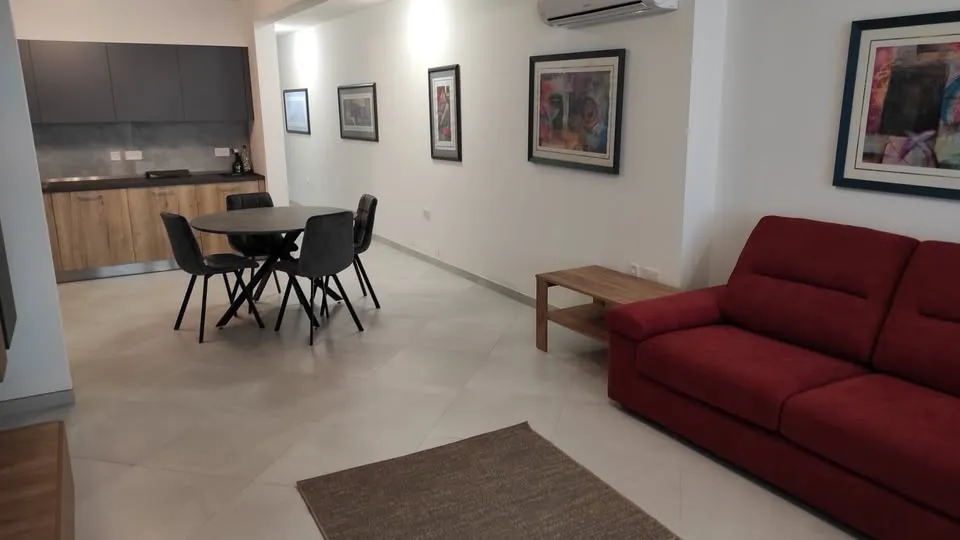
Apartment in Mosta
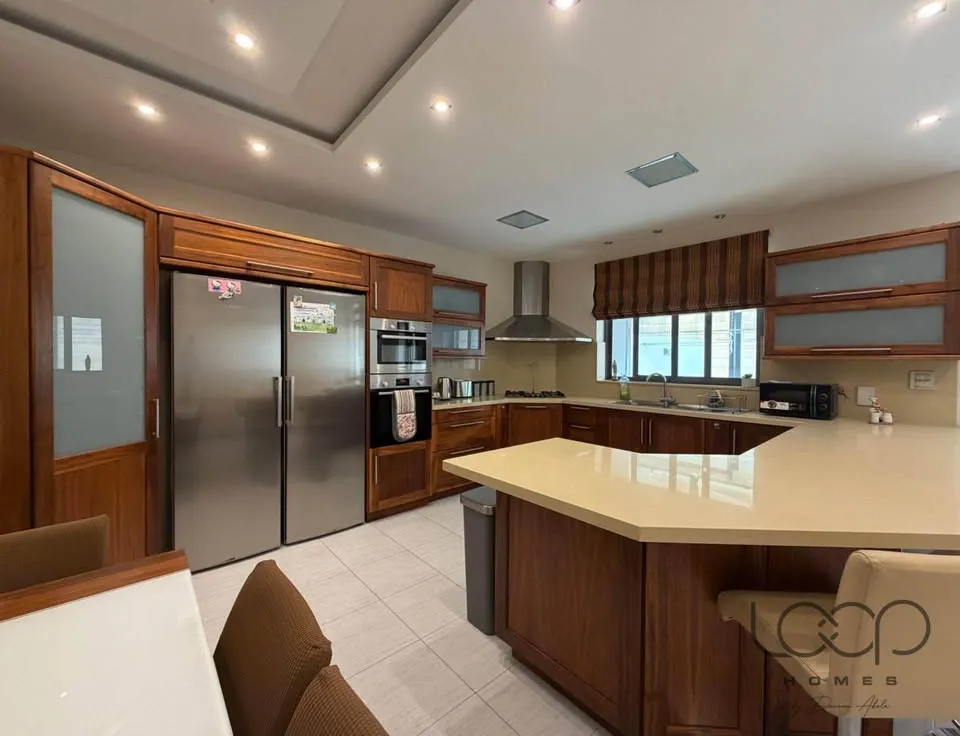
Mosta - Highly Finished 3 Bedroom Apartment
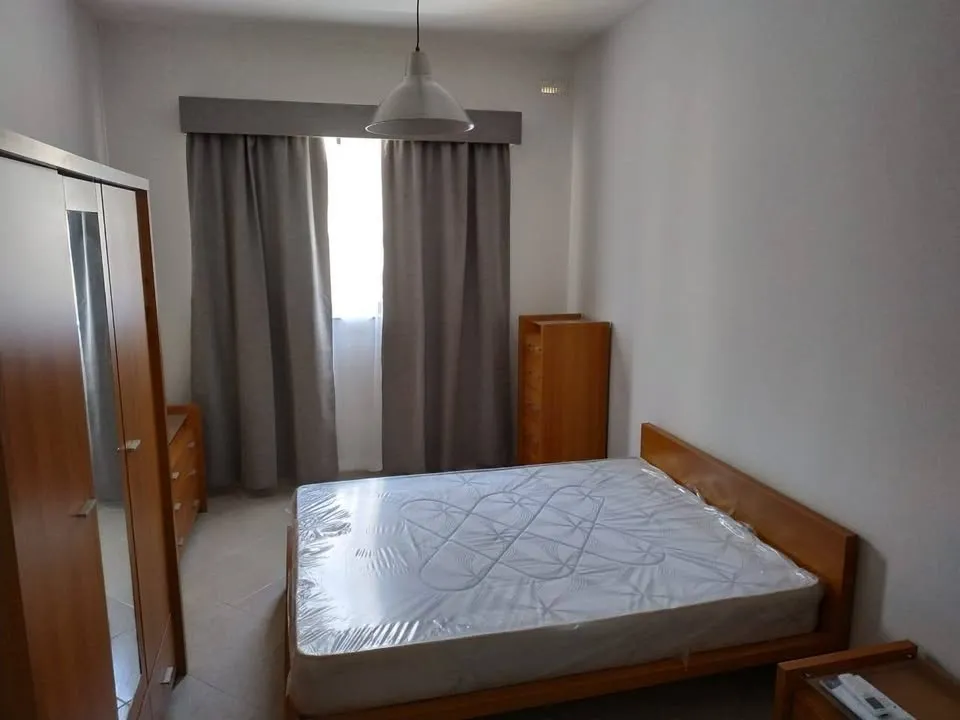
Bright & Beautiful 2-Bedroom Apartment – Mosta
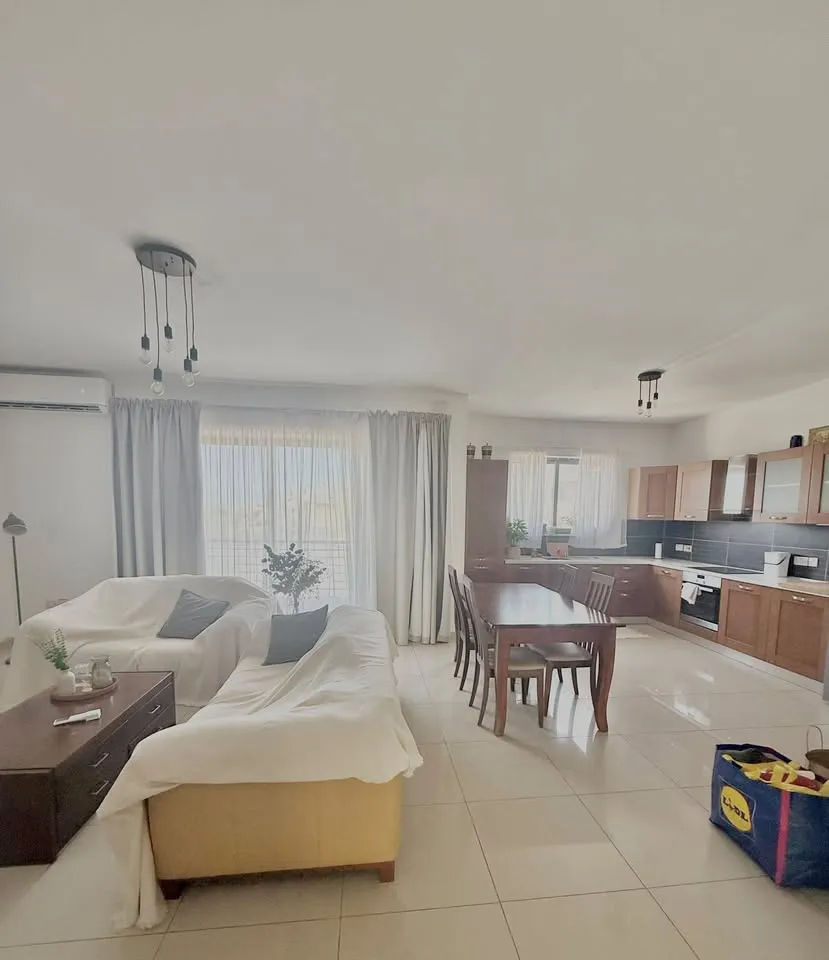
Fantastic End of Summer Deal in Mosta
Pieta (13 listings)
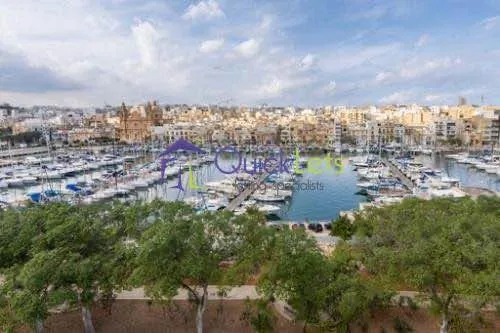
Highly Finished 2-Bedroom Apartment in Pietà
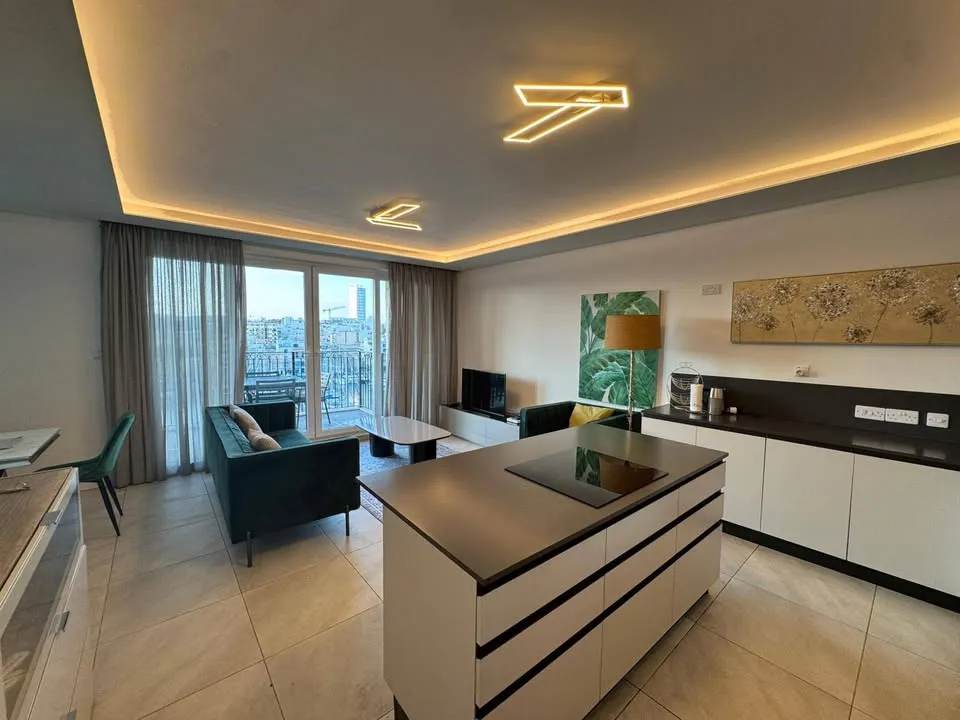
PIETÀ - SEAFRONT APARTMENT FOR RENT
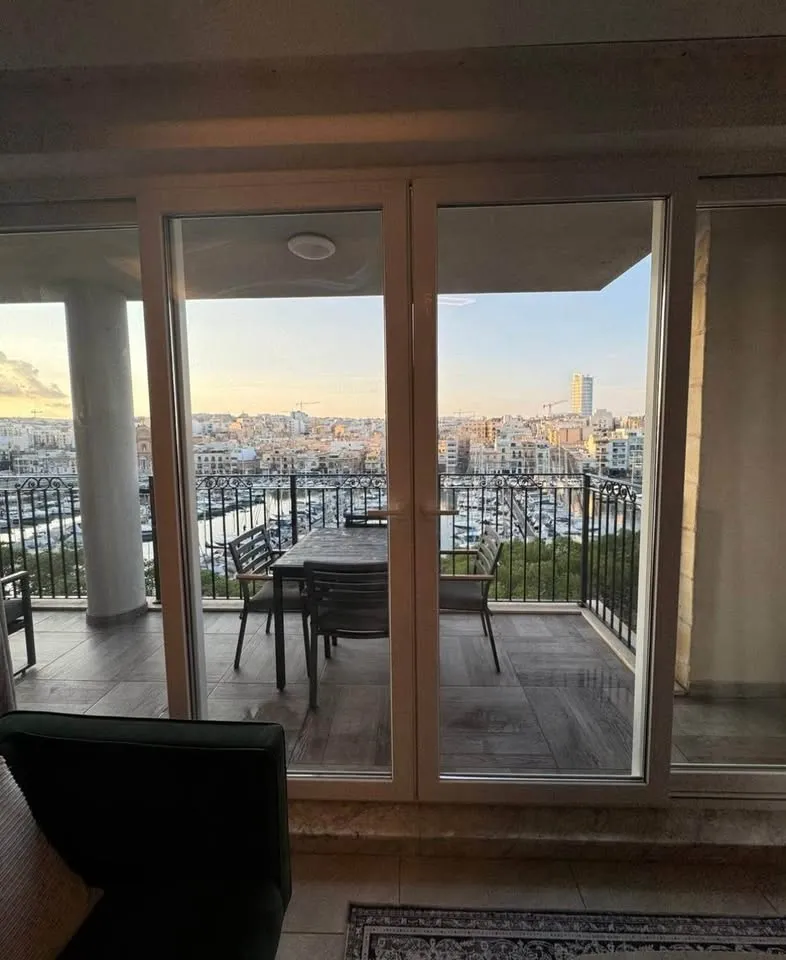
Beautiful Highly Finished 2 Bedroom Apartment in Pieta
