Mosta vs Qawra
Side-by-side comparison of property prices, lifestyle, and practical info to help you choose the right area.
Summary
Mosta sits at the heart of Malta with excellent transport links — buses 41, 42, 44, and 45 connect directly to Valletta in roughly 20 minutes by car, and the airport is equally accessible. It scores 8/10 for both family-friendliness and transport, with good schools and the Ta' Qali sports complex nearby. Property here is more affordable than neighbouring towns, typically offering larger floor plans. The trade-off is a complete lack of coastline — reaching the nearest beach requires a 15-20 minute drive — and limited nightlife (2/10).
Qawra delivers a coastal lifestyle with a long seafront promenade, rocky swimming spots, and the Malta National Aquarium within walking distance. Dining rates higher at 7/10 versus Mosta's 5/10, and nightlife reaches 6/10. However, it sits further from the capital — expect 50-60 minutes by bus to Valletta, though the airport is just 30 minutes by car. Qawra records some of Malta's most affordable coastal rents and benefits from the nearby Ċirkewwa Gozo ferry terminal. The population of 8,000 swells with summer tourists, and the architecture is predominantly modern apartment blocks rather than traditional town character.
Living in Mosta
Mosta is defined by one building. The Rotunda of Mosta — a massive domed church modelled on the Pantheon in Rome — dominates the town's skyline and its identity. The dome is one of the largest unsupported church domes in the world, and its story is remarkable: during WWII, a German bomb pierced the dome during a packed Mass and skidded across the floor without exploding. A replica is still on display inside. Beyond the Rotunda, Mosta is a substantial residential town in central Malta with a character that sits between urban and rural. The town centre has a traditional Maltese market area and commercial strip, while the outskirts blend into farmland and open countryside. Ta' Qali, Malta's national stadium and sports complex, sits at the edge of town alongside the Crafts Village and Malta's aviation museum. Mosta appeals to families and professionals who want space without being far from the action. Property here is more affordable than the coastal hotspots, and you get more square metreage for your money. The town has a strong community feel, good schools, and enough restaurants and shops that daily life doesn't require a trip to Sliema or Valletta.
Highlights
- The Rotunda — one of the world's largest unsupported domes
- Ta' Qali national stadium and sports complex
- More affordable property with larger living spaces
- Central location — 20 min to anywhere on Malta
- Strong community atmosphere and local markets
Living in Qawra
Qawra is the quieter neighbour of Bugibba — a coastal resort area on St. Paul's Bay that shares the same tourist infrastructure but with a more relaxed pace. The name means 'rounded' in Maltese, referring to the shape of the rocky peninsula that juts into the sea. Where Bugibba is loud and commercial, Qawra is slightly more subdued, with a long coastal promenade, rocky swimming platforms, and a cluster of hotels and apartment blocks. The Qawra promenade is one of the longest continuous seafront walks in Malta, stretching from Bugibba's aquarium all the way to Salina Bay. The salt pans at Salina are one of the oldest in Malta, still producing sea salt using traditional methods. The Qawra Point tower, a Knights-era watchtower, sits at the tip of the peninsula. Property in Qawra mirrors Bugibba's market — affordable purchase prices and solid rental yields from tourist demand. The area is popular with British retirees and long-stay visitors who prefer Qawra's slightly calmer atmosphere over Bugibba's bustle. Winter occupancy is better than most Maltese resorts thanks to the retiree community.
Highlights
- Longest seafront promenade in northern Malta
- Salina salt pans — traditional sea salt production
- Knights-era watchtower at Qawra Point
- Steady rental yields from retiree community
- Slightly quieter alternative to neighbouring Bugibba
Lifestyle Comparison
Which Area Is Right For You?
Choose Mosta
Mosta comes out ahead in family, safety, transport .
Choose Qawra
Qawra comes out ahead in dining, beaches, nightlife .
Frequently Asked Questions
Available Properties
Mosta (23 listings)
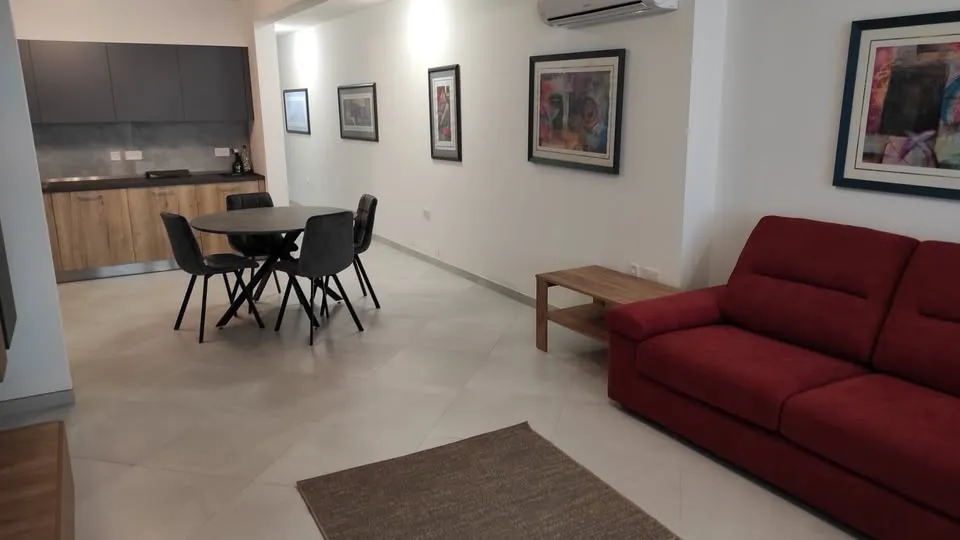
Apartment in Mosta
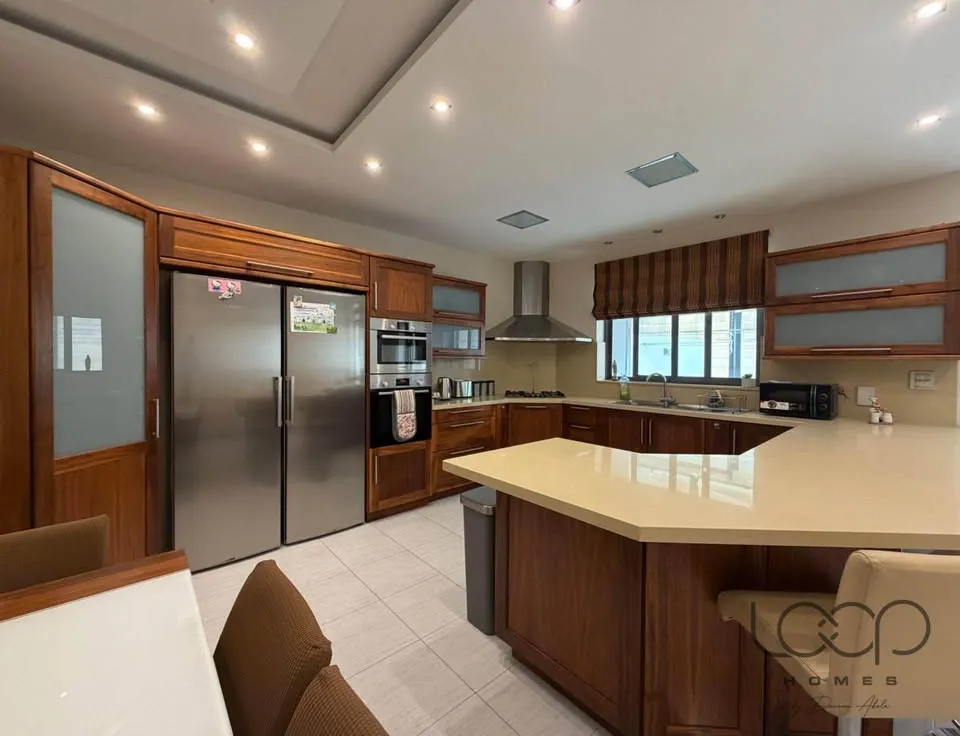
Mosta - Highly Finished 3 Bedroom Apartment
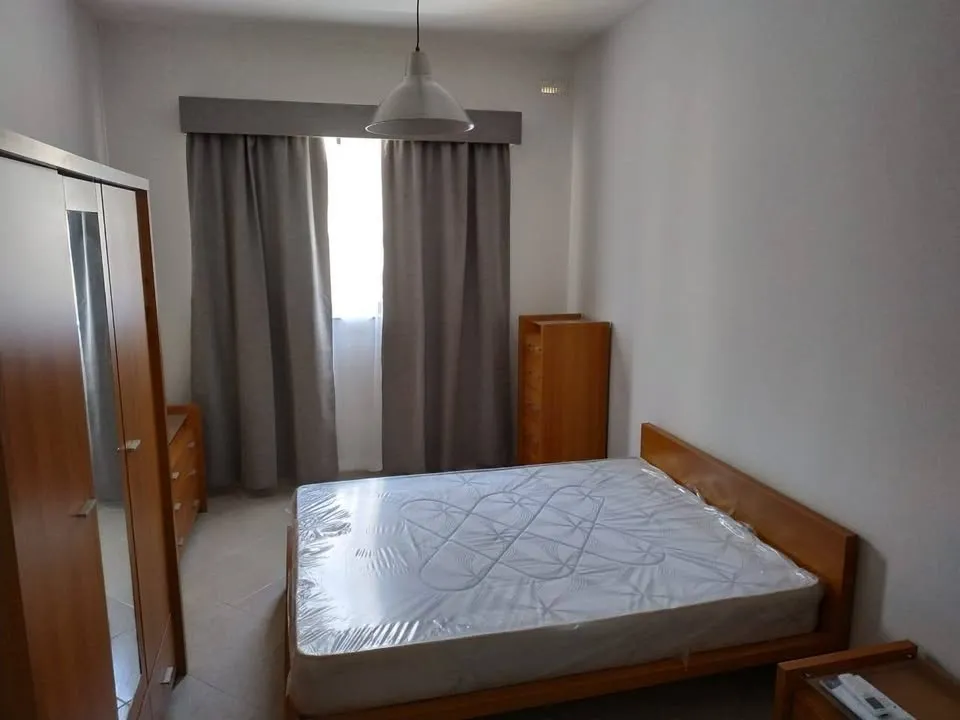
Bright & Beautiful 2-Bedroom Apartment – Mosta
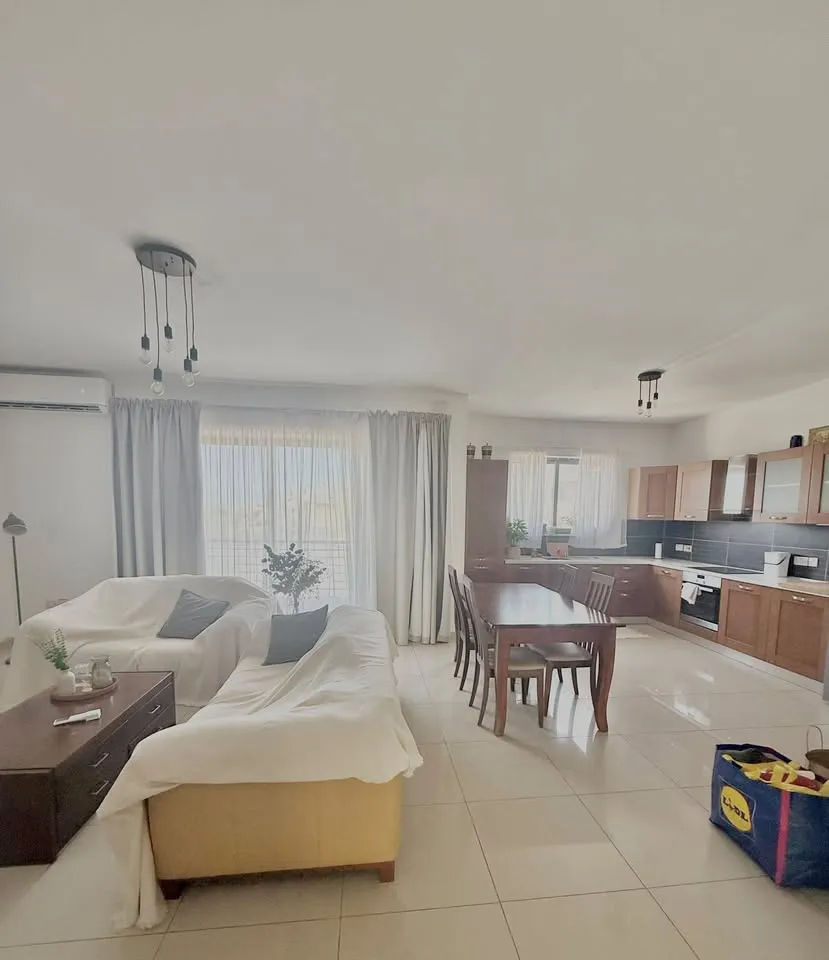
Fantastic End of Summer Deal in Mosta
Qawra (27 listings)
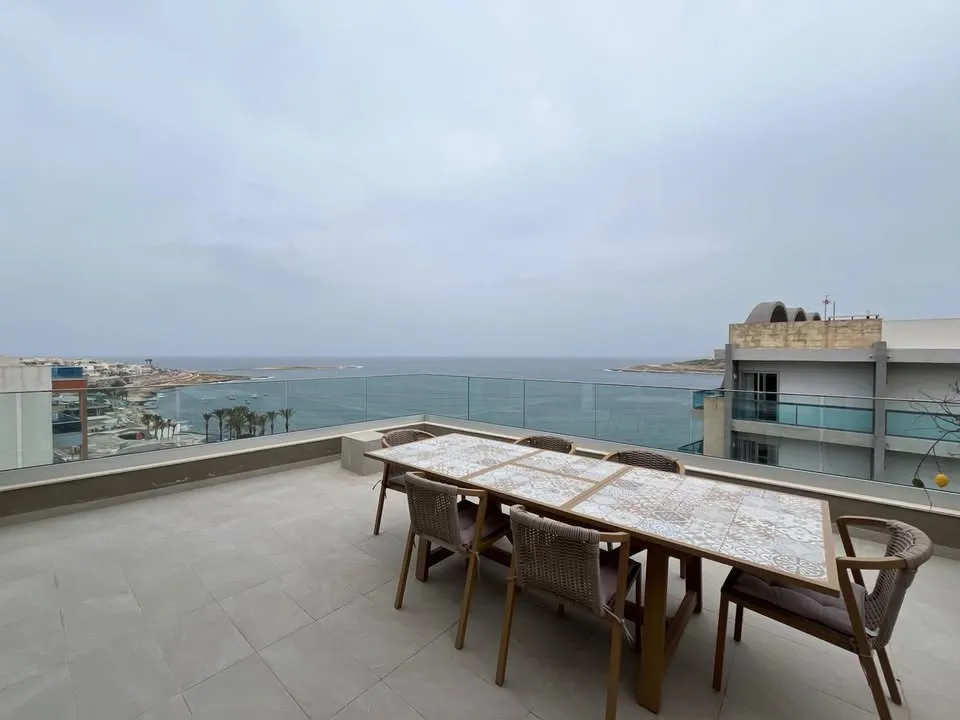
STUNNING 3-BEDROOM SEAFRONT PENTHOUSE – QAWRA
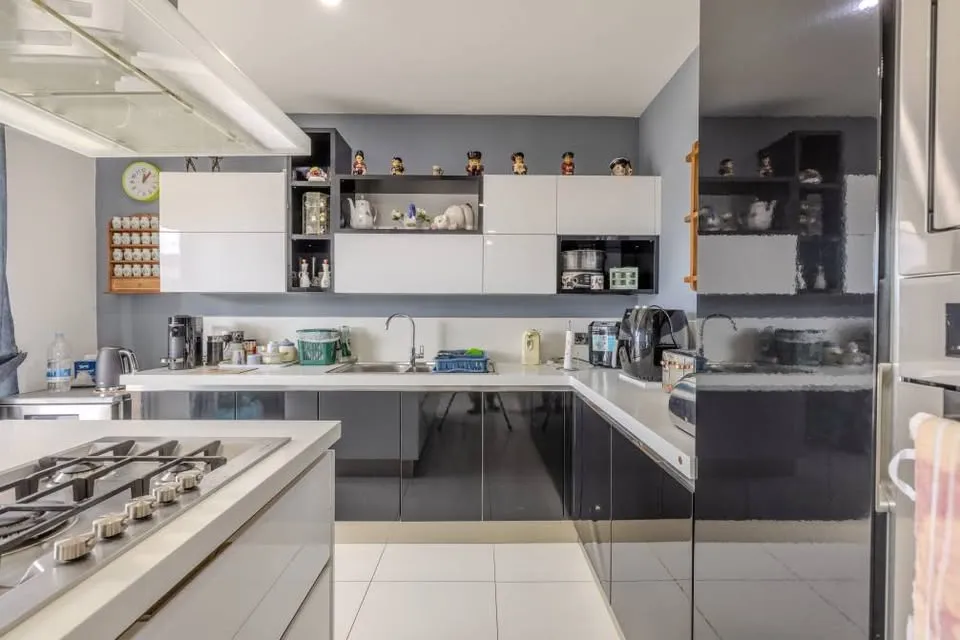
Very well kept apartment in Qawra close to school
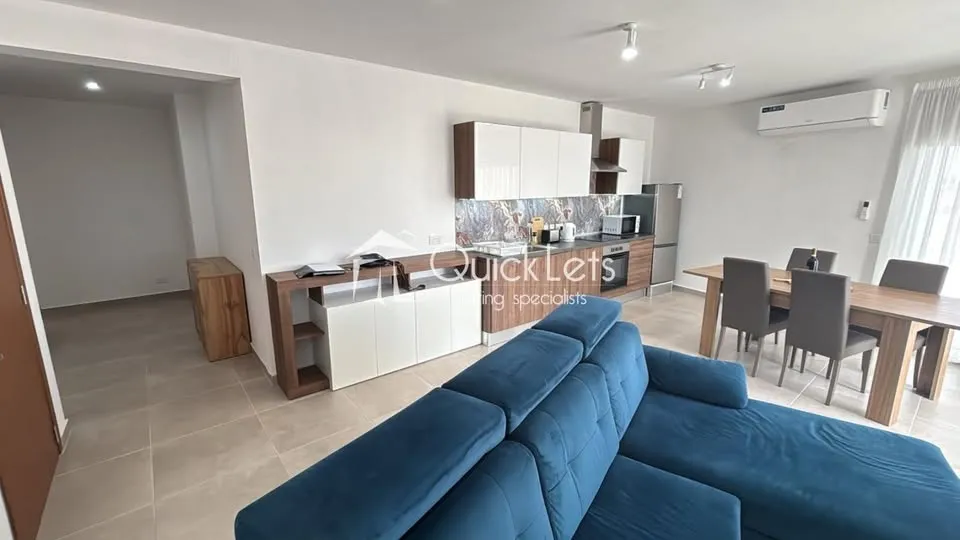
Exquisite one-bedroom penthouse now available