Paola vs Rabat
Side-by-side comparison of property prices, lifestyle, and practical info to help you choose the right area.
Summary
Living in Paola
Paola is a busy southern town that serves as a gateway to the harbour area — the first major settlement you hit coming from the south toward the Three Cities and Valletta. Named after Grand Master Antoine de Paule, who founded it in the 1620s, Paola has evolved into a substantial residential and commercial hub with Malta's law courts, a large shopping district, and some of the island's most important archaeological sites. The Kordin temples and the Hypogeum sit within or near Paola's boundaries, making it archaeologically rich despite its modern appearance. The town's main square and parish church form the traditional centre, but Paola's commercial stretch along the main road is where daily life happens — hardware stores, bakeries, wedding dress shops, and a weekly outdoor market that draws bargain hunters from across Malta. Property in Paola is affordable and practical. The town sits at a transport crossroads — buses to Valletta, the Three Cities, and the south all pass through or near Paola. Corradino prison sits on the hilltop to the east, which affects property values in its immediate vicinity, but the rest of the town offers solid value for money in a well-connected location.
Highlights
- Hal Saflieni Hypogeum — UNESCO underground temple
- Malta's law courts and government offices
- Major bus interchange for southern Malta
- Affordable property with practical convenience
- Large commercial district with outdoor market
Living in Rabat
Rabat is Mdina's neighbour — where the Silent City's walls end, Rabat begins. But where Mdina is a museum piece, Rabat is a living town. The name means 'suburb' in Arabic, a reference to its origins as the residential quarter outside the old capital's walls. Today it's one of Malta's most characterful towns, with a mix of historic architecture, traditional village life, and a growing food scene that draws Maltese from across the island. The town is built on top of a network of catacombs — underground burial chambers dating back to Roman times. St. Paul's Catacombs, where the apostle is said to have sheltered after his shipwreck on Malta, are the most famous, but there are several sites open to visitors. Above ground, Rabat's narrow streets hide grand palazzos, wayside chapels, and the Domus Romana, a reconstructed Roman townhouse with some of the finest mosaics in the Mediterranean. Rabat offers a different pace of life from the coastal towns. Property is more affordable, streets are quieter, and there's a genuine village atmosphere that's disappearing from much of Malta. The trade-off is distance — Rabat sits inland, and reaching Sliema or Valletta takes 25–30 minutes by car. For some, that distance is exactly the point.
Highlights
- St. Paul's Catacombs — underground Roman burial chambers
- Adjacent to Mdina's city walls
- Growing restaurant and cafe scene
- More affordable property than coastal Malta
- Authentic Maltese village atmosphere
Lifestyle Comparison
Which Area Is Right For You?
Choose Paola
Paola comes out ahead in transport .
Choose Rabat
Rabat comes out ahead in dining, family, safety .
Frequently Asked Questions
Available Properties
Paola (2 listings)
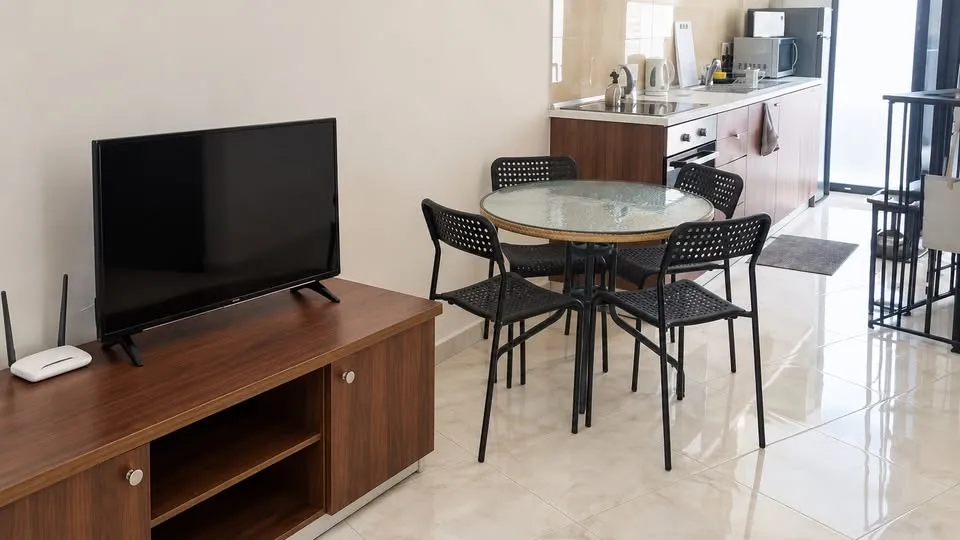
Modern 1-Bedroom Penthouse in Paola
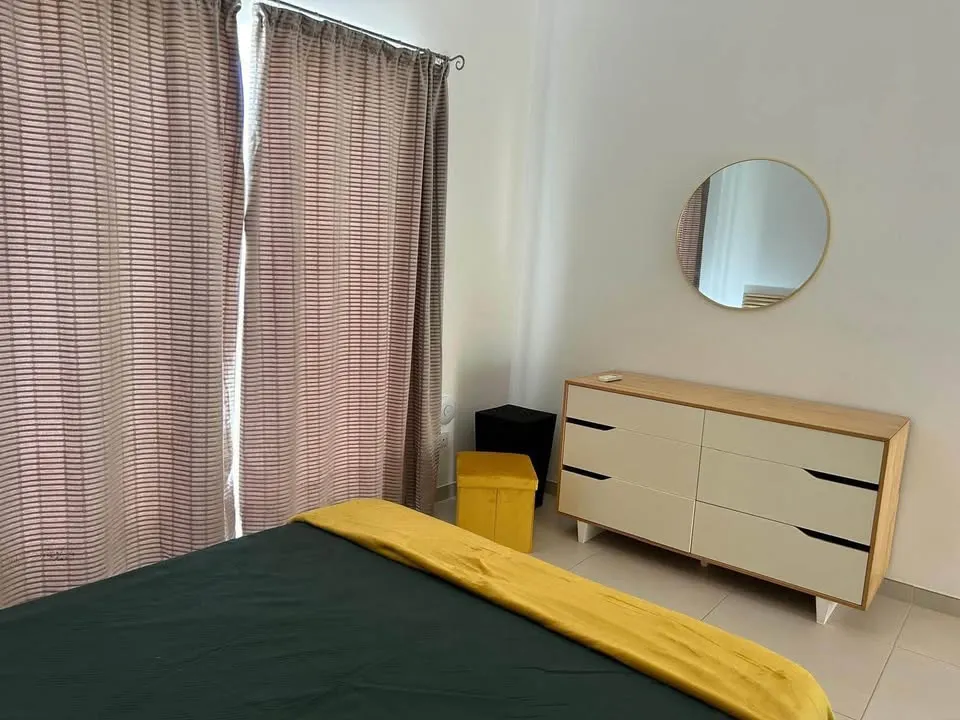
To Rent | Paola
Rabat (9 listings)
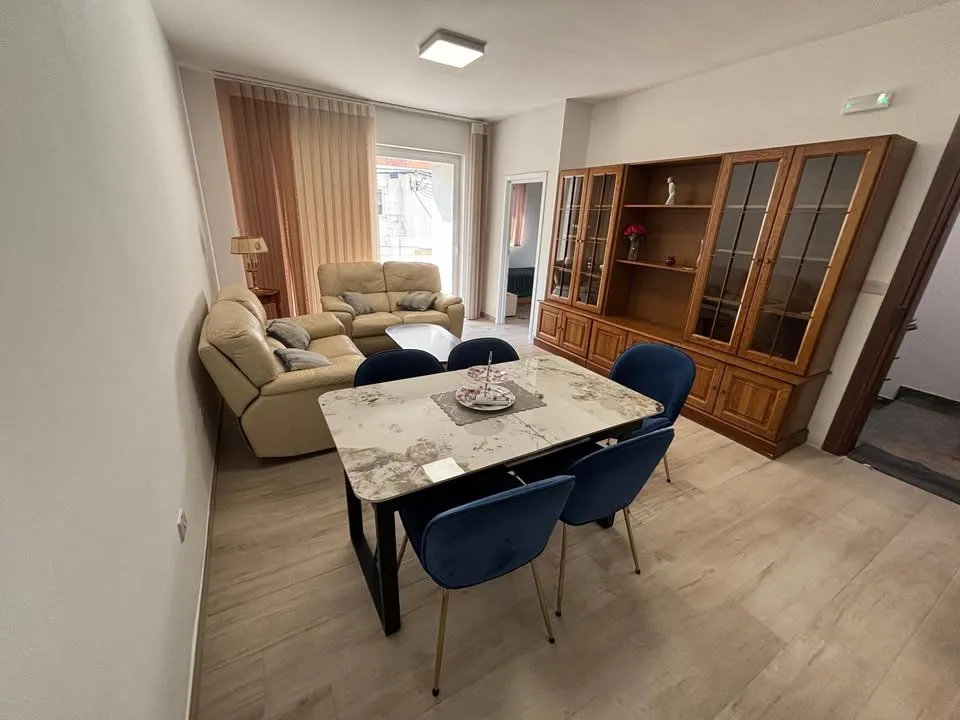
Brand new Property in RABAT
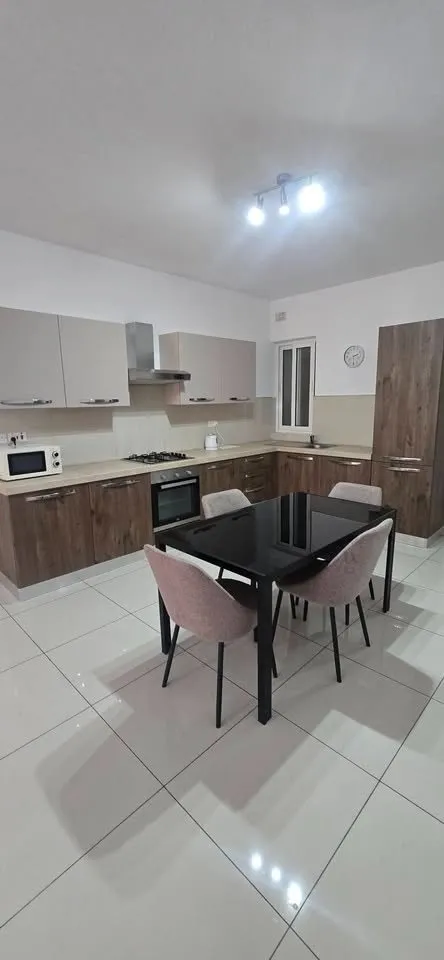
Bahrija Modern Apartment : Bargain!
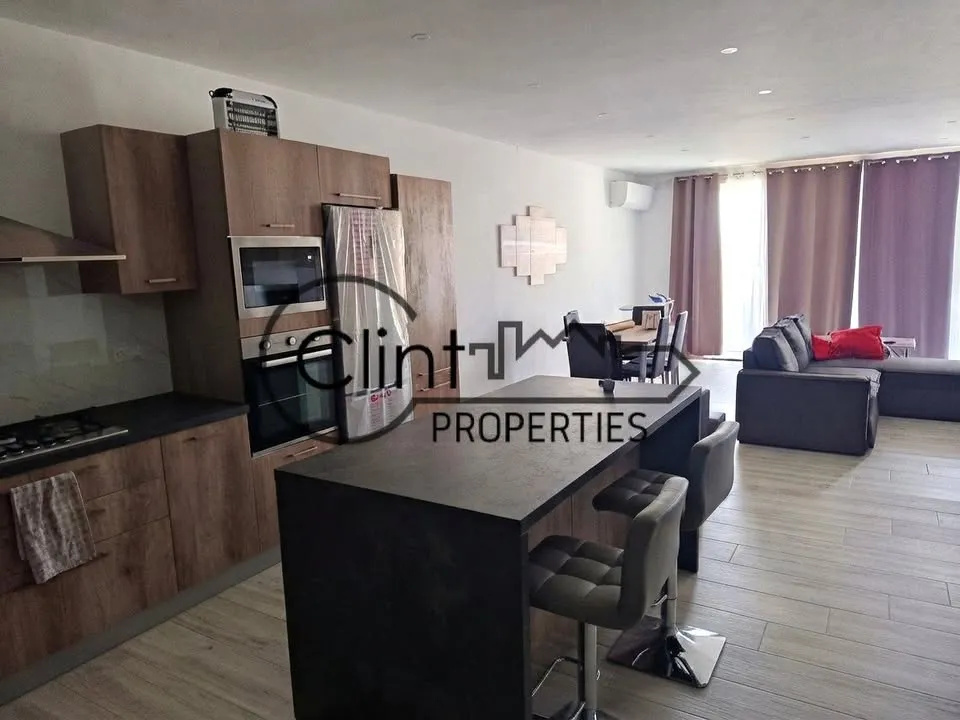
Three Bedroom Apartment in Rabat (Bahrija Area) for Rent