Pieta vs Qawra
Side-by-side comparison of property prices, lifestyle, and practical info to help you choose the right area.
Summary
Pietà sits 15 minutes from the airport by car with a transport rating of 9/10 and direct bus routes to Valletta, Sliema, and the University of Malta. Qawra is further out — a 50-60 minute bus ride to Valletta and 30 minutes from the airport by car — with a transport rating of 7/10. Pietà rates higher for safety (8 vs 6) and family-friendliness (7 vs 6), while Qawra scores better for nightlife (6 vs 4), dining (7 vs 6), and beaches (4 vs 3). Pietà has no swimming facilities despite its waterfront location; Qawra offers rocky swimming along Malta's longest northern seafront promenade.
Pietà suits medical professionals, university students, and budget buyers wanting a central base near Mater Dei Hospital with steady rental demand. Its population of 3,100 keeps it compact and functional. Qawra, with 8,000 residents, attracts tourists, retirees seeking affordable coastal rents, and buyers wanting relaxed promenade living near the Malta National Aquarium, though summers bring heavier tourist crowds and winters quieten significantly.
Living in Pieta
Pietà is a small harbourside locality that sits on the inlet between Msida and Floriana — a narrow strip of waterfront that packs in Malta's general hospital, a yacht marina, and a stretch of seafront promenade into a compact area. The name means 'piety' in Italian, taken from the Wayside Chapel of Our Lady of Sorrows that once served sailors entering Marsamxett Harbour. The town's significance is out of proportion to its size. Mater Dei Hospital is Malta's primary healthcare facility, and the surrounding area has developed to serve the thousands of staff, patients, and visitors who pass through daily. The yacht marina sits on the opposite side of the inlet, with boatyards and chandleries that serve Malta's sizeable recreational sailing community. Property in Pietà is functional and mid-priced. The hospital drives rental demand from medical staff, and the seafront location adds modest premium. It's not a destination neighbourhood, but it's well-positioned — walkable to Msida, the university, and a short bus ride to Valletta.
Highlights
- Mater Dei Hospital — Malta's primary healthcare facility
- Yacht marina and boatyard
- Walkable to the University of Malta
- Seafront promenade
- Strong rental demand from medical professionals
Living in Qawra
Qawra is the quieter neighbour of Bugibba — a coastal resort area on St. Paul's Bay that shares the same tourist infrastructure but with a more relaxed pace. The name means 'rounded' in Maltese, referring to the shape of the rocky peninsula that juts into the sea. Where Bugibba is loud and commercial, Qawra is slightly more subdued, with a long coastal promenade, rocky swimming platforms, and a cluster of hotels and apartment blocks. The Qawra promenade is one of the longest continuous seafront walks in Malta, stretching from Bugibba's aquarium all the way to Salina Bay. The salt pans at Salina are one of the oldest in Malta, still producing sea salt using traditional methods. The Qawra Point tower, a Knights-era watchtower, sits at the tip of the peninsula. Property in Qawra mirrors Bugibba's market — affordable purchase prices and solid rental yields from tourist demand. The area is popular with British retirees and long-stay visitors who prefer Qawra's slightly calmer atmosphere over Bugibba's bustle. Winter occupancy is better than most Maltese resorts thanks to the retiree community.
Highlights
- Longest seafront promenade in northern Malta
- Salina salt pans — traditional sea salt production
- Knights-era watchtower at Qawra Point
- Steady rental yields from retiree community
- Slightly quieter alternative to neighbouring Bugibba
Lifestyle Comparison
Which Area Is Right For You?
Choose Pieta
Pieta comes out ahead in family, safety, transport .
Choose Qawra
Qawra comes out ahead in dining, beaches, nightlife .
Frequently Asked Questions
Available Properties
Pieta (12 listings)
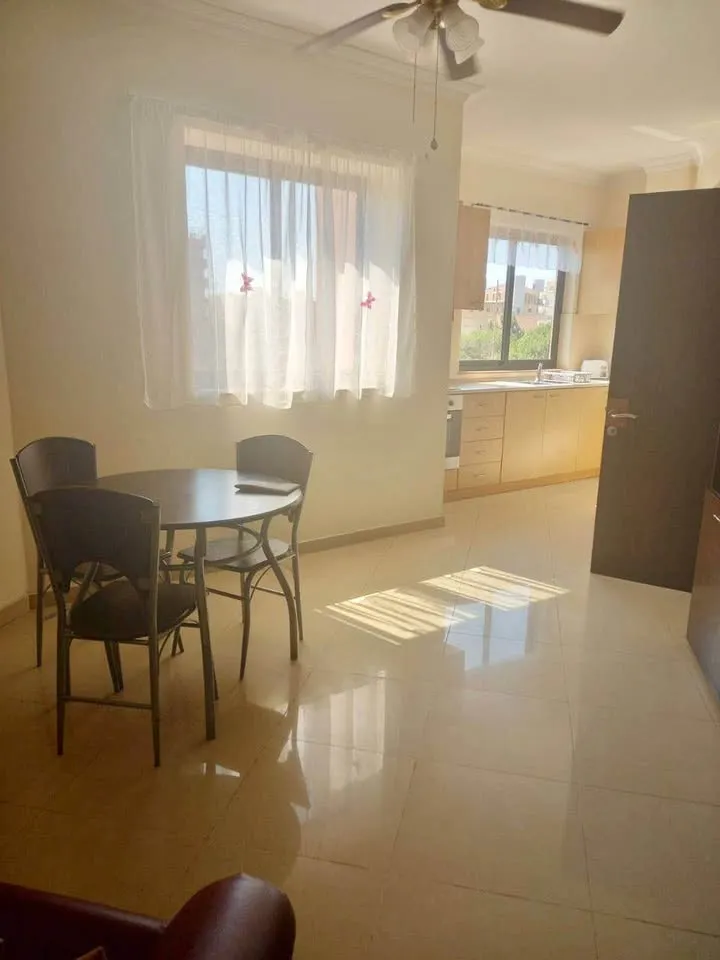
PIETÀ - SEAFRONT APARTMENT FOR RENT
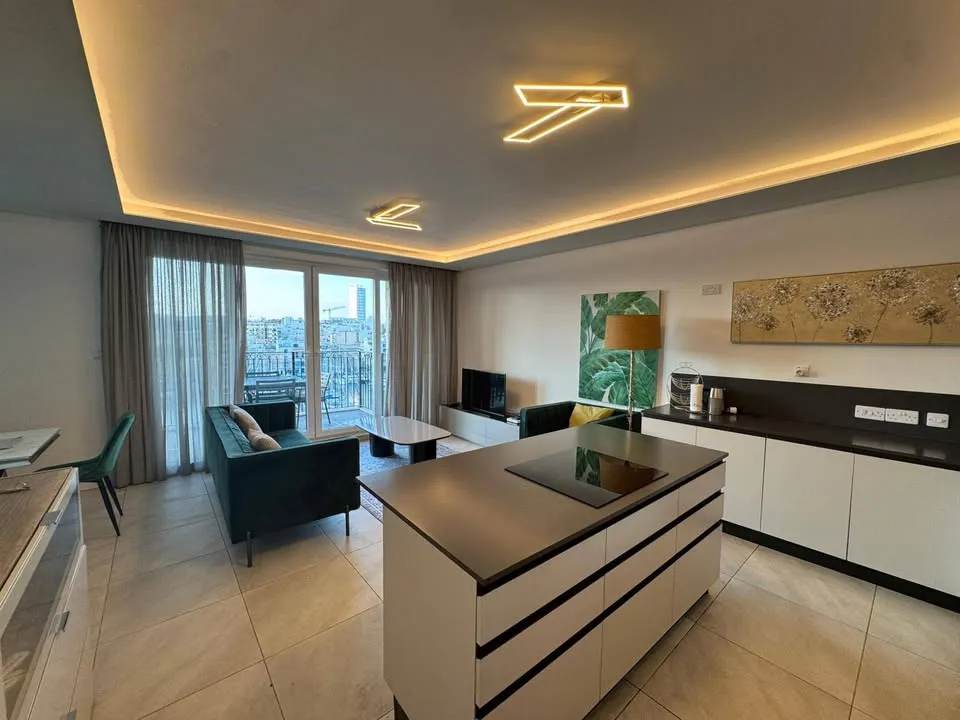
Beautiful Highly Finished 2 Bedroom Apartment in Pieta

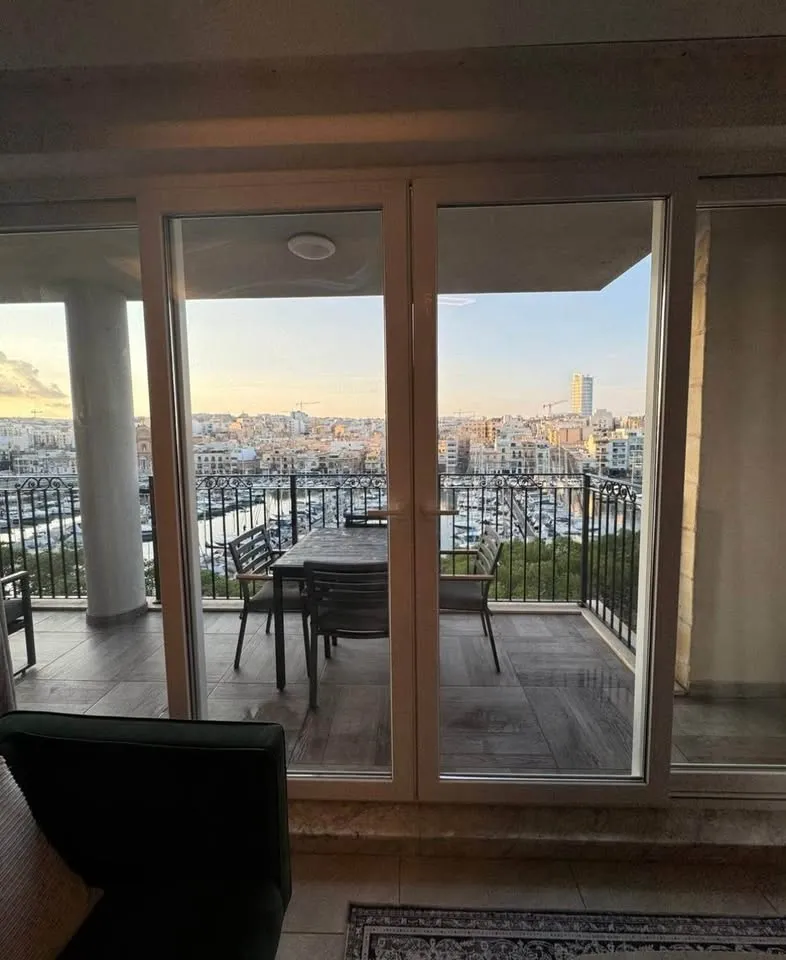
PIETA APARTMENT FOR RENT
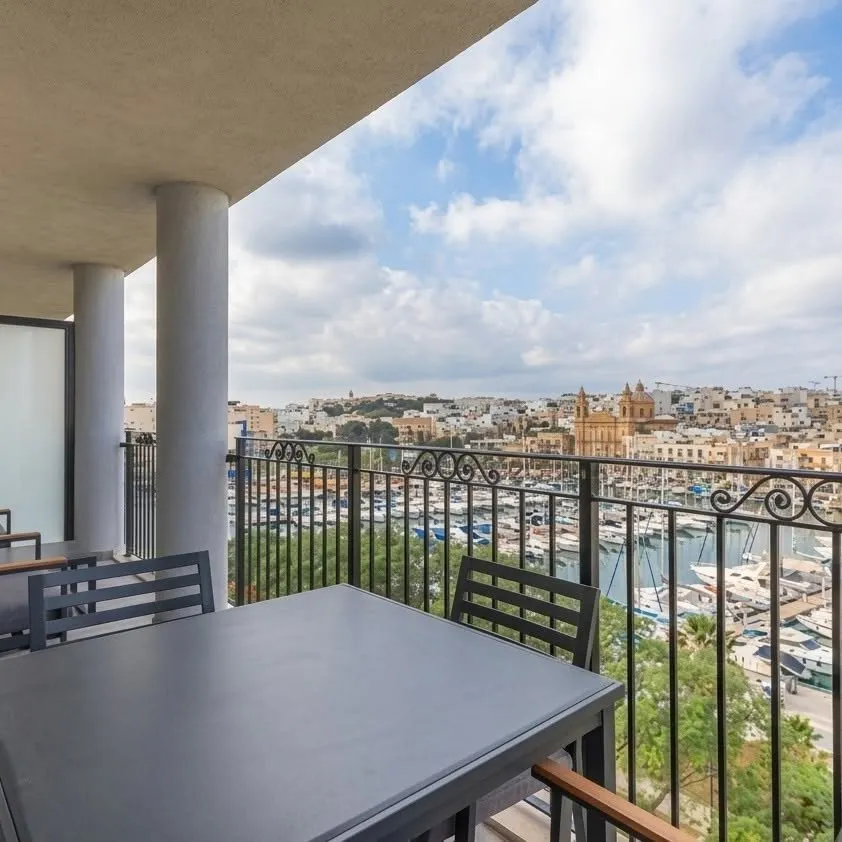
SEAFRONT - 2 Bedroom Apartment in Pieta
Qawra (26 listings)
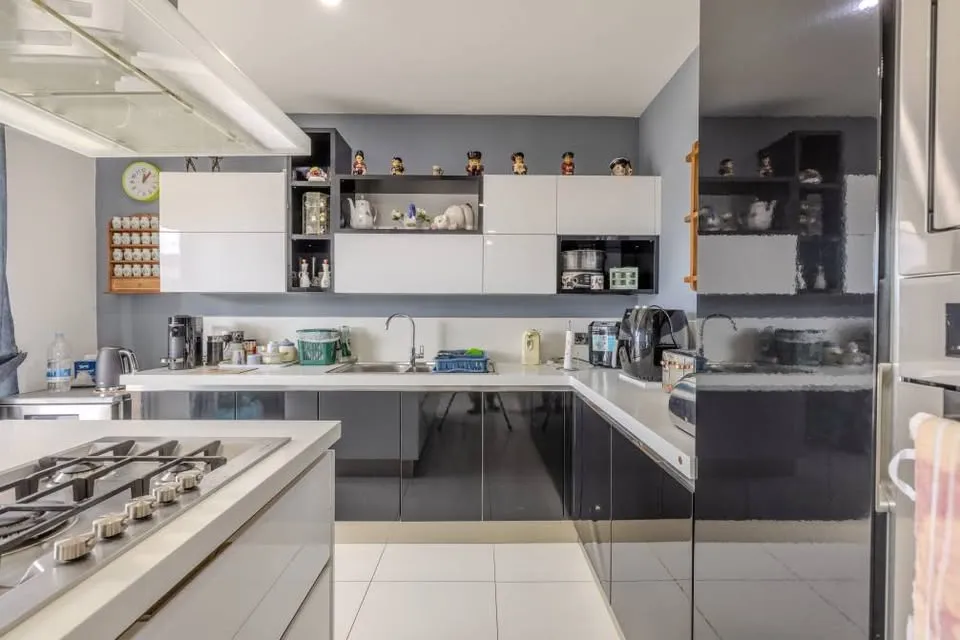
Very well kept apartment in Qawra close to school
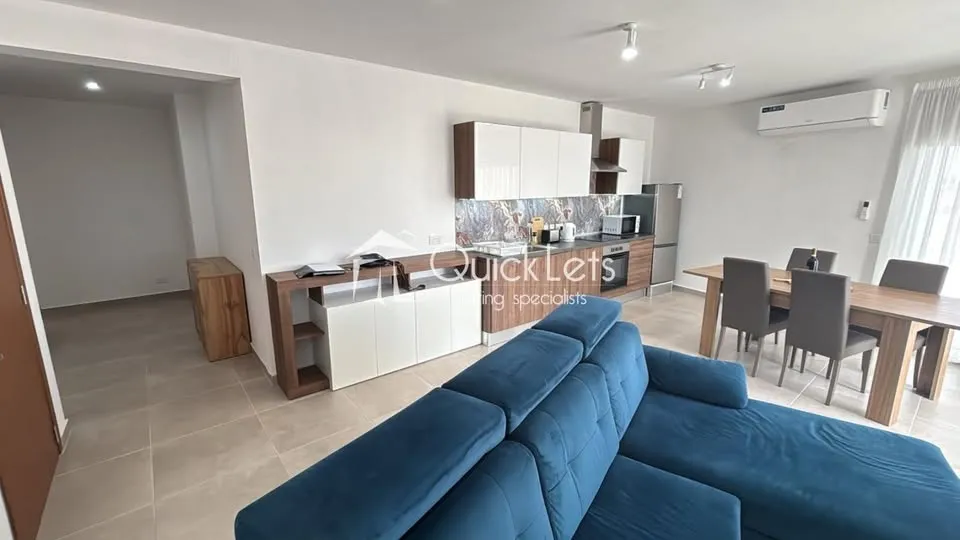
Exquisite one-bedroom penthouse now available
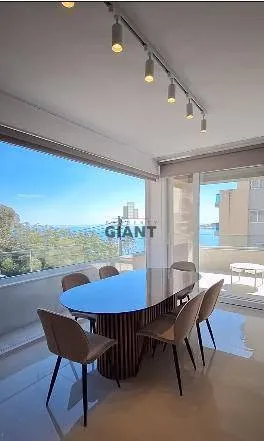
3 Bedroom Apartment in Qawra