Pieta vs St. Paul's Bay
Side-by-side comparison of property prices, lifestyle, and practical info to help you choose the right area.
Summary
Pietà sits roughly 13 km southeast of St. Paul's Bay and functions as a compact harbourside hub. Transport is rated 9/10, with buses to Valletta and Sliema and a 15-minute drive to the airport. It scores highest for convenience near Mater Dei Hospital and the University of Malta, making it ideal for students and hospital workers. The trade-off is limited nightlife (4/10) and no beach access (3/10). Property is mid-priced with steady rental demand from medical professionals.
St. Paul's Bay, Malta's largest northern coastal town with 25,700 residents, offers beaches rated 7/10 alongside budget-friendly property. Transport scores 8/10 with direct buses to Valletta and a 30-minute drive to the airport. It provides a year-round community, rocky beaches, and extensive amenities, though summer crowds and parking pressure in Bugibba and Qawra are notable drawbacks. Family ratings match Pietà at 7/10, but St. Paul's Bay delivers significantly more coastal recreation for the price.
Living in Pieta
Pietà is a small harbourside locality that sits on the inlet between Msida and Floriana — a narrow strip of waterfront that packs in Malta's general hospital, a yacht marina, and a stretch of seafront promenade into a compact area. The name means 'piety' in Italian, taken from the Wayside Chapel of Our Lady of Sorrows that once served sailors entering Marsamxett Harbour. The town's significance is out of proportion to its size. Mater Dei Hospital is Malta's primary healthcare facility, and the surrounding area has developed to serve the thousands of staff, patients, and visitors who pass through daily. The yacht marina sits on the opposite side of the inlet, with boatyards and chandleries that serve Malta's sizeable recreational sailing community. Property in Pietà is functional and mid-priced. The hospital drives rental demand from medical staff, and the seafront location adds modest premium. It's not a destination neighbourhood, but it's well-positioned — walkable to Msida, the university, and a short bus ride to Valletta.
Highlights
- Mater Dei Hospital — Malta's primary healthcare facility
- Yacht marina and boatyard
- Walkable to the University of Malta
- Seafront promenade
- Strong rental demand from medical professionals
Living in St. Paul's Bay
St. Paul's Bay is Malta's largest northern coastal town — a sprawling stretch of shoreline that encompasses the old fishing village of Xemxija, the tourist strips of Bugibba and Qawra, and the residential community of Burmarrad inland. According to the Bible, St. Paul was shipwrecked here in AD 60, an event that brought Christianity to Malta and gave the area its name. The town has grown explosively over the past two decades, transforming from a quiet seasonal resort into a year-round community of over 25,000 residents. Retired British expats, Maltese families priced out of the central coast, and a growing number of foreign workers have all settled here, drawn by coastal living at more manageable prices than Sliema or St. Julian's. The waterfront is the town's main asset — a long promenade connecting the old fisherman's quay to Bugibba's square to Qawra's rocky beaches. The Malta National Aquarium sits at the Bugibba end, and the Xemxija Heritage Walk traces ancient cart ruts and Roman roads into the hills. Properties range from modern seafront apartments to older terraced houses inland, with prices significantly below the central coast.
Highlights
- Malta's largest coastal town by population
- Biblical shipwreck site of St. Paul
- Malta National Aquarium at Bugibba
- Rocky beaches and coastal promenade
- More affordable than the central coast
Lifestyle Comparison
Which Area Is Right For You?
Choose Pieta
Pieta comes out ahead in transport .
Choose St. Paul's Bay
St. Paul's Bay comes out ahead in beaches, nightlife .
Frequently Asked Questions
Available Properties
Pieta (12 listings)
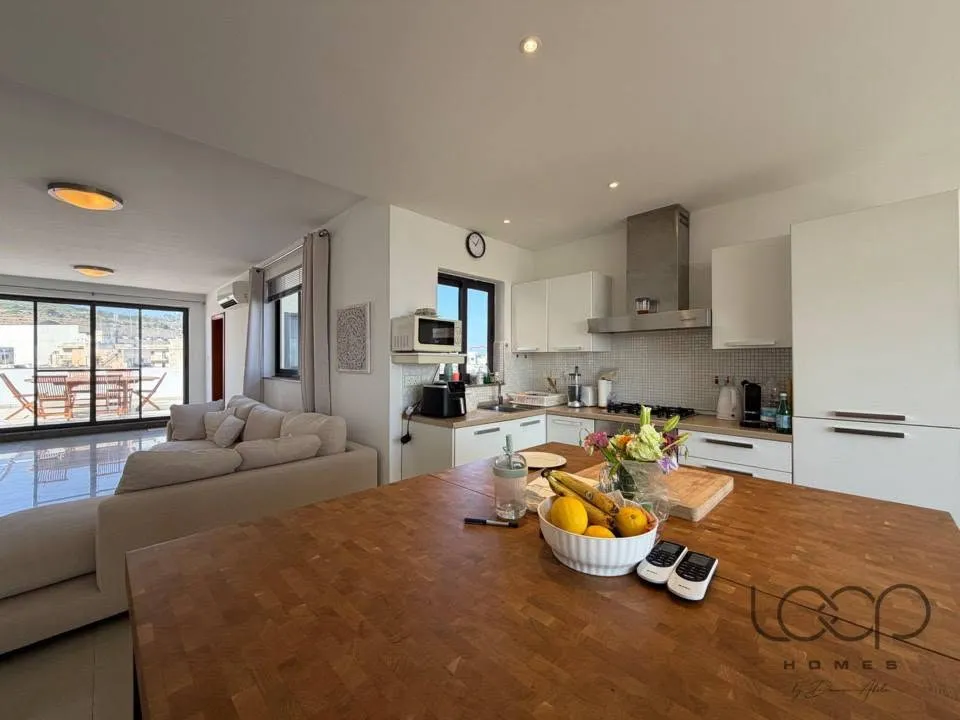
PIETÀ - SEAFRONT APARTMENT FOR RENT
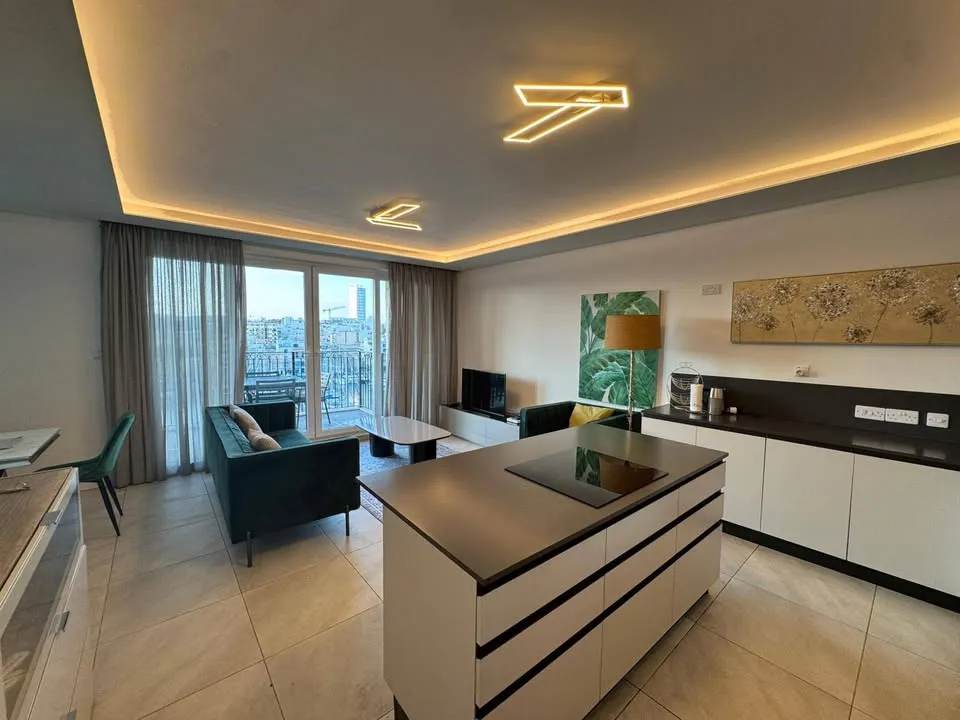
Beautiful Highly Finished 2 Bedroom Apartment in Pieta

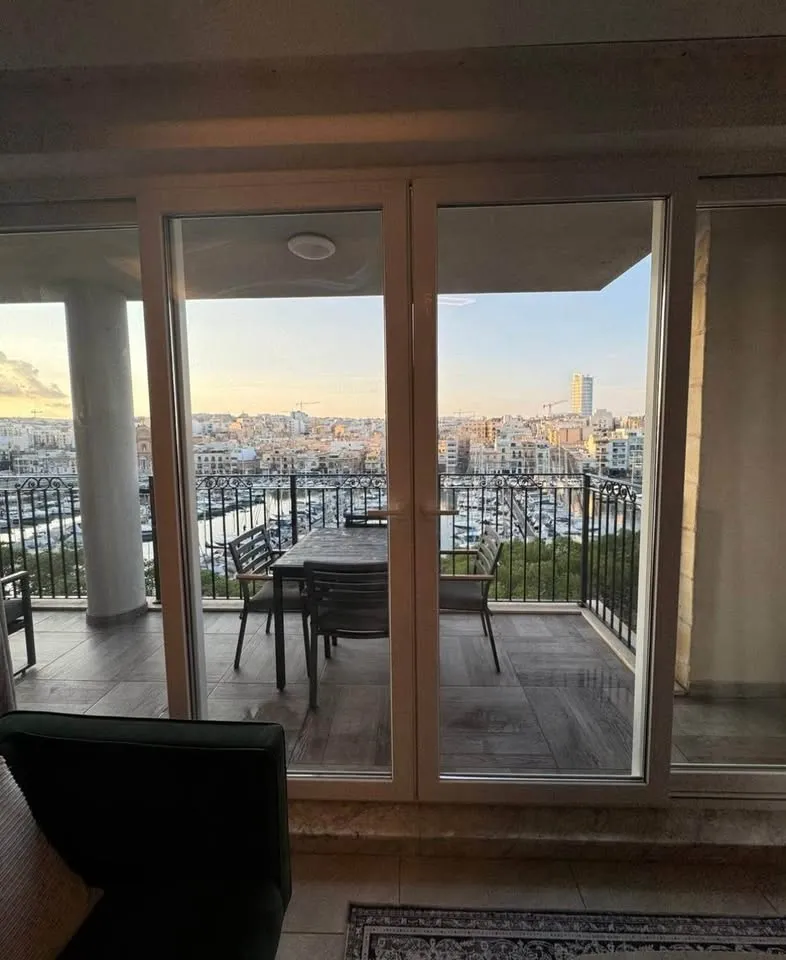
PIETA APARTMENT FOR RENT
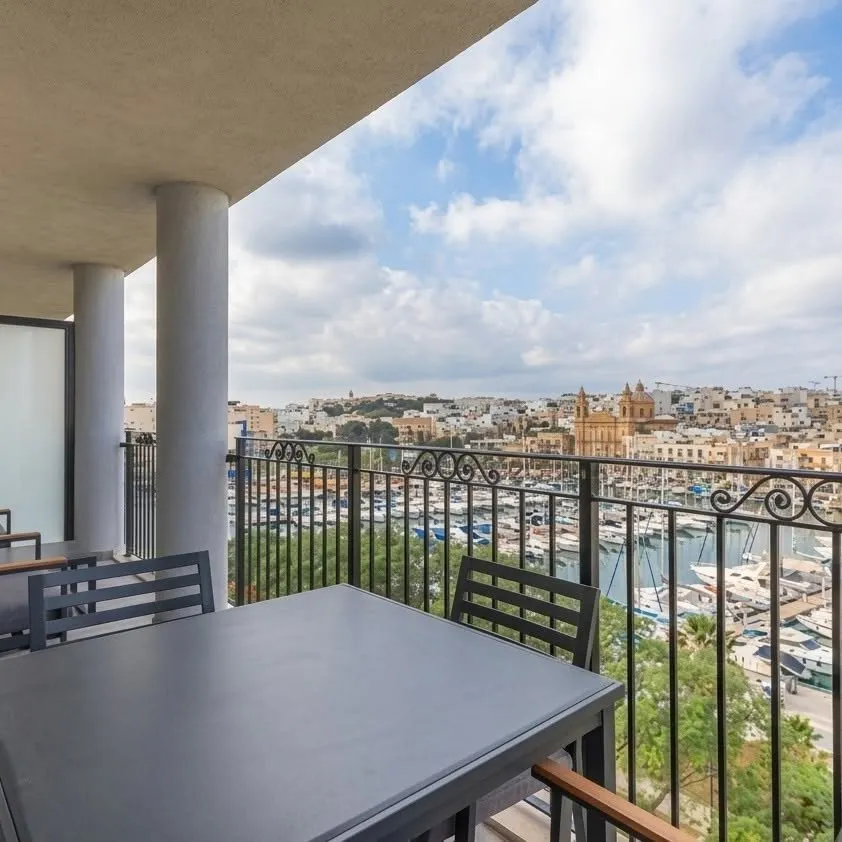
SEAFRONT - 2 Bedroom Apartment in Pieta
St. Paul's Bay (51 listings)
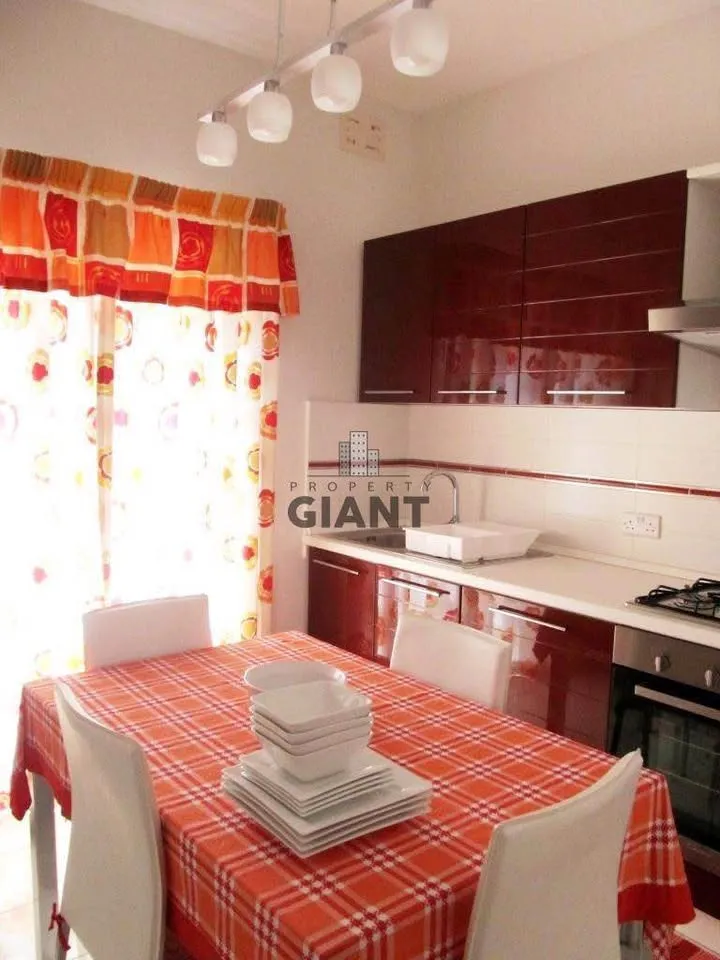
1 Bedroom Apartment in St. Paul's Bay
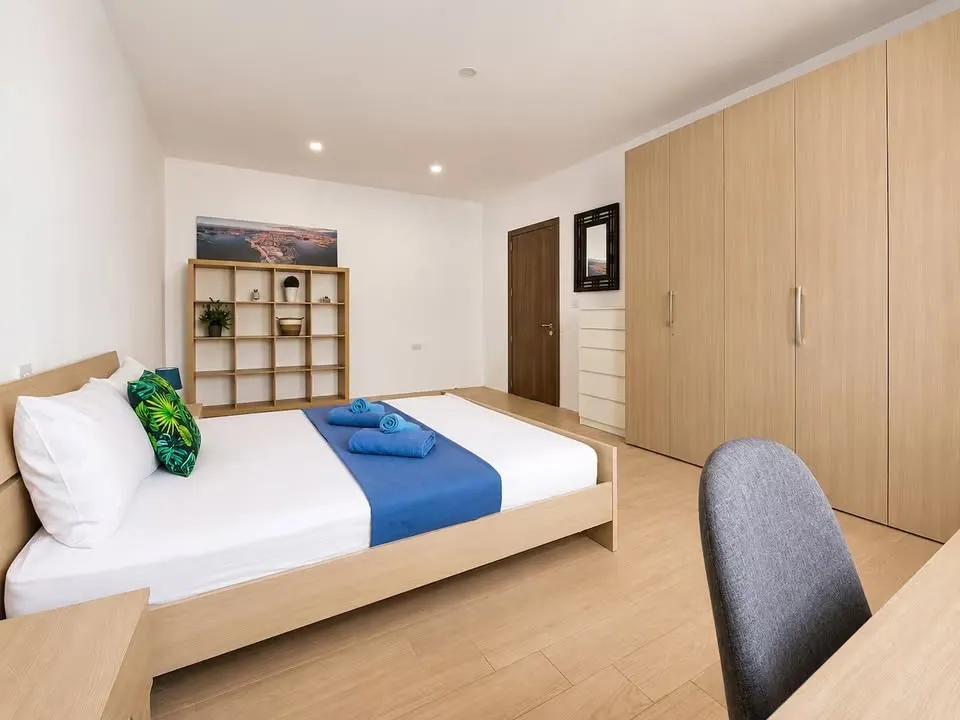
Bedroom with private bathroom in shared apartment
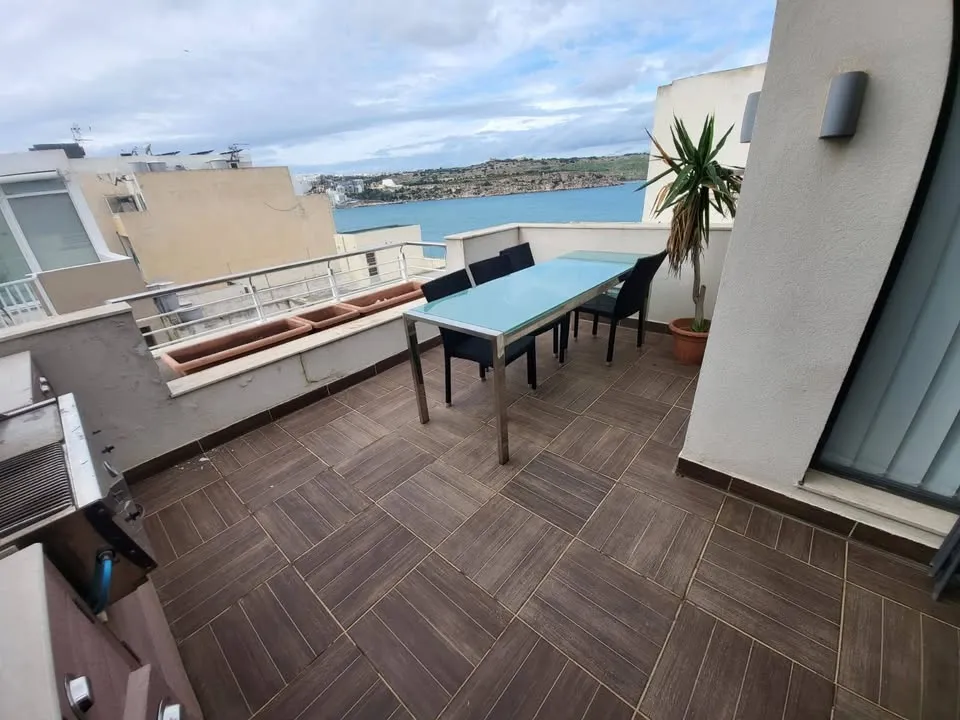
Duplex Penthouse in San Pawl il-Baħar