Qawra vs Zebbug
Side-by-side comparison of property prices, lifestyle, and practical info to help you choose the right area.
Summary
Qawra is better for retirees and tourists seeking coastal resort living, while Żebbuġ suits families wanting affordable hilltop homes with strong community character. Qawra sits on Malta's northern coast with a relaxed promenade, rocky swimming spots, and a population of 8,000. Żebbuġ is an inland hilltop town of 12,100 residents, positioned roughly 9 km south, with Phoenician roots and cooler breezes at elevation.
Qawra rates higher for nightlife (6/10 vs 3/10), transport (7/10 vs 5/10), and dining (7/10 vs 6/10). Żebbuġ scores better for family life (8/10 vs 6/10) and safety (8/10 vs 6/10). Both areas share a 4/10 beach rating. Qawra is 30 minutes from Malta International Airport by car and connected to Valletta by bus routes 48, 49, 58, and 250. Żebbuġ is only 15 minutes from the airport and served by routes 61 and 62 from Valletta.
Qawra offers some of Malta's most affordable coastal rents with steady yields from a loyal retiree community, though it gets crowded in summer. Żebbuġ provides cheaper property than harbour areas and full amenities including schools, but a car is essential and commutes to Sliema face heavy central Malta traffic.
Living in Qawra
Qawra is the quieter neighbour of Bugibba — a coastal resort area on St. Paul's Bay that shares the same tourist infrastructure but with a more relaxed pace. The name means 'rounded' in Maltese, referring to the shape of the rocky peninsula that juts into the sea. Where Bugibba is loud and commercial, Qawra is slightly more subdued, with a long coastal promenade, rocky swimming platforms, and a cluster of hotels and apartment blocks. The Qawra promenade is one of the longest continuous seafront walks in Malta, stretching from Bugibba's aquarium all the way to Salina Bay. The salt pans at Salina are one of the oldest in Malta, still producing sea salt using traditional methods. The Qawra Point tower, a Knights-era watchtower, sits at the tip of the peninsula. Property in Qawra mirrors Bugibba's market — affordable purchase prices and solid rental yields from tourist demand. The area is popular with British retirees and long-stay visitors who prefer Qawra's slightly calmer atmosphere over Bugibba's bustle. Winter occupancy is better than most Maltese resorts thanks to the retiree community.
Highlights
- Longest seafront promenade in northern Malta
- Salina salt pans — traditional sea salt production
- Knights-era watchtower at Qawra Point
- Steady rental yields from retiree community
- Slightly quieter alternative to neighbouring Bugibba
Living in Zebbug
Haz-Zebbug is one of Malta's largest inland towns — a substantial hilltop community on the western side of the island with a history stretching back to Phoenician times. The name means 'olives' in Maltese, and the town was once surrounded by olive groves that produced oil exported across the Mediterranean. A Phoenician tomb discovered in the town centre contained gold jewellery now displayed in the Valletta museum. The town centre is built around a large square with an impressive parish church dedicated to St. Philip. The church contains works by Mattia Preti and other notable Maltese artists, reflecting the town's historical wealth from olive oil and cotton production. The surrounding streets have a mix of traditional townhouses and modern developments, though Zebbug retains a stronger village character than its size would suggest. Property in Zebbug is affordable and practical. The hilltop position offers views and cooler breezes, and the town has full amenities including schools, shops, and medical services. It's a 20-minute drive to Valletta, and the western position gives easy access to Rabat, Mdina, and Dingli.
Highlights
- Phoenician gold jewellery discovered in town-centre tomb
- One of Malta's largest inland towns
- Parish church with works by Mattia Preti
- Hilltop position with views and breezes
- Affordable property with full amenities
Lifestyle Comparison
Which Area Is Right For You?
Choose Qawra
Qawra comes out ahead in dining, nightlife, transport .
Choose Zebbug
Zebbug comes out ahead in family, safety .
Frequently Asked Questions
Available Properties
Qawra (26 listings)
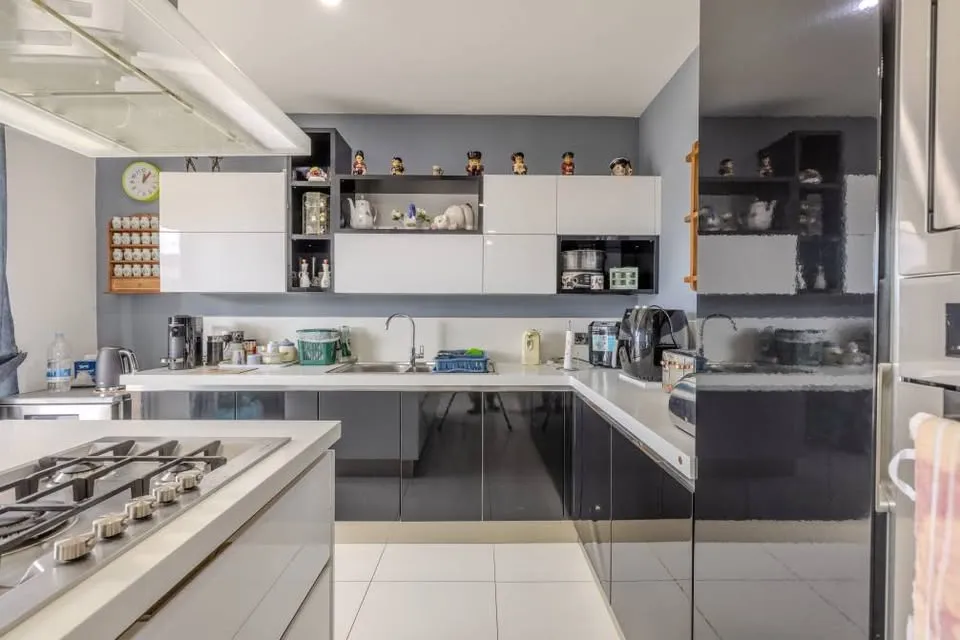
Very well kept apartment in Qawra close to school
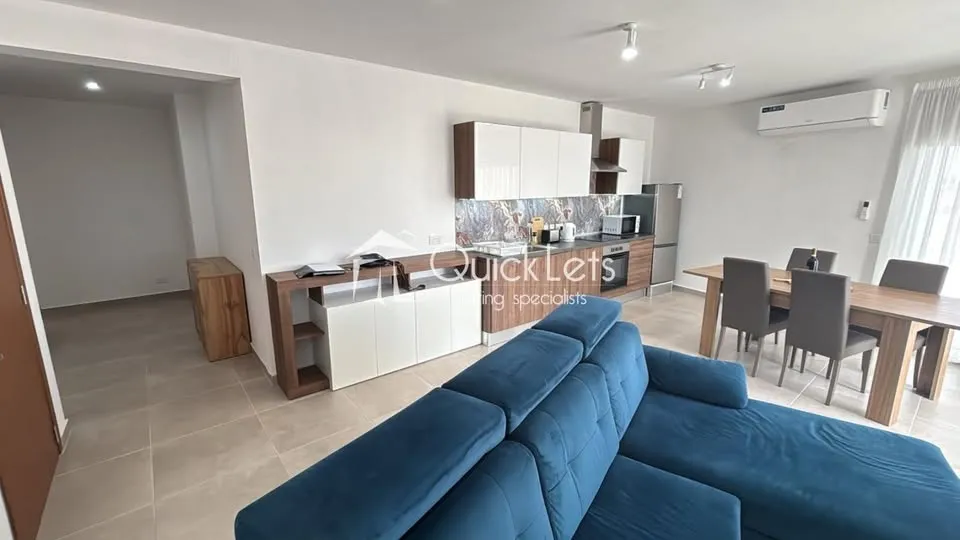
Exquisite one-bedroom penthouse now available
3 Bedroom Apartment in Qawra
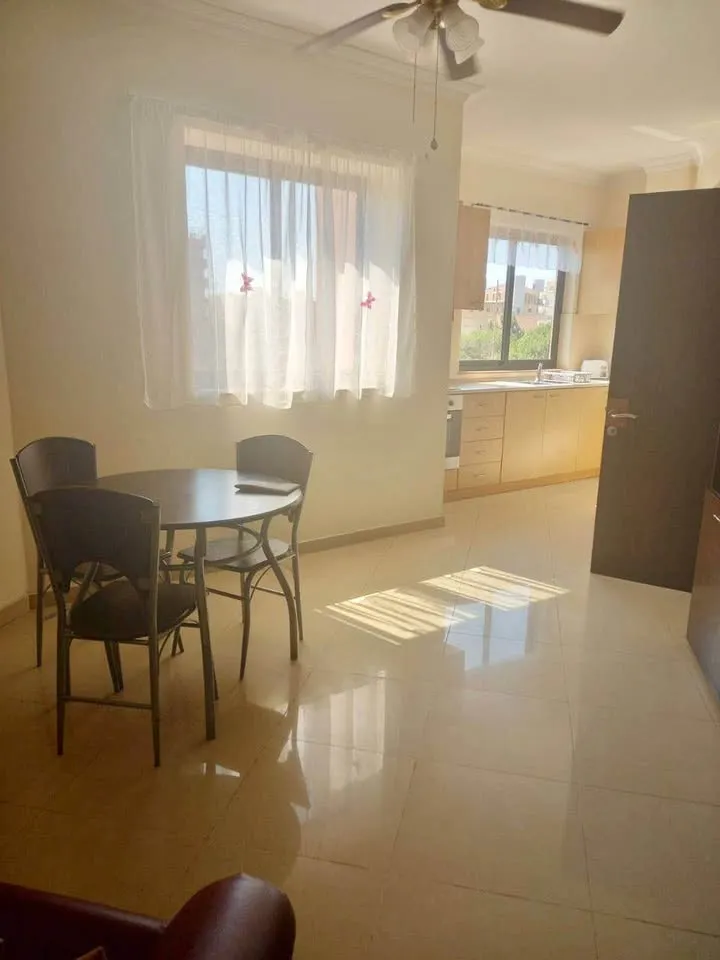
Qawra Modern Apartment close All Amenities
Zebbug (10 listings)
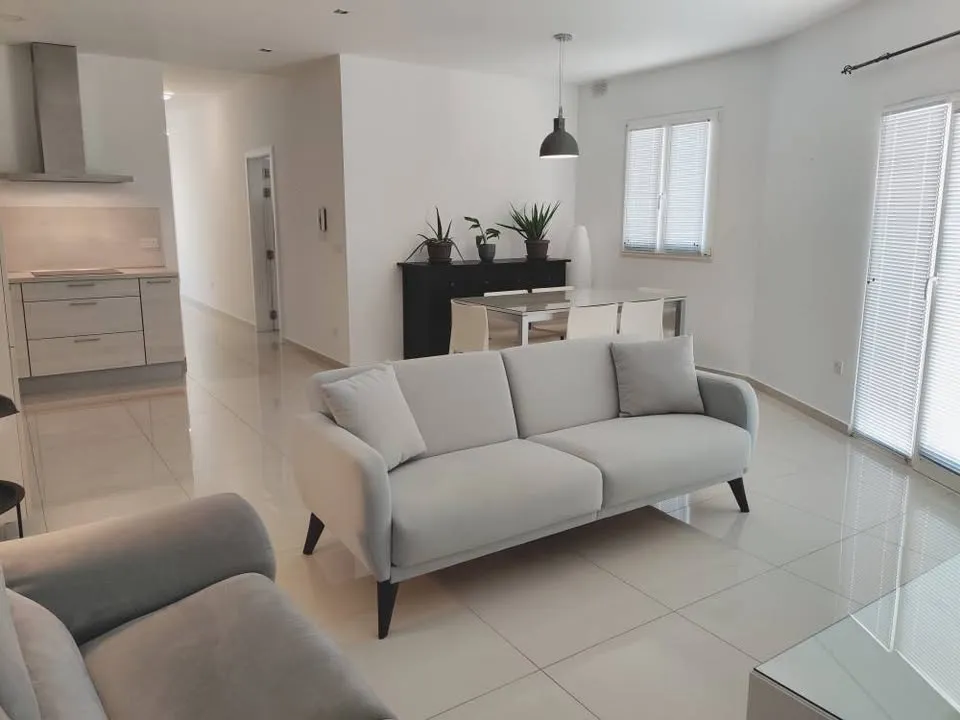
VERY RARELY ON THE MARKET ZEBBUG
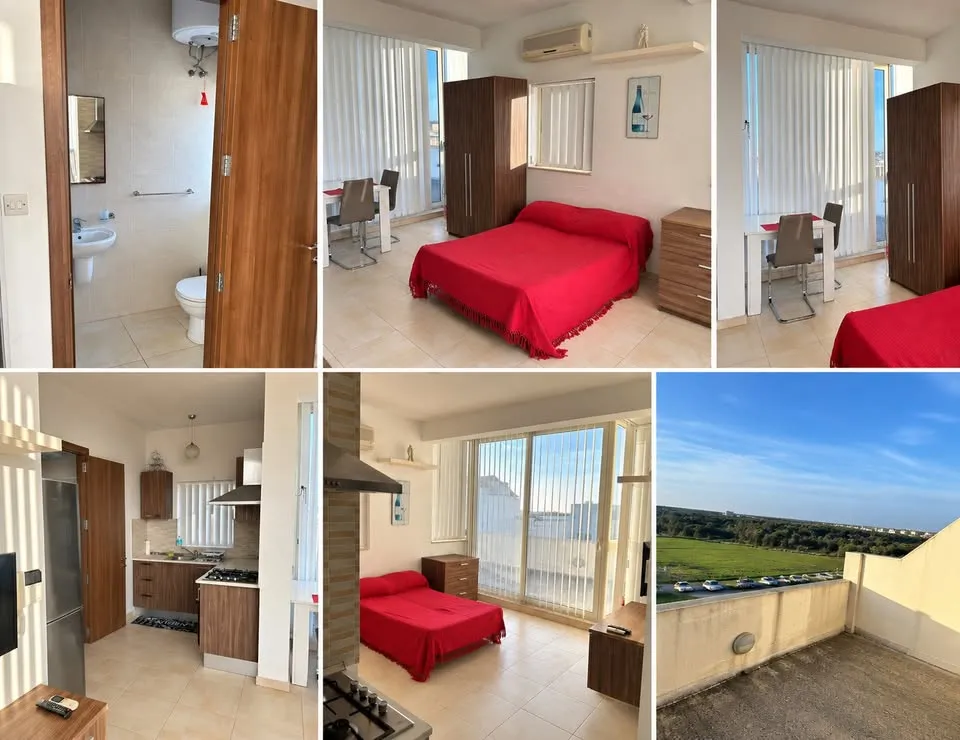
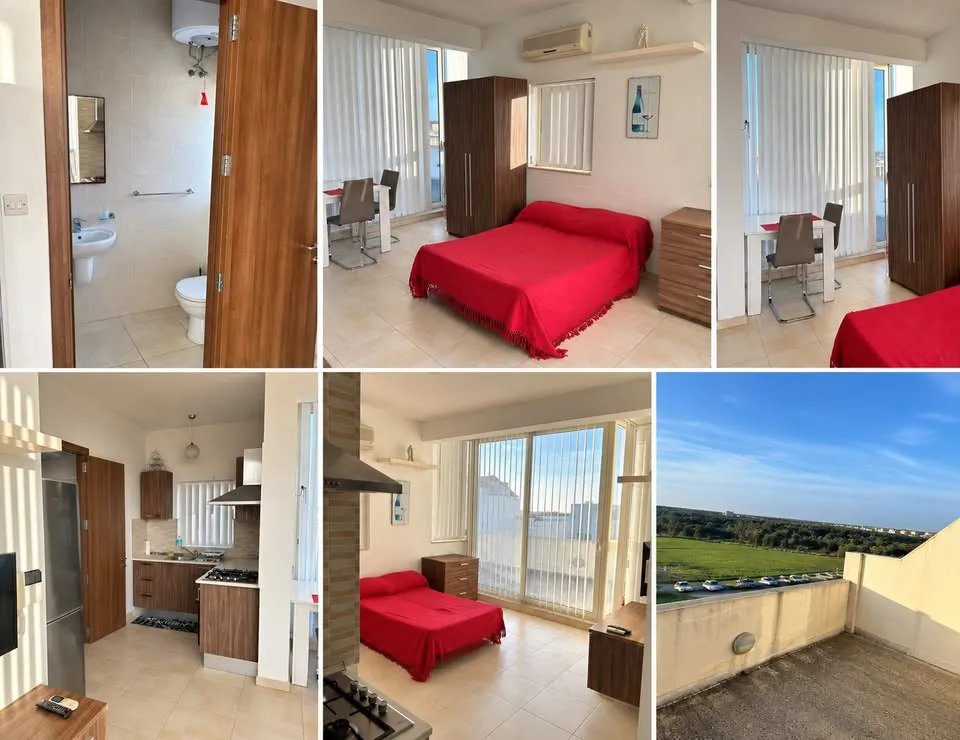
ŻEBBUĠ | Studio Penthouse with Countryside Views
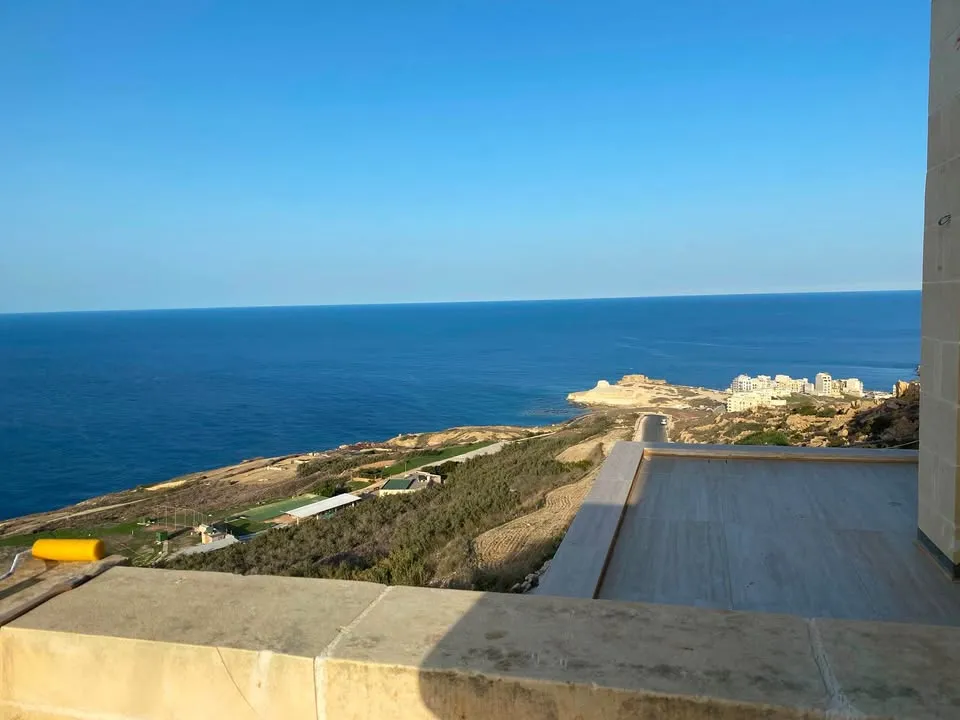
ŻEBBUĠ, GOZO – CLIFF-EDGE APARTMENT