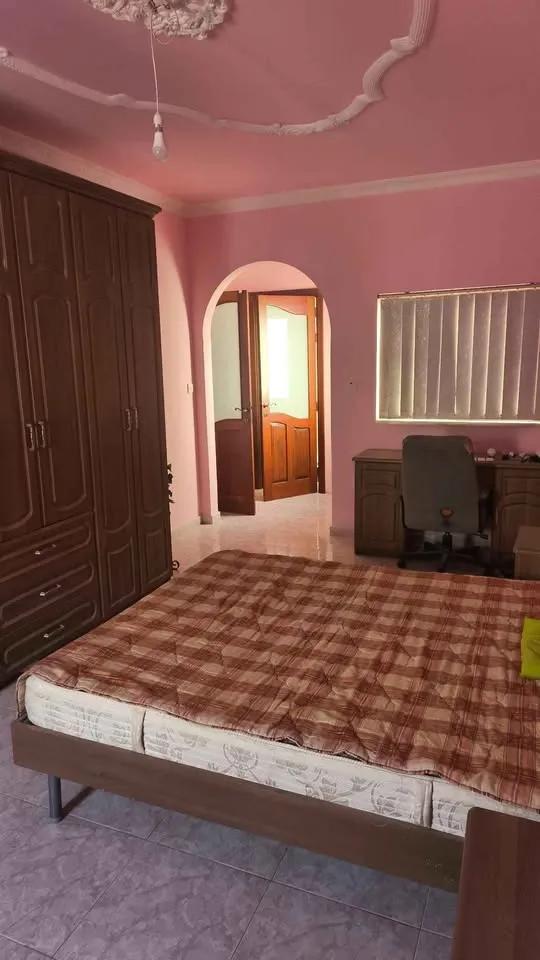
Qormi vs Rabat
Side-by-side comparison of property prices, lifestyle, and practical info to help you choose the right area.
Summary
Living in Qormi
Qormi is Malta's bakery town — the island's traditional centre of bread-making, with family-run bakeries that have produced the daily hobz (Maltese bread) for generations. The town sits in a valley between Birkirkara and the southern towns, and its low-lying position has made it historically prone to flooding — a problem that recent drainage projects have begun to address. The town is substantial — one of Malta's largest — with a split identity. The old centre clusters around two parish churches (Qormi is divided into two parishes, an unusual arrangement) and a maze of traditional streets. The newer areas extend toward the harbour, including industrial zones and the Marsa sports complex. Qormi's bakeries still produce the crusty sourdough loaves that are a staple of Maltese cuisine. Property in Qormi is affordable and practical. The town's central valley location puts it within 15 minutes of both Valletta and the southern coast, and prices are well below the coastal strip. The town has full amenities — schools, shops, a hospital outpatient clinic, and Malta's only horse-racing track at Marsa.
Highlights
- Malta's bread-making capital — family bakeries spanning generations
- Two parish churches — unusual dual-parish arrangement
- Central valley location with good connectivity
- Affordable property with full amenities
- Marsa horse-racing track nearby
Living in Rabat
Rabat is Mdina's neighbour — where the Silent City's walls end, Rabat begins. But where Mdina is a museum piece, Rabat is a living town. The name means 'suburb' in Arabic, a reference to its origins as the residential quarter outside the old capital's walls. Today it's one of Malta's most characterful towns, with a mix of historic architecture, traditional village life, and a growing food scene that draws Maltese from across the island. The town is built on top of a network of catacombs — underground burial chambers dating back to Roman times. St. Paul's Catacombs, where the apostle is said to have sheltered after his shipwreck on Malta, are the most famous, but there are several sites open to visitors. Above ground, Rabat's narrow streets hide grand palazzos, wayside chapels, and the Domus Romana, a reconstructed Roman townhouse with some of the finest mosaics in the Mediterranean. Rabat offers a different pace of life from the coastal towns. Property is more affordable, streets are quieter, and there's a genuine village atmosphere that's disappearing from much of Malta. The trade-off is distance — Rabat sits inland, and reaching Sliema or Valletta takes 25–30 minutes by car. For some, that distance is exactly the point.
Highlights
- St. Paul's Catacombs — underground Roman burial chambers
- Adjacent to Mdina's city walls
- Growing restaurant and cafe scene
- More affordable property than coastal Malta
- Authentic Maltese village atmosphere
Lifestyle Comparison
Which Area Is Right For You?
Choose Qormi
Qormi comes out ahead in transport .
Choose Rabat
Rabat comes out ahead in safety .
Frequently Asked Questions
Available Properties
Qormi (3 listings)
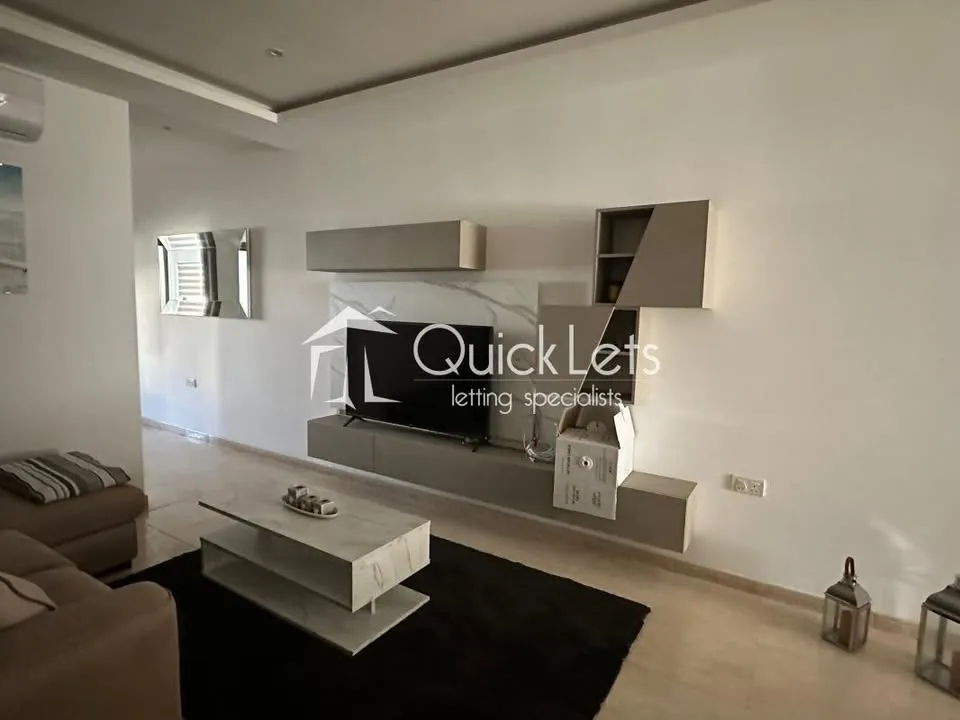
QORMI | SPACIOUS APARTMENT
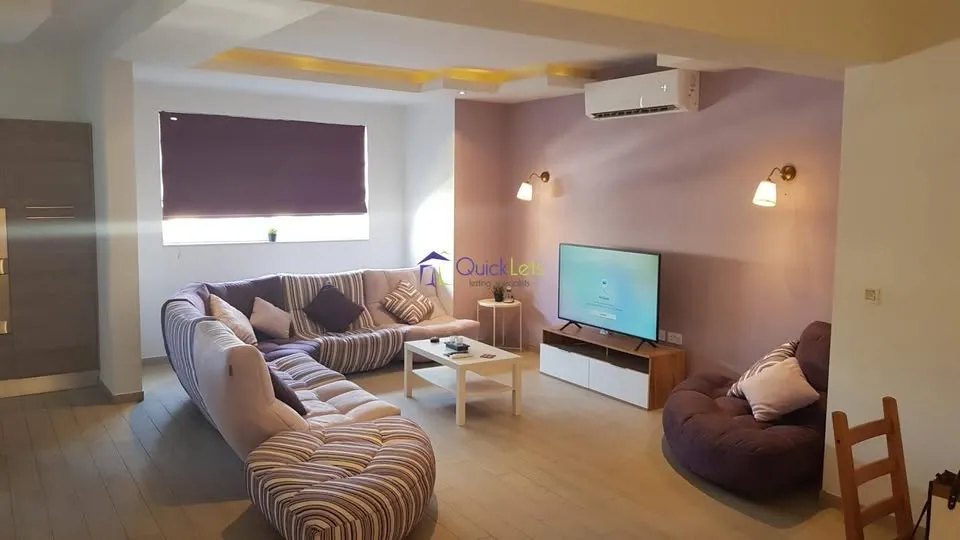
Spacious 3-Bedroom Duplex Maisonette in Qormi
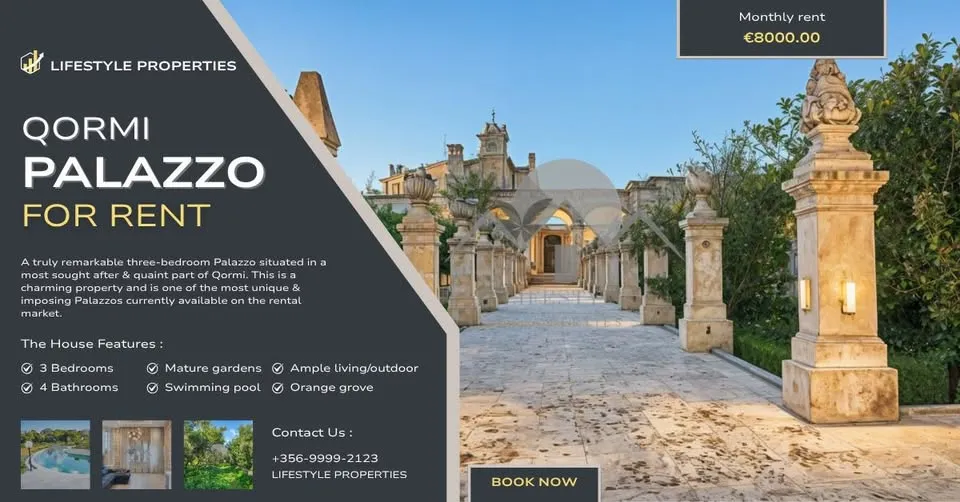
Stunning Palazzo in Qormi with Pool and Gardens
Rabat (9 listings)
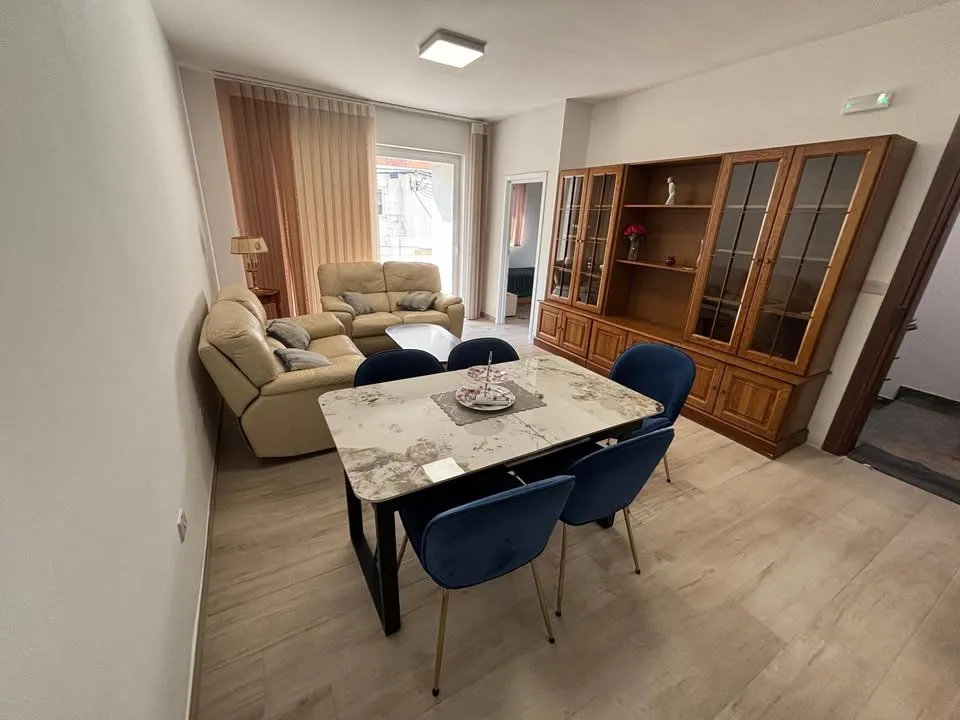
Brand new Property in RABAT
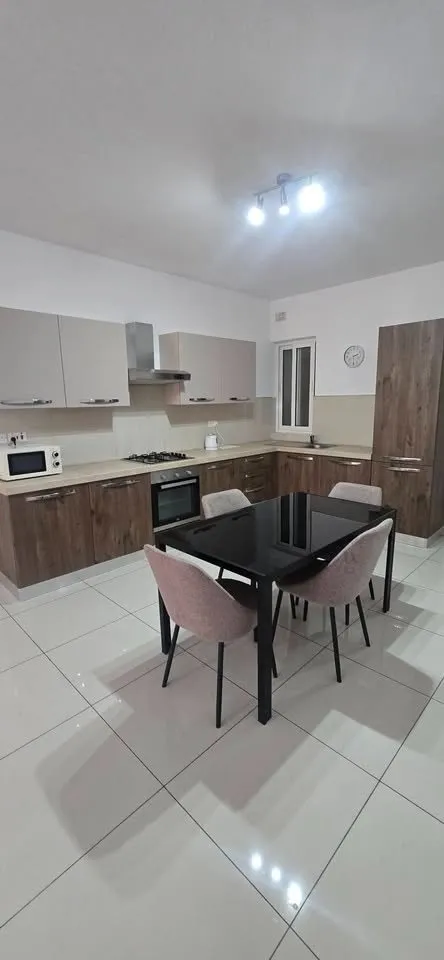
Bahrija Modern Apartment : Bargain!
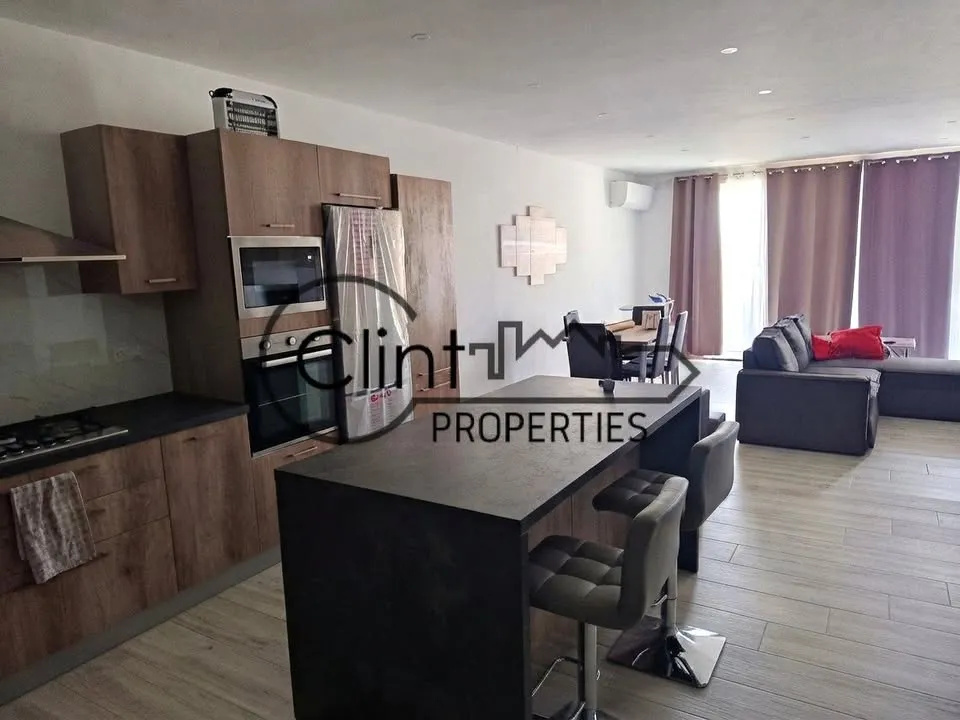
Three Bedroom Apartment in Rabat (Bahrija Area) for Rent