Qrendi vs Zejtun
Side-by-side comparison of property prices, lifestyle, and practical info to help you choose the right area.
Summary
Żejtun's three direct bus routes to Valletta (Routes 81, 82, 85) deliver noticeably better connectivity than Qrendi's single Route 82 service, where a car is essential for daily life. Qrendi's population of 3,000 keeps village life undisturbed and quiet, with a nightlife rating of just 2/10. Żejtun accommodates 11,800 residents across a larger urban footprint, rating 3/10 for nightlife but providing more day-to-day convenience without leaving town. Qrendi delivers dramatic sea views and Blue Grotto access nearby; Żejtun offers practical residential comfort with authentic community traditions and less tourist disruption.
Living in Qrendi
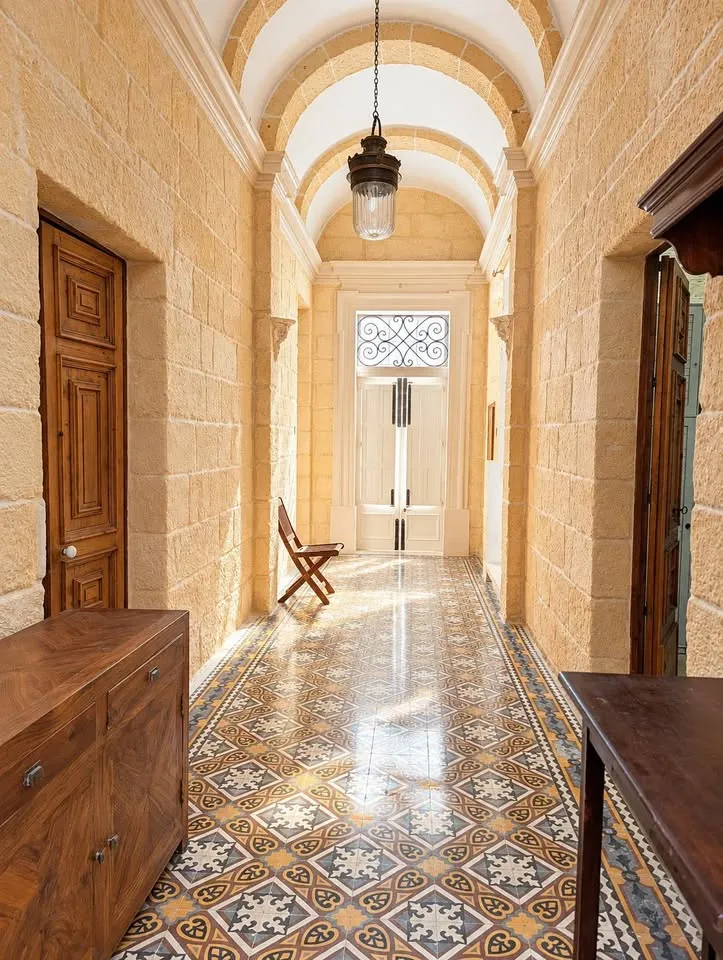
Qrendi is a small village in Malta's southwest corner, perched on a plateau between the Blue Grotto and Mnajdra — home to the two most spectacular megalithic temples on the island. The village itself is tiny and unassuming, but its surroundings are extraordinary: the Mnajdra and Hagar Qim temple complexes sit on a cliff-top overlooking the sea, and the walking trails between Qrendi and the coast pass through some of Malta's wildest remaining countryside. The village centre is a single square with a baroque church, a band club, and a few shops — the essence of a Maltese village. Property here is among the most affordable in Malta, and the housing stock includes traditional townhouses that retain original features. Qrendi is quiet to the point of sleepy, which is either its main appeal or its main limitation depending on what you're looking for. Qrendi suits buyers who value countryside, quiet, and proximity to archaeological sites above convenience and nightlife. The nearest supermarket of any size is in Zurrieq, and commuting to Valletta takes 30 minutes. But you can walk to 5,000-year-old temples and swim at Wied iz-Zurrieq within 15 minutes.
Highlights
- Mnajdra and Hagar Qim temples — Malta's finest megalithic sites
- Wild coastal walking trails
- Most affordable property in western Malta
- Proximity to Blue Grotto
- Authentic, undisturbed village life
Living in Zejtun
Zejtun is a substantial southern town that takes its name from the Maltese word for olive oil — zejt — a reminder that this area was once covered in olive groves supplying oil across the Mediterranean. The town is one of Malta's largest and has a distinctly southern identity, with strong festa traditions, a sprawling residential area, and a historic core that's among the best-preserved in the south. The old centre clusters around the impressive parish church of St. Catherine, a baroque building with one of the finest church facades in Malta. The surrounding streets contain substantial townhouses with enclosed courtyards, some dating back to the Knights' period. The village of Birzebbuga, Hal Far industrial estate, and the Freeport all sit within Zejtun's broader boundaries. Property in Zejtun is very affordable — among the lowest prices in urbanised Malta. The town has all essential amenities and good road connections, but public transport to Valletta takes 25–30 minutes and the tourist appeal is minimal. It's a practical choice for local buyers and budget-conscious investors.
Highlights
- Named after centuries of olive oil production
- One of Malta's finest baroque church facades
- Among the most affordable property in urban Malta
- Strong festa and community traditions
- Good road connections to the south and harbour area
Lifestyle Comparison
Which Area Is Right For You?
Choose Qrendi
Qrendi comes out ahead in safety, beaches .
Choose Zejtun
Zejtun comes out ahead in dining, family, nightlife, transport .
Frequently Asked Questions
Available Properties
Qrendi (1 listings)
View all Qrendi properties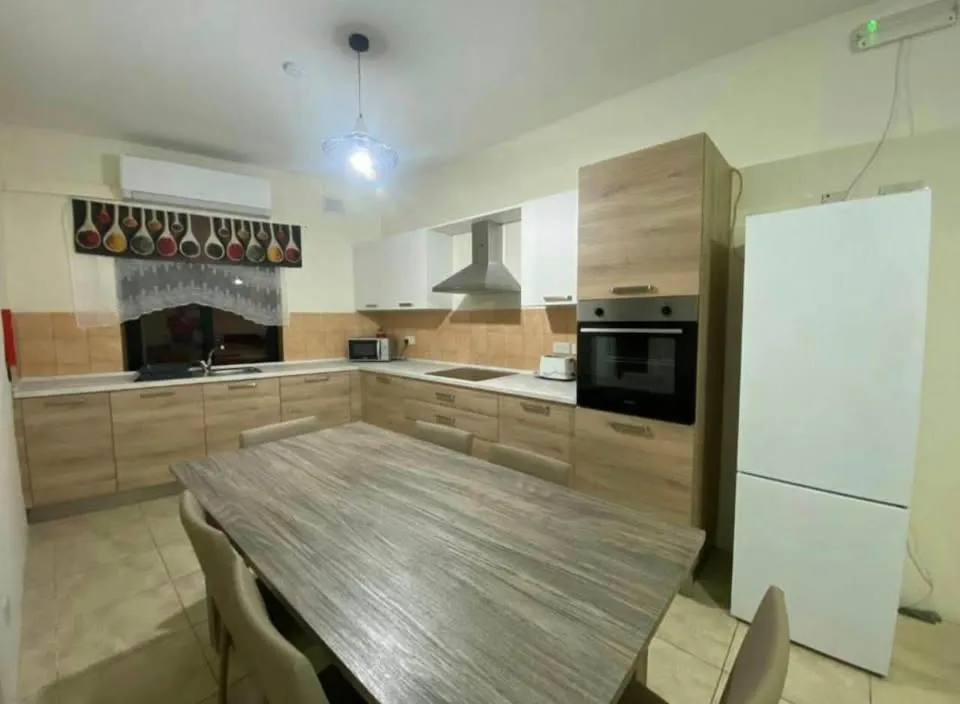
Zejtun (4 listings)
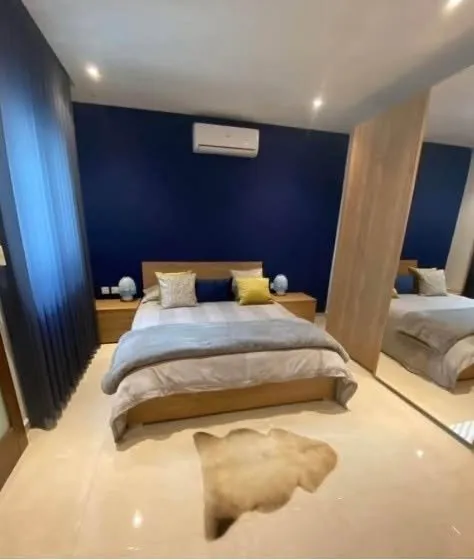
Zejtun Modern Apartment
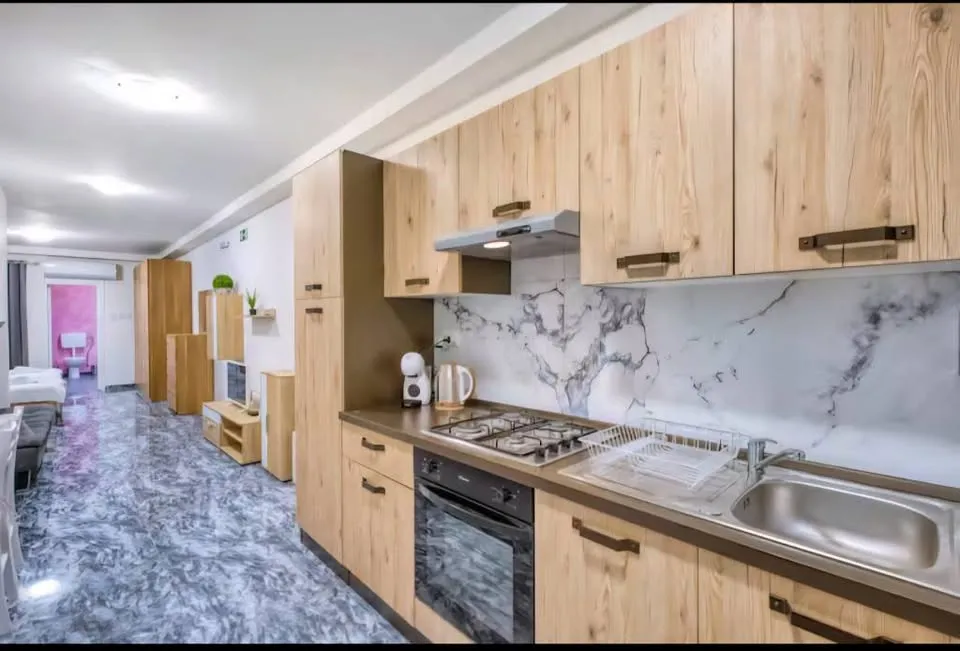
Fully Renovated Apartment in Żejtun
ZEJTUN HOUSE FOR RENT