Zabbar vs Zurrieq
Side-by-side comparison of property prices, lifestyle, and practical info to help you choose the right area.
Summary
Traditional residential town with deep festa culture
Traditional southern town near dramatic coast
Living in Zabbar
Zabbar is one of Malta's largest inland towns — a sprawling residential community southeast of the Grand Harbour area with a strong working-class identity and a devotion to its patron saint that borders on the legendary. The town was granted the title Città Hompesch by Grand Master Ferdinand von Hompesch in 1797, just before Napoleon expelled the Knights in 1798. The town centre is built around a large parish church dedicated to Our Lady of Graces, which holds a remarkable collection of ex-voto paintings — offerings from sailors and soldiers who survived shipwrecks and battles, each depicting the incident that nearly killed them. The collection is one of the largest of its kind in the Mediterranean and worth a visit regardless of religious inclination. Zabbar is a practical, affordable base. Property prices are among the lowest in the urbanised part of Malta, and the town has all daily amenities — schools, shops, medical services. It's not a destination town — tourists rarely visit — but for residents it offers authentic Maltese life without the premium of coastal locations. The drive to Valletta takes about 15 minutes, and Marsaskala's beaches are ten minutes south.
Highlights
- One of Malta's largest towns by population
- Extraordinary collection of ex-voto paintings in the parish church
- Among the most affordable property in urban Malta
- Strong community and traditional Maltese life
- 10 minutes from Marsaskala beaches
Living in Zurrieq
Zurrieq is one of Malta's oldest and largest southern towns — a substantial community spread across the rolling hills above the Blue Grotto, the famous sea cave complex that draws thousands of visitors annually. The name means 'stream' in Arabic, a reference to the watercourses that once made this area fertile agricultural land. The town has a character that's distinct from both the coastal strip and the central villages. Zurrieq is large enough to feel like a proper town — with multiple churches, a commercial area, and distinct neighbourhoods — but retains a southern, slightly rural atmosphere. The parish church of St. Catherine dominates the main square, and the narrow streets surrounding it contain some of the best-preserved traditional architecture in southern Malta. Zurrieq's property market offers genuine value. Prices are among the lowest in urbanised Malta, and the housing stock includes substantial townhouses with courtyards and roof terraces that would cost multiples more in central locations. The proximity to the Blue Grotto, Wied iz-Zurrieq, and the southern coastline is a lifestyle bonus.
Highlights
- Blue Grotto — Malta's famous sea cave complex
- Wied iz-Zurrieq — picturesque coastal valley
- Among the most affordable property in urban Malta
- Well-preserved traditional architecture
- Large town with full amenities
Lifestyle Comparison
Which Area Is Right For You?
Choose Zabbar
Zabbar comes out ahead in transport .
Choose Zurrieq
Zurrieq comes out ahead in dining, beaches .
Frequently Asked Questions
Available Properties
Zabbar (2 listings)
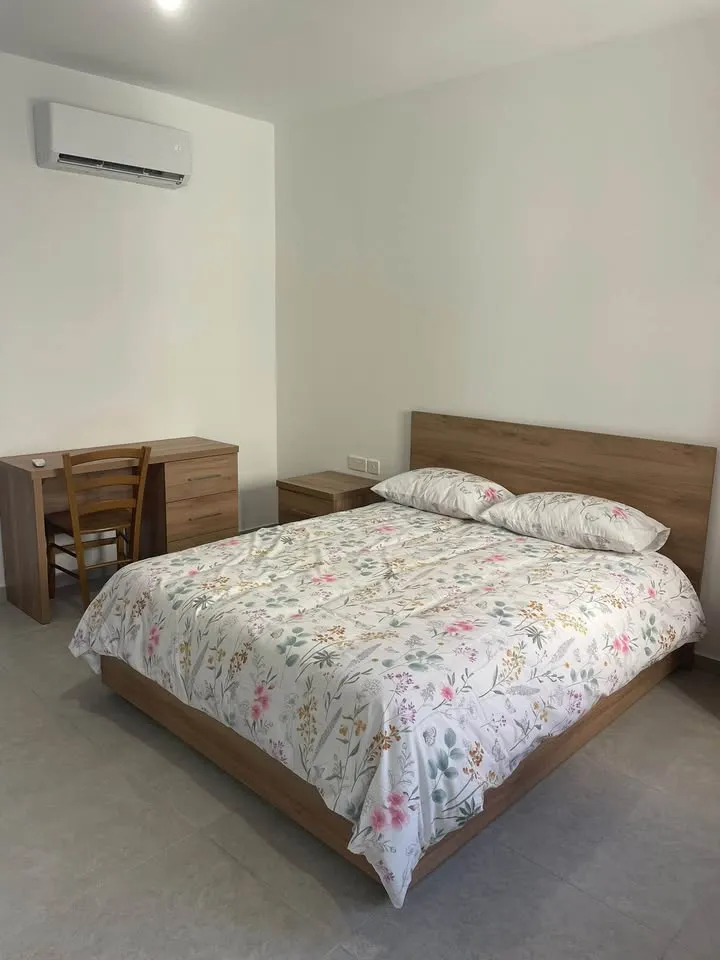
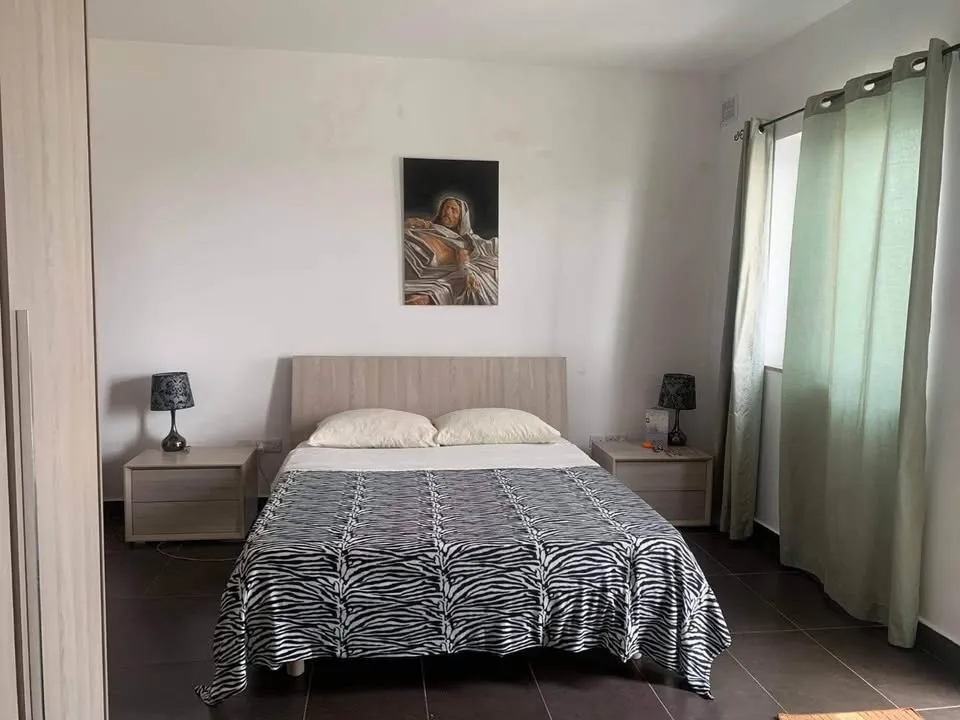
1-Bedroom Apartment – Zabbar
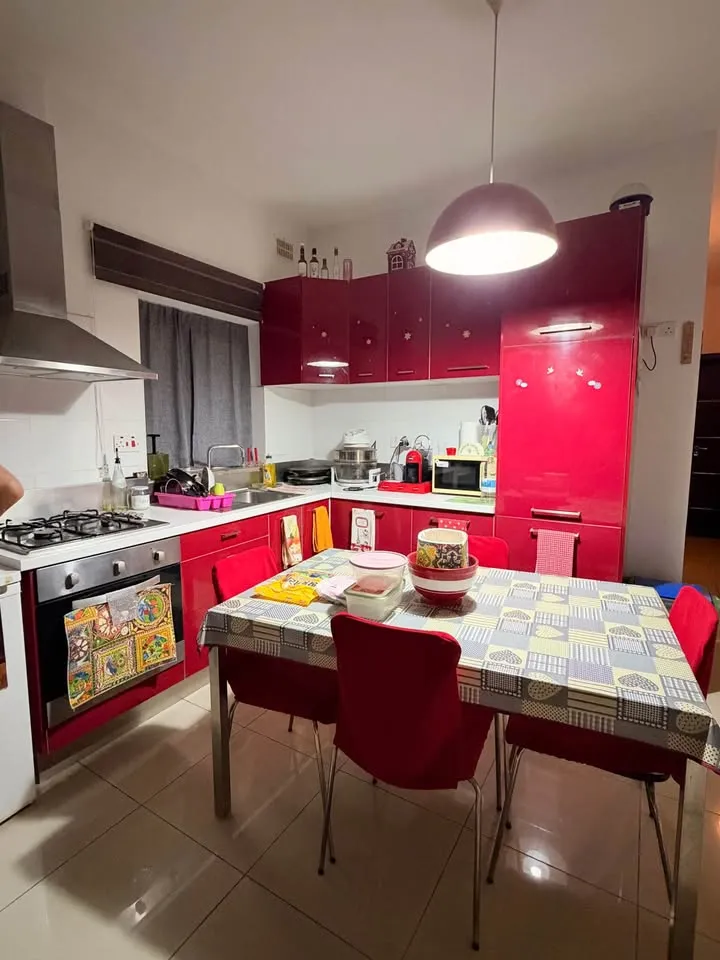
2 Bedroom Apartment in Żabbar
Zurrieq (4 listings)
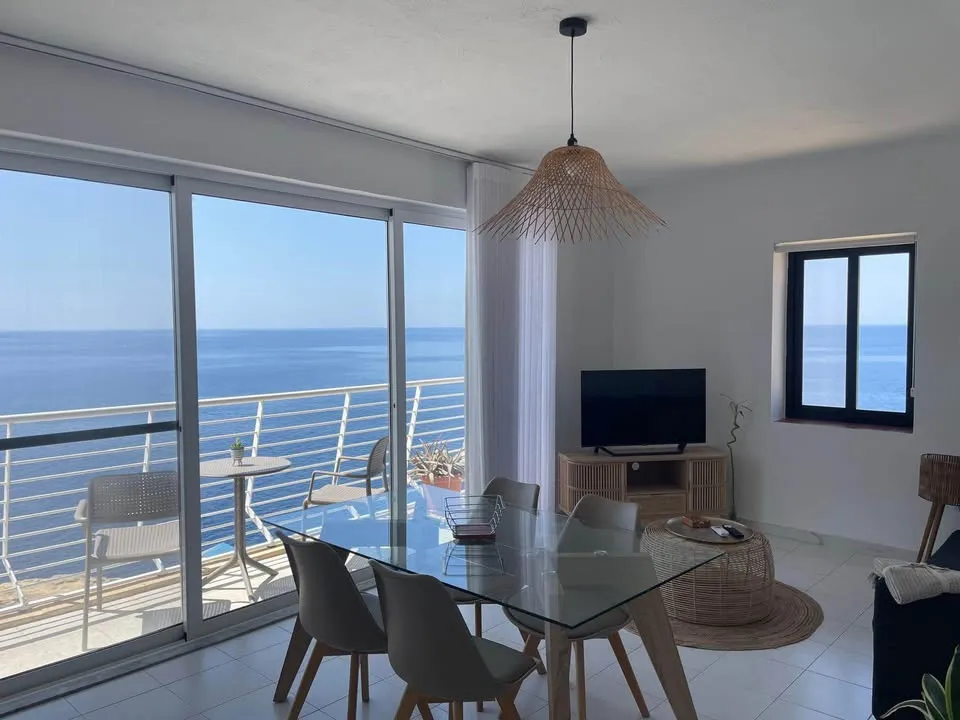
Zurrieq - Seafront 2 Bedroom Apartment
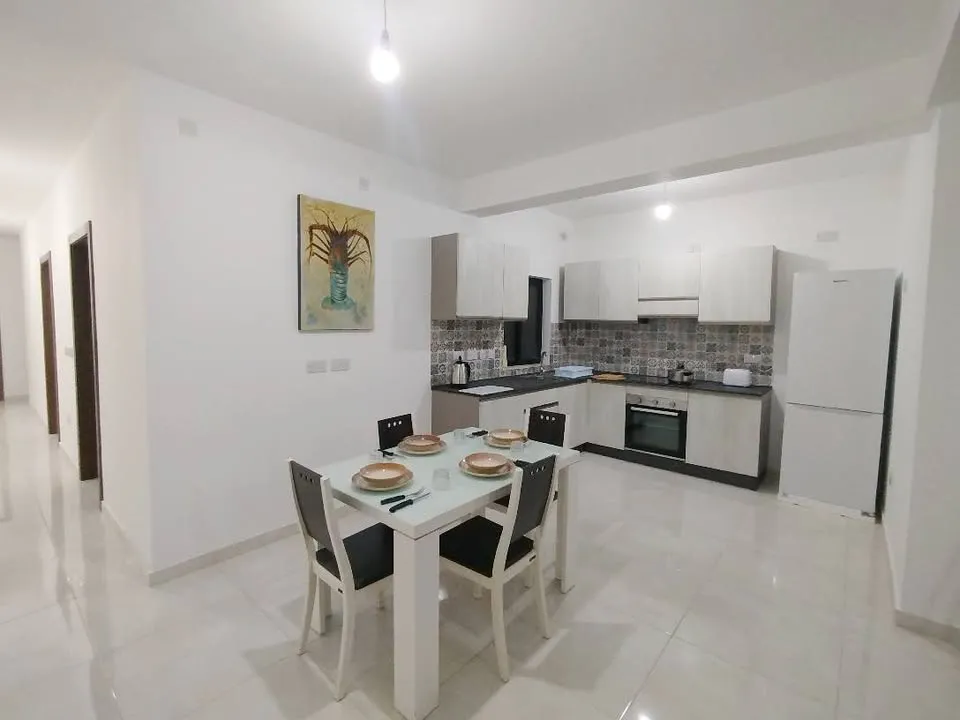
Room with Air-conditioning in shared brand new apartment at Zurrieq
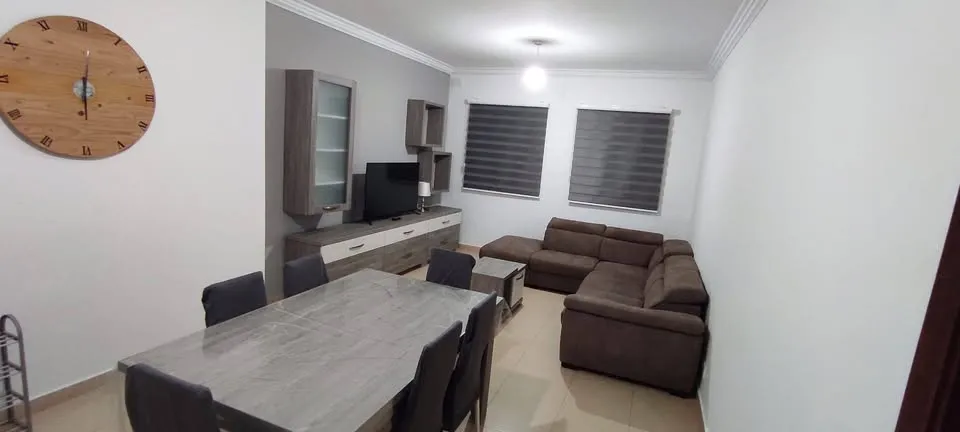
2-bedroom apartment in Żurrieq